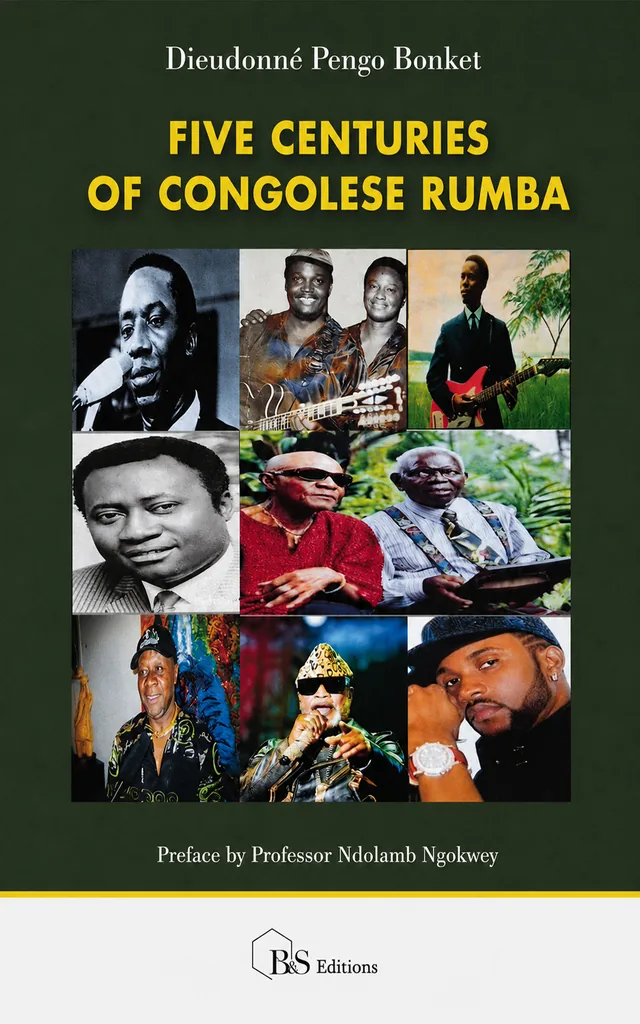
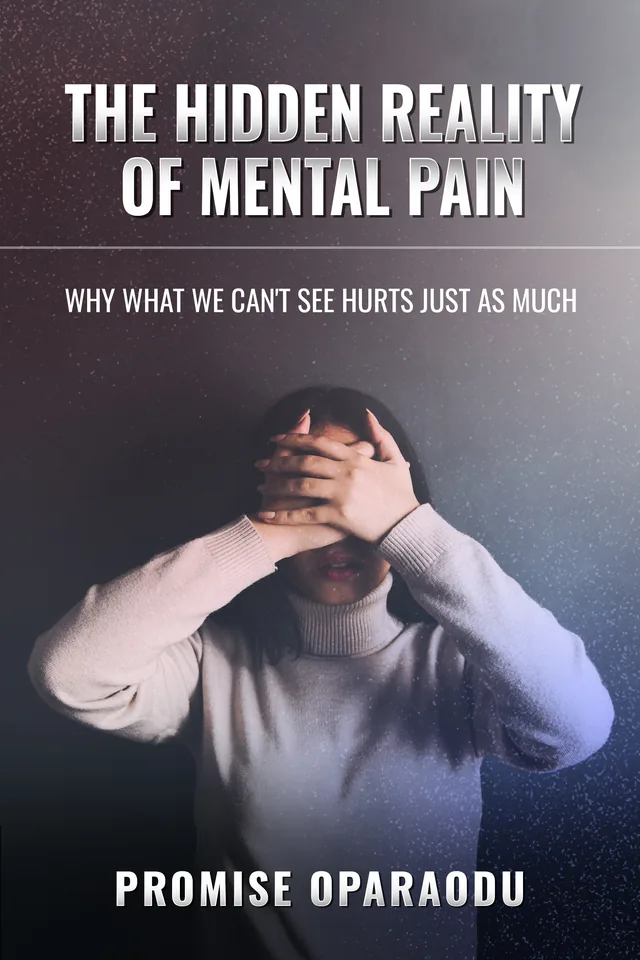
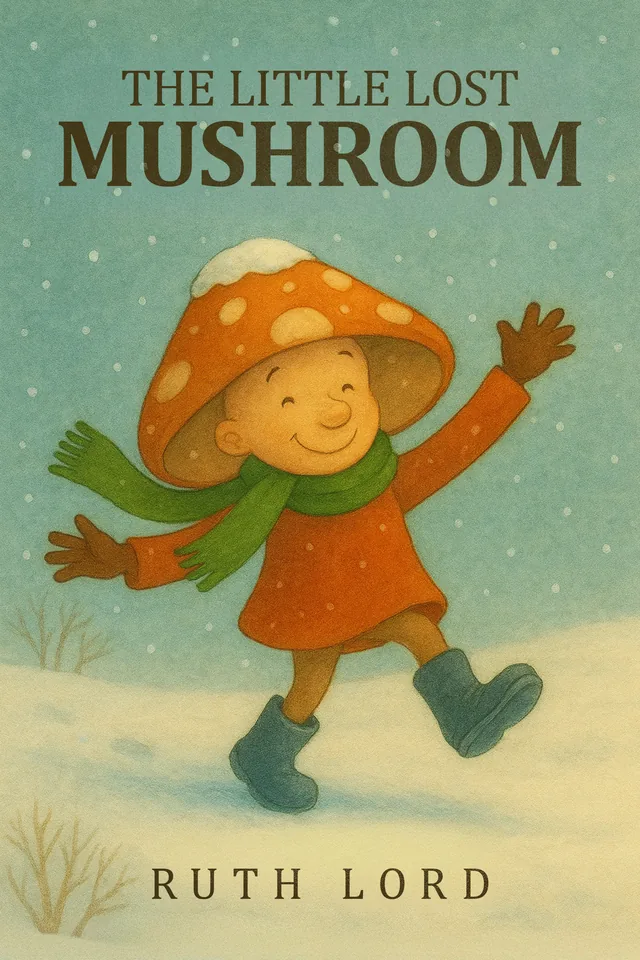
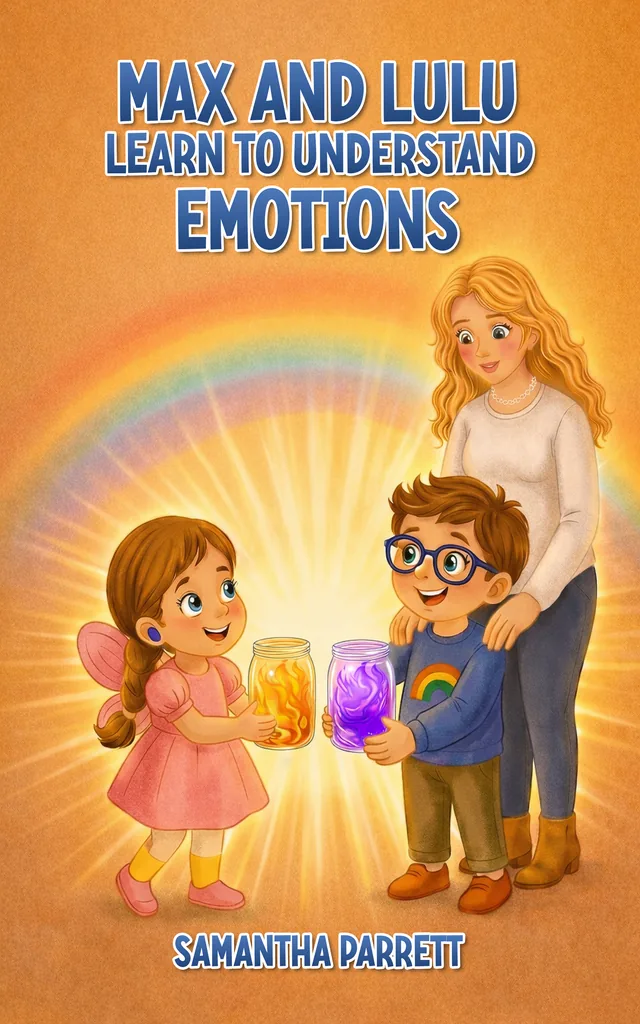
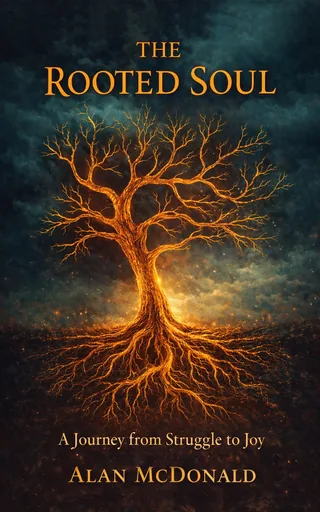
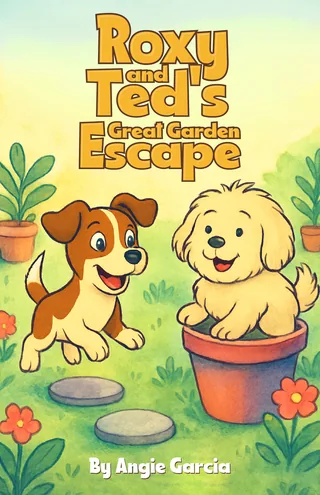
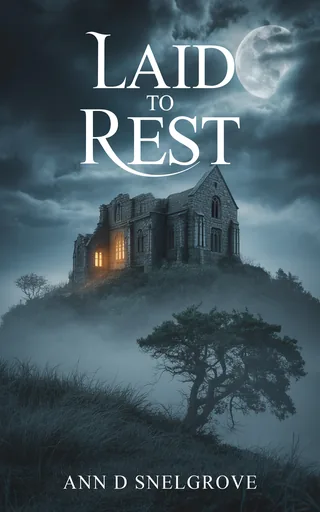
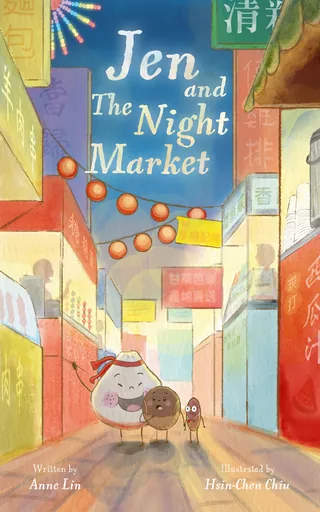
Traditional publishing takes a vanishingly small number of the manuscripts it is sent. That is not a judgement on the rest of them.
Most books that deserve to exist will never be commissioned by a house that pays advances, because the economics of an advance require an audience that can be predicted before the book is written. A memoir written for a family, a trade manual written by the person who actually knows the trade, a children's book written for one particular child — none of them fit that model, and all of them are worth making well.
How a book gets taken on
Grand is a hybrid publishing house. A traditional house pays an advance because it is betting on sales it thinks it can predict, and it therefore takes very few books. We are not making that bet, so we can take on work that would never survive that test — and we invest alongside the author rather than in place of them. What that buys is a book made to the same standard either way.
Everything after the decision runs exactly as a commissioning house runs it. A manuscript is read before anything is quoted. It is edited by a named editor, designed, typeset, registered under a publisher's imprint with proper bibliographic metadata, and distributed into the book trade rather than listed on one retailer and left there. The commercial terms for your title are set out in the written proposal, in figures, before you commit to anything.
Three questions are worth asking of any publisher, including this one. Does it read manuscripts and turn some of them down. Does the author keep the copyright. Is the book distributed into the trade so a shop or a library can order it in. Ours are answered on the rights page in the same words we would use on a call.