
The page that connects your books to each other.
A reader who finished your first book and wants the second should not have to work out that you wrote it. On most listings, they do.
Four things
that are usually empty.
Author Central costs nothing, takes an afternoon, and sits blank on the majority of independently published books. That is the whole opportunity.
- 01
A biography that is about the book
Not a CV. Two or three paragraphs on why this person is the one who wrote this, which is the question a non-fiction reader is actually asking.
- 02
A photograph
A real one. The default is a grey silhouette, and a grey silhouette beside a book is a small argument against buying it.
- 03
Every title claimed and joined
So all your books sit on one page under one name. Editions and formats get separated far more often than authors realise, and a split bibliography splits the reviews with it.
- 04
The follow button, working
Readers who press it are told when you publish again. It is the only mailing list you do not have to run, and it costs nothing.
Claimed,
written, connected.
- 01
The profile is claimed and verified
Set up under your name and your control, in the marketplaces that matter for your book rather than only the one you happened to start in.
- 02
The biography is written
By somebody who has read the book. You approve it, and it can differ in tone from the description on the back cover, because it is doing a different job.
- 03
The bibliography is repaired
Every edition claimed and merged where the retailer has split them. Fiddly, slow, and very often the thing that turns out to have been the actual problem.
- 04
It is handed to you
The logins are yours. You should be able to change your own biography without asking anybody, including us.
Why this
is worth an afternoon.
Nothing on this page will get a stranger to your book. Author Central works on the reader you already have — the one who reached the last page and is deciding whether you are a writer they follow or a book they finished.
That reader is the cheapest one you will ever get, and almost every independently published book loses them at exactly this point, because there is nowhere for them to go.
The split bibliography
Editions are linked by metadata, and metadata goes wrong. A paperback and an eBook of the same book routinely end up as two unconnected products with the reviews divided between them, which halves the social proof on both. It is invisible from the author's side and obvious from the reader's. Repairing it is unglamorous, and it is often the highest-value hour anybody spends on a listing.
What it is not
It is not marketing. It does not create demand, it collects it. Which is precisely why it belongs before the advertising rather than after.

Listings we
look after.
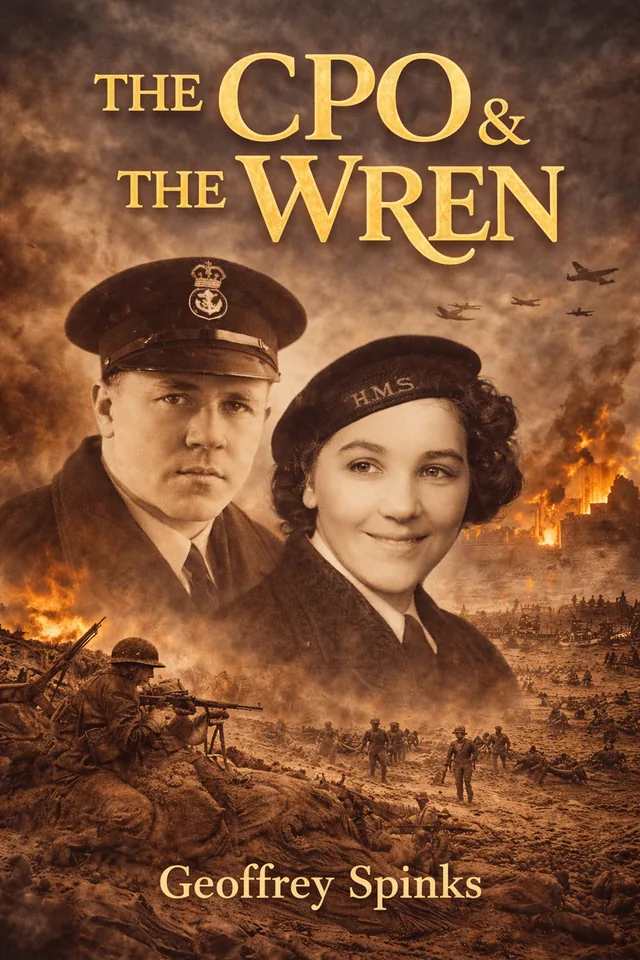
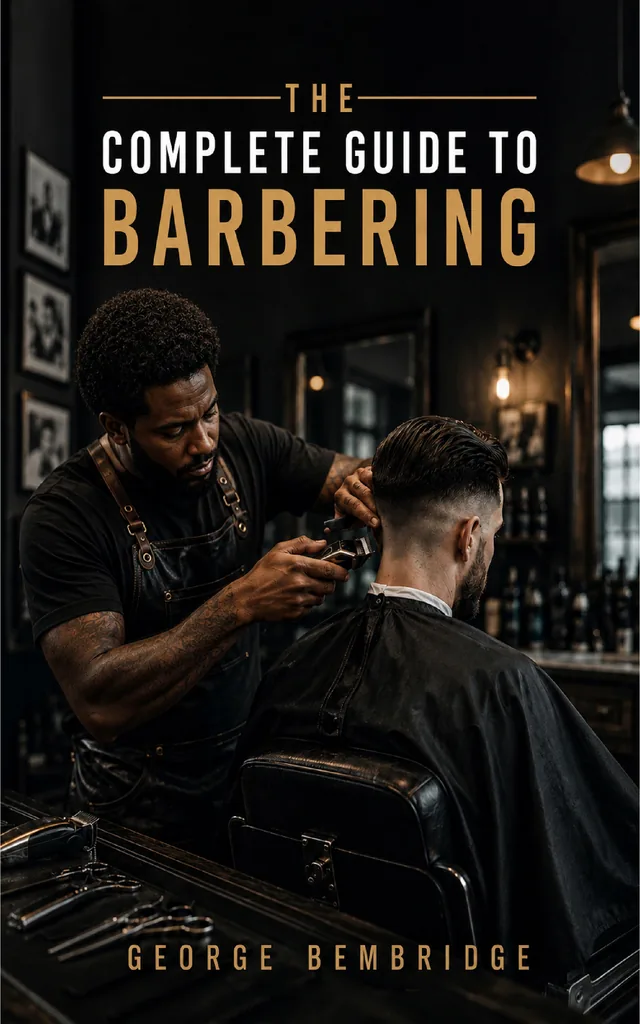
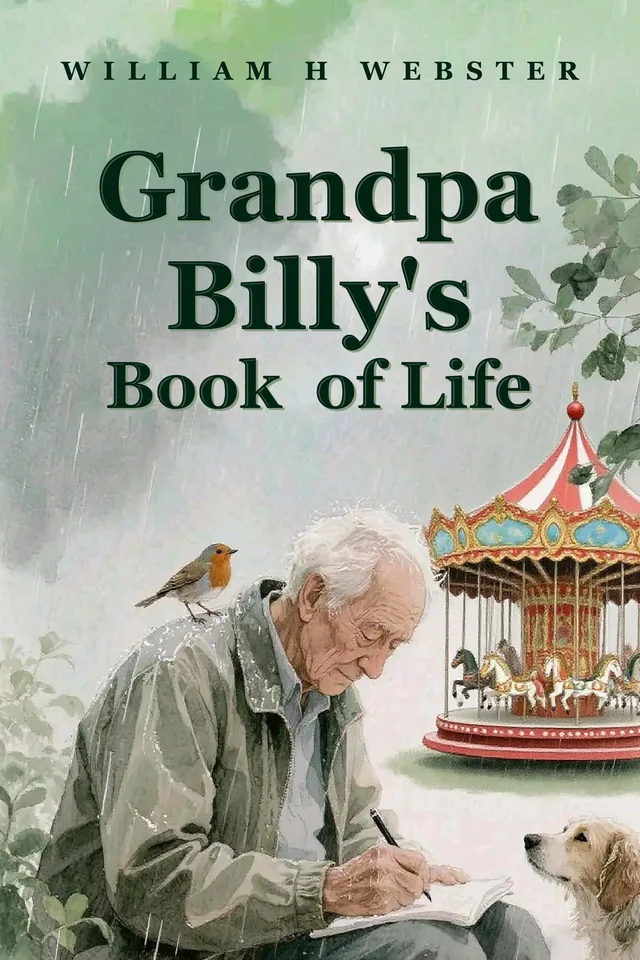
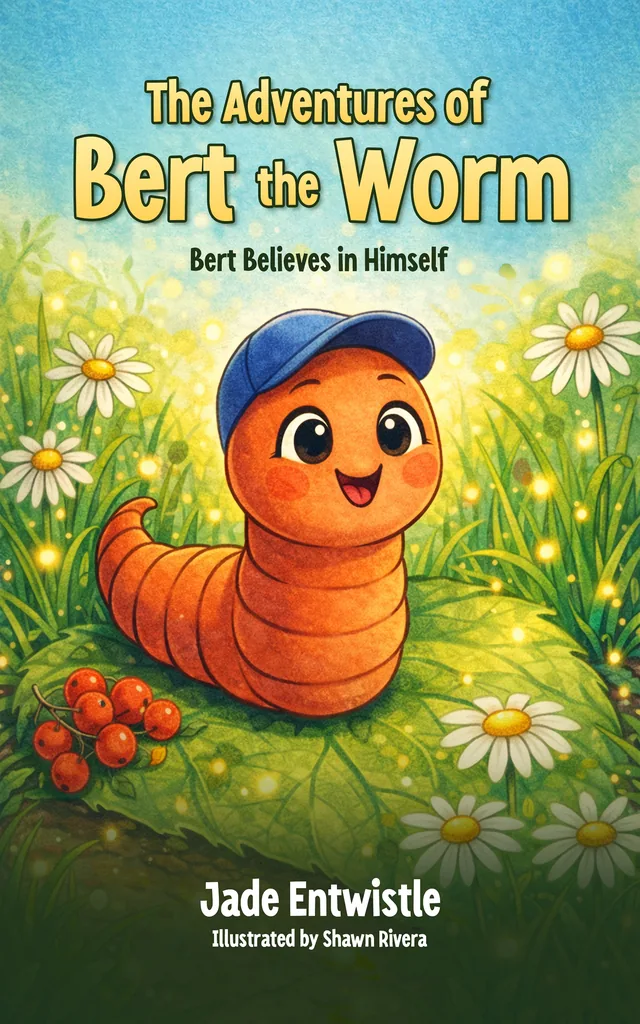
All of them are on sale right now. Open a cover to read the description, then follow it through to the retailer and look at the author page it belongs to.
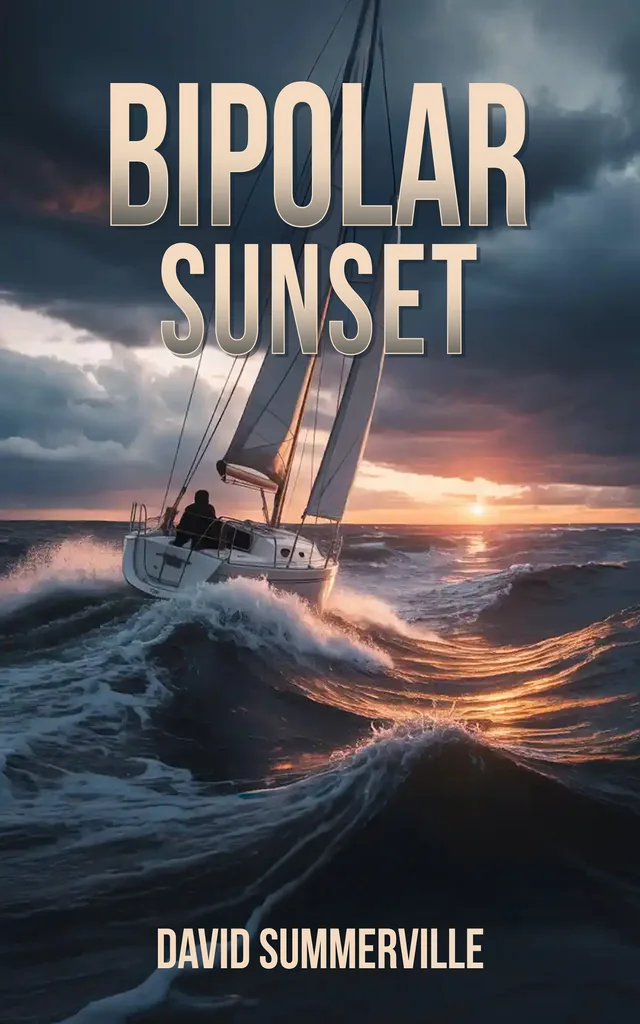
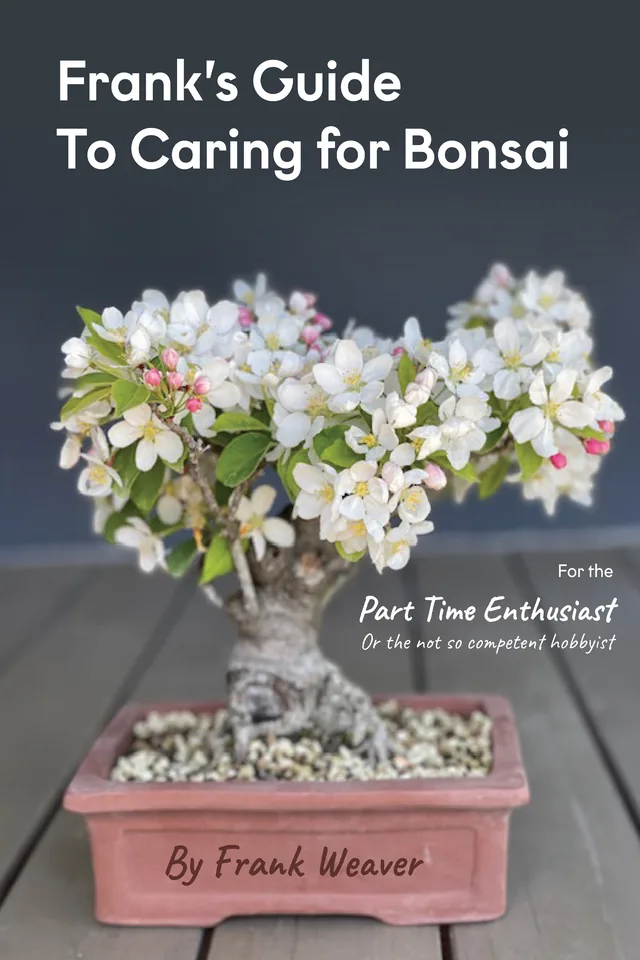
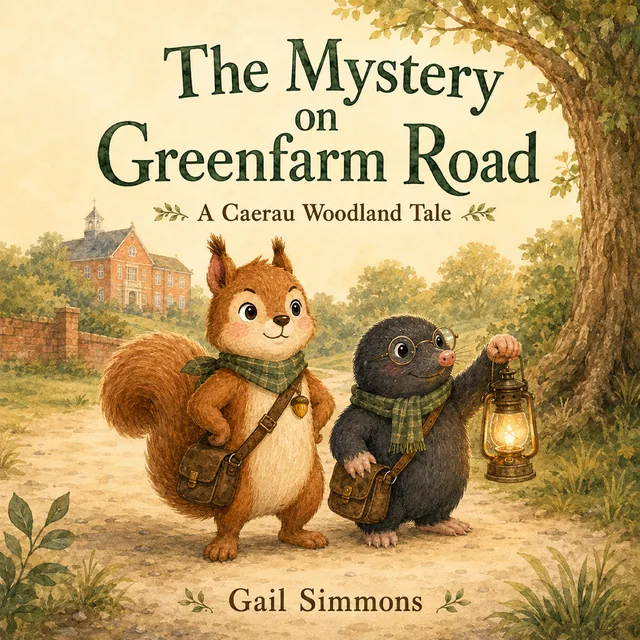

Bipolar SunsetDavid Summerville
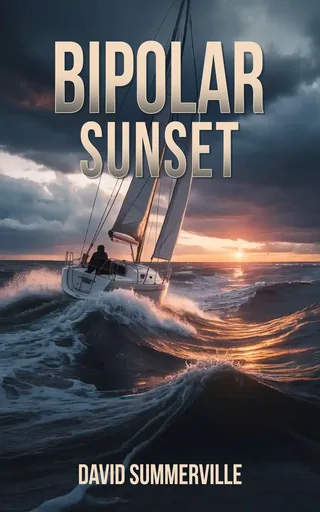 Bipolar SunsetDavid Summerville
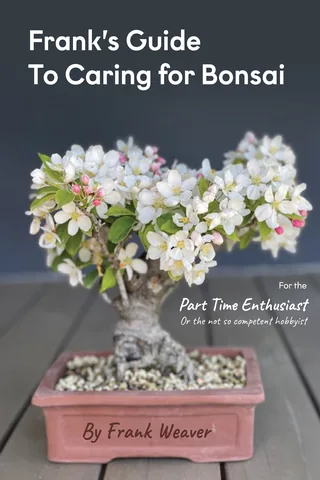 Frank's Guide to Caring for BonsaiFrank Weaver
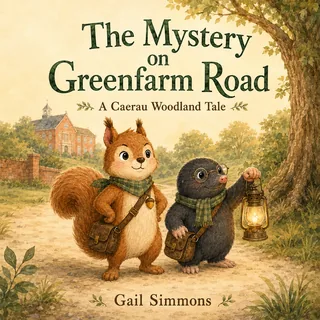 The Mystery on Greenfarm RoadGail Simmons
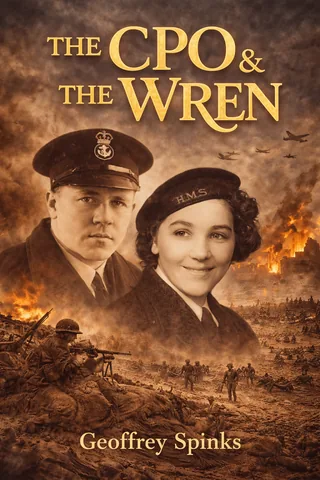 The CPO & The WrenGeoffrey Spinks
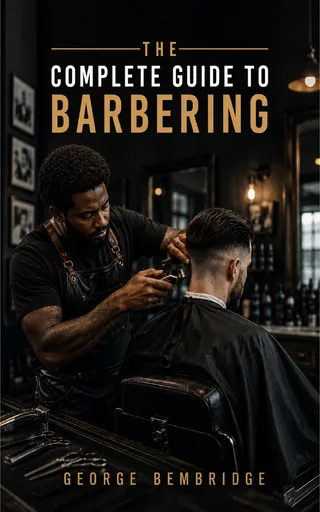 The Complete Guide to BarberingGeorge Bembridge
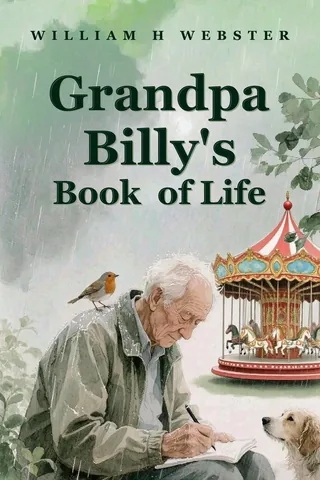 Grandpa Billy's Book of LifeWilliam H Webster
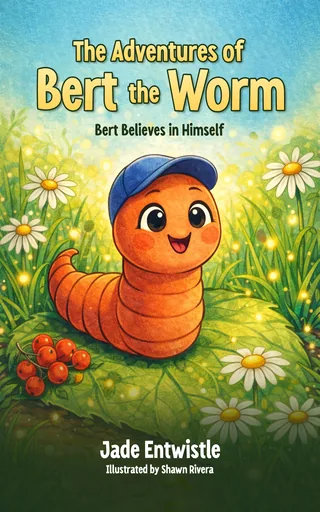 The Adventures of Bert the WormJade Entwistle
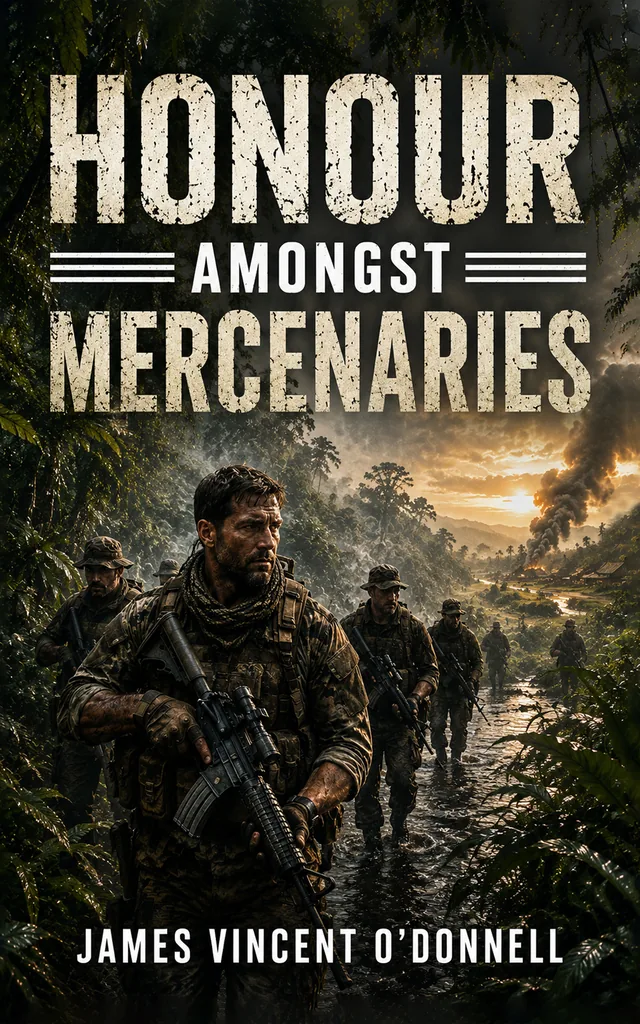
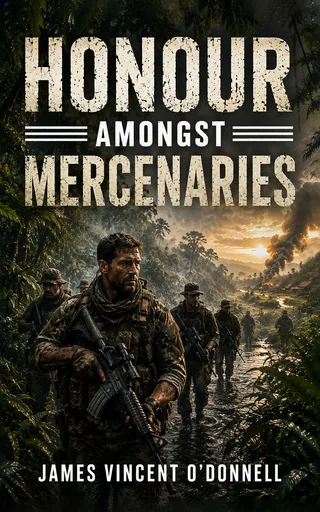 Honour Amongst MercenariesJames Vincent O'Donnell
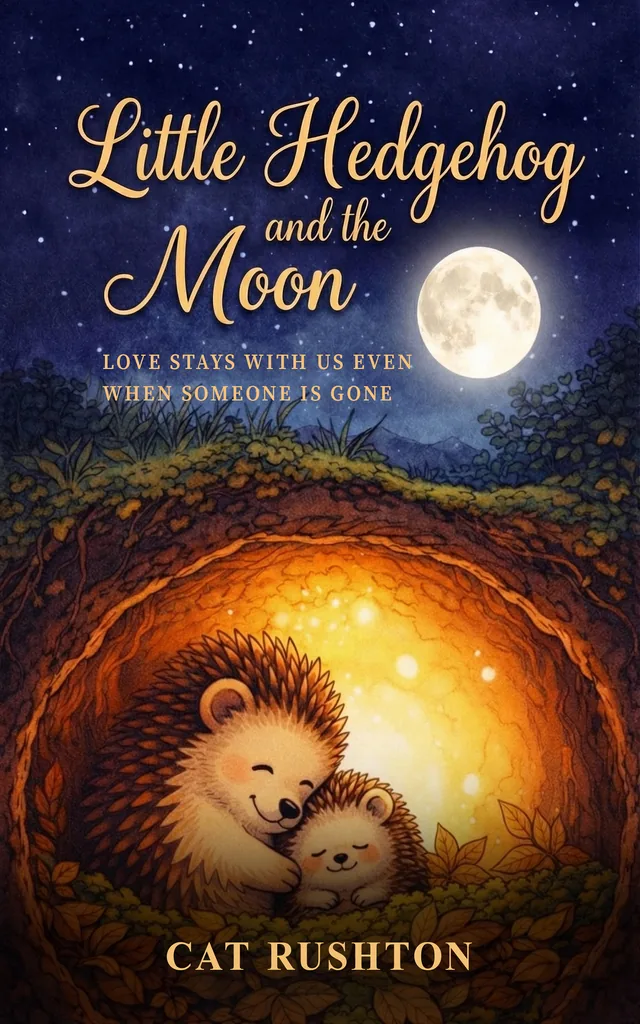
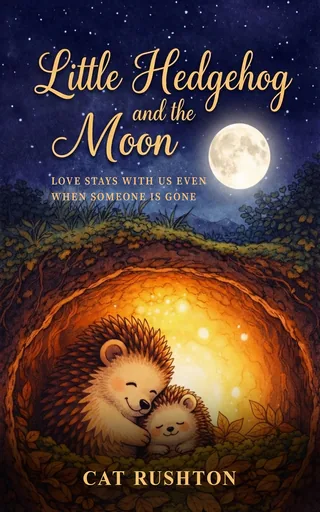 Little Hedgehog and the MoonCat Rushton
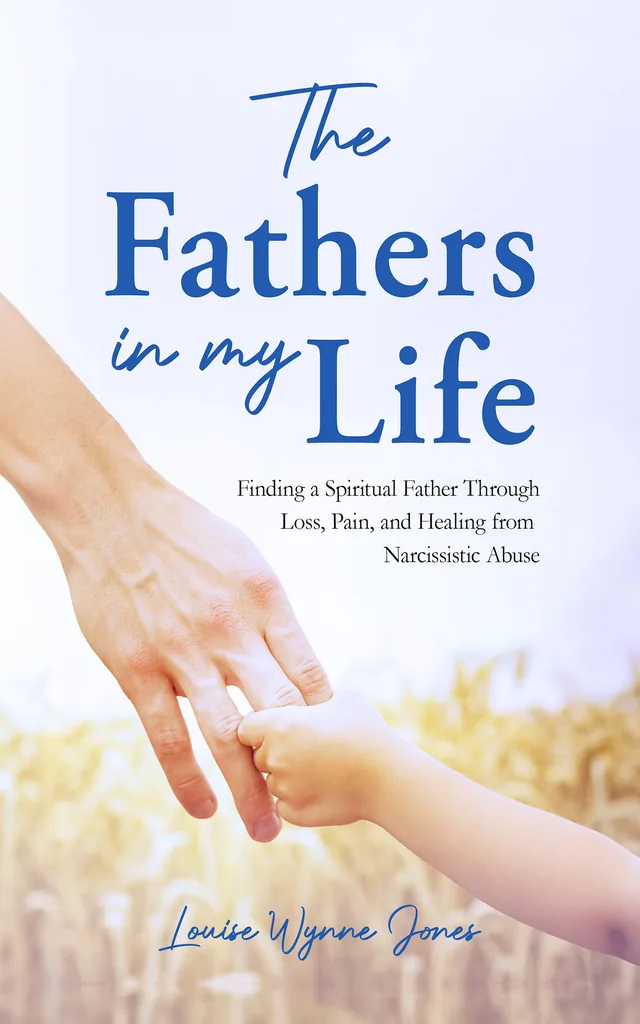
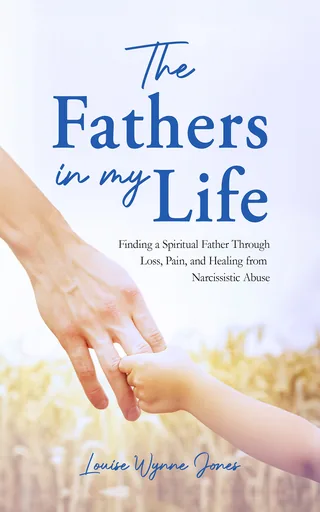 The Fathers in my LifeLouise Wynne Jones
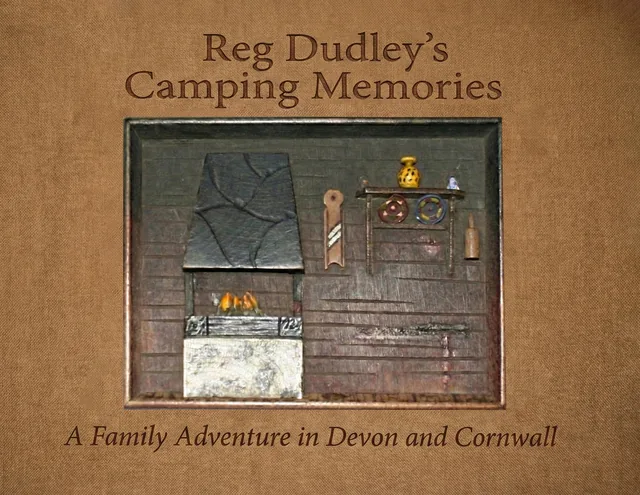
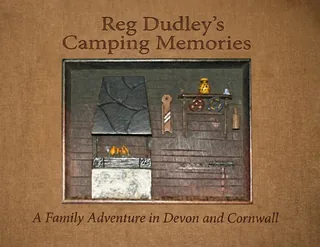 Reg Dudley's Camping Memories
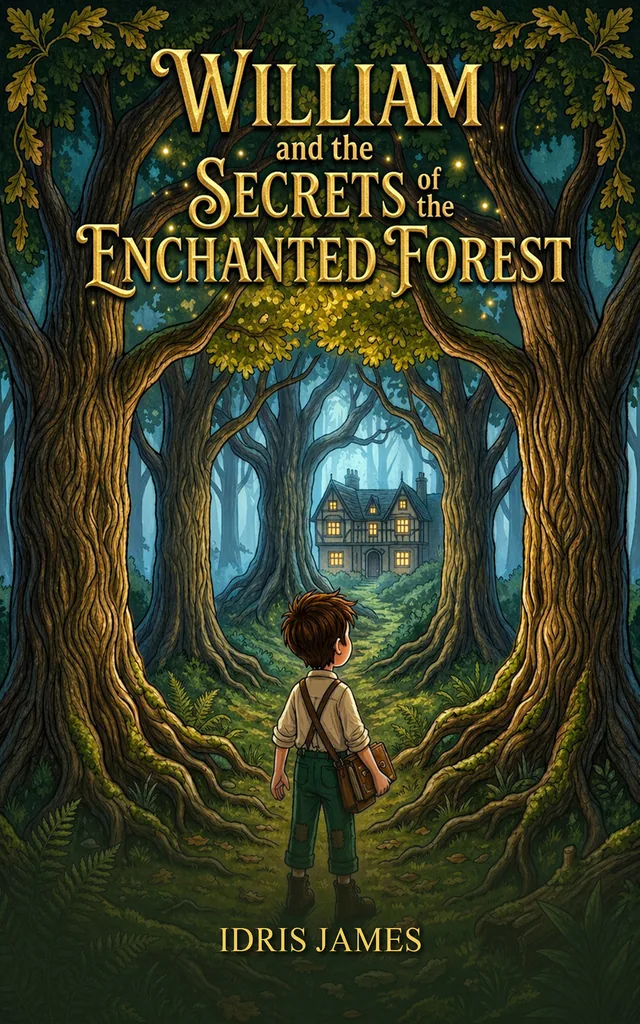
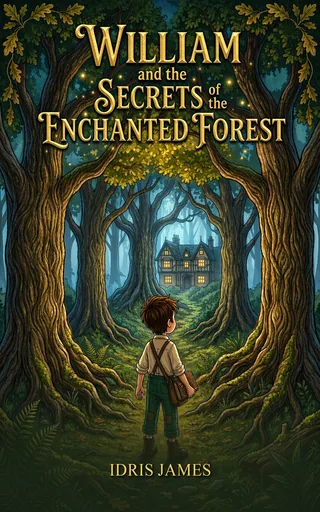 William and the Secrets of the Enchanted ForestIdris James
What our authors say
On platforms we do not own and cannot edit.
- Grand Publishers especially David Alonsa were brilliant
Grand Publishers especially David Alonsa extremely helpful and talked me through everything. He was also very patient with me.l would certainly recommend you all and have already done so
Gail Simmons - Book publishing and promotion
Jason and David and the team have worked hard to get my second book into the public eye, and have made some really good social media pictures and promotions. "The CPO & The Wren" is now selling on both sides of the Atlantic. Geoffrey Spinks
Mr Geoff Spinks - I can't tell you how amazing it has…
I can't tell you how amazing it has been working with Grand Publishing. From the very beginning, the experience has been outstanding. When I first reached out, I wasn't even sure if I wanted to publish a project I had been working on for quite some time. Jerry gave me a call and patiently walked me through the entire process. He answered all of my questions and genuinely motivated me to move forward with publishing my book. I was then introduced to David Alonso, who became my project manager. He has been fantastic throughout the journey, keeping me updated every step of the way, answering any questions I had, and making the whole process smooth and stress-free. As a first-time author, I couldn't have asked for a better experience. If you're hesitant about publishing, I'd encourage you to speak with the team. If you don't come away from that conversation feeling confident, then I'll have to call myself a liar! Thank you, Grand Publishing, and especially Jerry and David, for making this such a positive and memorable experience.
Booker Odena - Outstanding Service from Grand Publishers
I had a very positive experience working with Grand Publishers. As a new author, I really needed guidance throughout the process, from editing to preparation for publication. David and Jerry, who were incredibly helpful, professional, and supportive, made a significant difference. They took the time to explain each stage clearly and did an amazing job with the marketing, illustrations, and overall development of my book. Their dedication to making the final result as strong as possible was exceptional. I would highly recommend Grand Publishers, especially David and Jerry, who were fantastic to work with.
Juliet - My book, In my happy place.
Some while ago I submitted a raw manuscript to Grand Publishers. Honestly, at first I was cautious about their enthusiasm, in fact I thought it a sales ploy. How wrong I was! The project has been managed by David Alanza, with input from Arthur J Wayne the marketing director. At every stage I have been afforded full control of the artistic direction and have now got a highly polished book that I could never have produced. I'm now in the launch phase and the marketing so far is beyond my wildest dreams. I know that there's much more to come, but wanted to highly recommend anyone with a book that they believe in to listen to and trust Grand. To verify everything I've said, please search Vernon Smith I my happy place and see for yourself.
Vernon Smith - Helpful and professional
Helpful and professional
Elikem Debrah
Author Central
questions.
The profile costs nothing. What you would be paying us for is the writing and the repair work, and if your bibliography is already clean we will tell you it is a small job.
Profiles are per marketplace. Which ones are worth doing depends on where your book actually sells, and for most UK authors that is a short list rather than all of them.
Yes, and most authors do hate it. We draft it from a conversation and you get the final say on every line.
That is the split bibliography above, and it is the most common thing we find. Send us your author page and we will tell you whether it is happening to you.
Send us your author page.
We will look at it and tell you what is missing. It takes ten minutes and it costs nothing.