

Books built aroundthe people who write them.
Most of what a publisher does happens after the writing — the edit, the cover, the print run, the shops that stock it. That part is ours. The book, the rights and the final say stay yours.
Our authors are seen on






The people
who write them.
A retired banker who drives steam locomotives. A therapist. A beagle owner from Blackburn. Every one of them finished the book.


What our authors say
when we are not in the room.
Every review below sits on a platform we do not own and cannot edit. Follow any score through and read the whole list — not the part we would have chosen.
- Grand Publishers especially David Alonsa were brilliant
Grand Publishers especially David Alonsa extremely helpful and talked me through everything. He was also very patient with me.l would certainly recommend you all and have already done so
Gail Simmons - Book publishing and promotion
Jason and David and the team have worked hard to get my second book into the public eye, and have made some really good social media pictures and promotions. "The CPO & The Wren" is now selling on both sides of the Atlantic. Geoffrey Spinks
Mr Geoff Spinks - I can't tell you how amazing it has…
I can't tell you how amazing it has been working with Grand Publishing. From the very beginning, the experience has been outstanding. When I first reached out, I wasn't even sure if I wanted to publish a project I had been working on for quite some time. Jerry gave me a call and patiently walked me through the entire process. He answered all of my questions and genuinely motivated me to move forward with publishing my book. I was then introduced to David Alonso, who became my project manager. He has been fantastic throughout the journey, keeping me updated every step of the way, answering any questions I had, and making the whole process smooth and stress-free. As a first-time author, I couldn't have asked for a better experience. If you're hesitant about publishing, I'd encourage you to speak with the team. If you don't come away from that conversation feeling confident, then I'll have to call myself a liar! Thank you, Grand Publishing, and especially Jerry and David, for making this such a positive and memorable experience.
Booker Odena - Outstanding Service from Grand Publishers
I had a very positive experience working with Grand Publishers. As a new author, I really needed guidance throughout the process, from editing to preparation for publication. David and Jerry, who were incredibly helpful, professional, and supportive, made a significant difference. They took the time to explain each stage clearly and did an amazing job with the marketing, illustrations, and overall development of my book. Their dedication to making the final result as strong as possible was exceptional. I would highly recommend Grand Publishers, especially David and Jerry, who were fantastic to work with.
Juliet - My book, In my happy place.
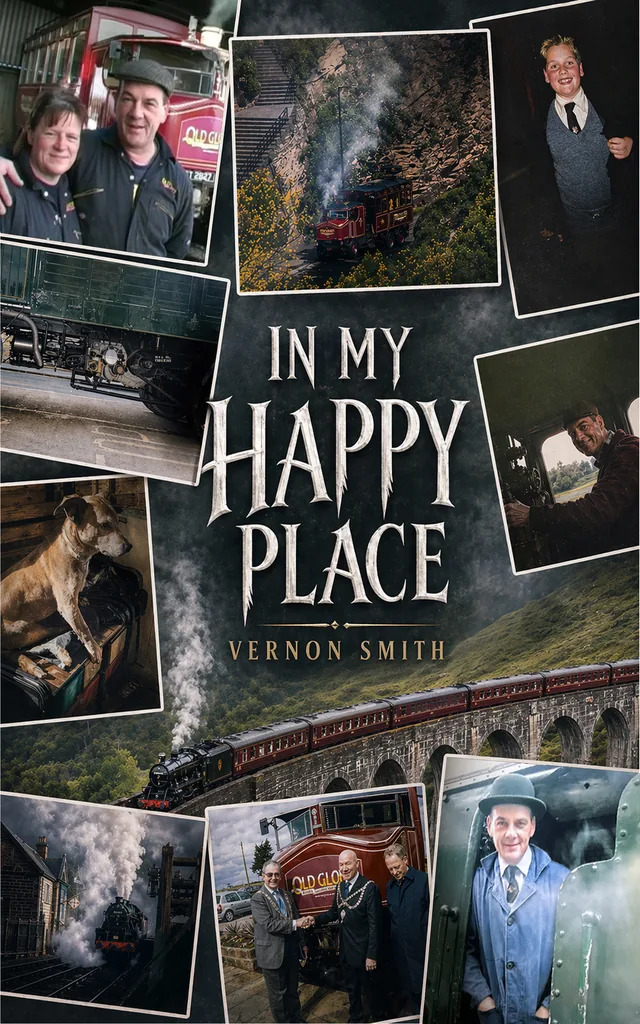
Some while ago I submitted a raw manuscript to Grand Publishers. Honestly, at first I was cautious about their enthusiasm, in fact I thought it a sales ploy. How wrong I was! The project has been managed by David Alanza, with input from Arthur J Wayne the marketing director. At every stage I have been afforded full control of the artistic direction and have now got a highly polished book that I could never have produced. I'm now in the launch phase and the marketing so far is beyond my wildest dreams. I know that there's much more to come, but wanted to highly recommend anyone with a book that they believe in to listen to and trust Grand. To verify everything I've said, please search Vernon Smith I my happy place and see for yourself.
Vernon Smith - Helpful and professional
Helpful and professional
Elikem Debrah - Understanding and supportive
I worked with Grand Publishers for my debut picture book, and overall I had a positive experience. As a first-time author, I didn't know what to expect, and the process did take longer than I initially anticipated — but what really made the difference was the support I received from David and the team throughout the journey. They were responsive and genuinely cared about the project. They also took my budget constraints seriously and gave me the flexibility to make decisions that worked for me. If you're a new author looking for a publisher, Grand Publishers is worth considering.
Anne - Grand Publishing LLC made me realise that it is not always about money, they regarded my story as a painful piece of creativity.
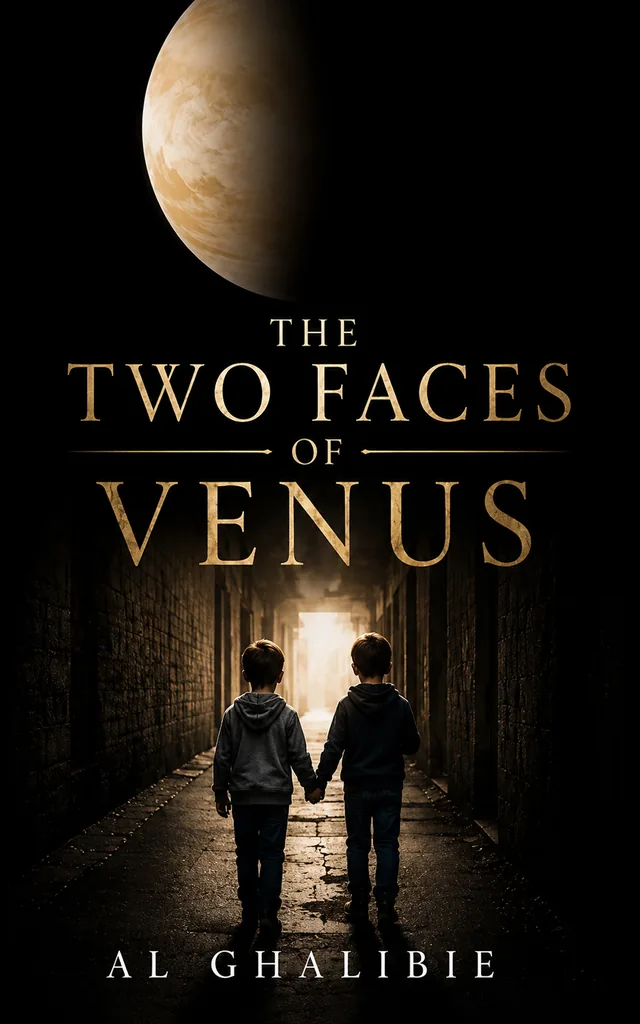
I am a 62-year-old British man and partially disabled. Four years ago, my wife left me with our two young boys, who were just five and seven at the time. It was an incredibly difficult period in my life, and writing my book, The Two Faces of Venus, became a way of telling my story and helping me move forward. When I finished the manuscript, I found it very difficult to get it published. Some publishers weren't interested, while others quoted fees that were simply far beyond what I could afford. I was beginning to lose hope until I found Grand Publishers. From my very first conversation with them, I felt that they genuinely cared about both me and my book. They offered me a publishing solution that was affordable for my circumstances, and throughout the entire process David and Jerry have been outstanding. They have been patient, professional, supportive, and always willing to answer my questions and guide me through every stage of the journey. Publishing a book can feel overwhelming, especially when it's your first time, but they made the experience enjoyable and gave me the confidence to keep going. I am genuinely grateful for everything they have done for me and for believing in my story. Based on my own experience, I would happily recommend Grand Publishers to anyone looking for a supportive and professional publishing partner.
Abdul Al-Ghalibie - Grand publishers.Great experience working with t new…
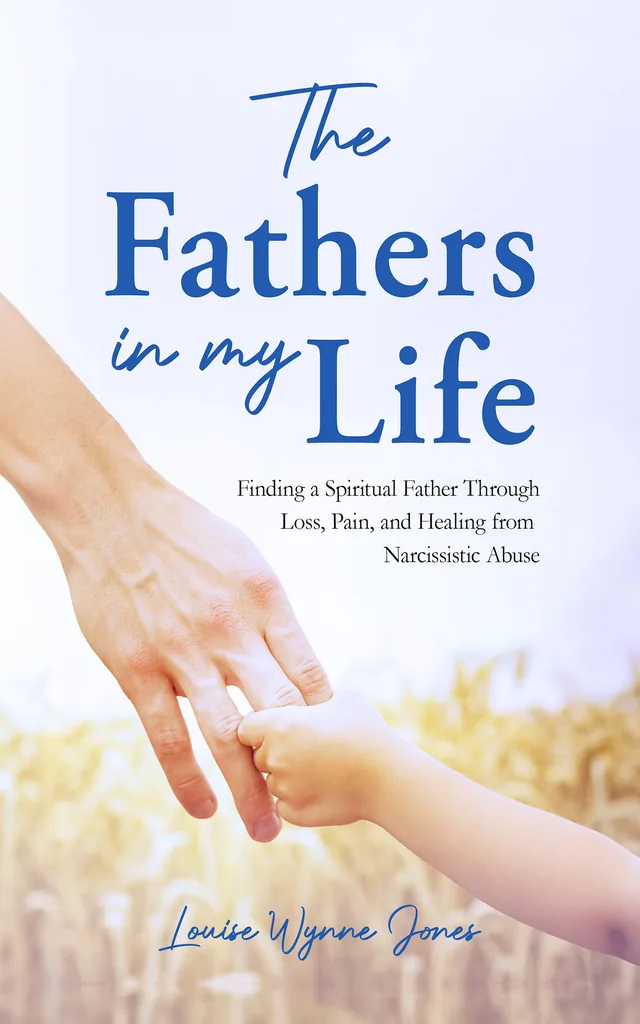
Great experience working with the new member of the team at Grand. David Alonzo has worked tirelessly to get the book launched on time for Father’s Day. Yay! My book ‘The Father’s in my Life’ was published on Amazon and other platforms right on time. I recommend Grand publishers for the quality of work they produce and the sensitive and considerate aspects of pulling together a finished work. I have a book to be proud of thanks to David’s patience and grounded approach to finalising the publication. Thank you 😊
Louise Wynne-jones - David
David was very helpful especially towards the final stages of publishing answering any questions I had. Very thorough and patient and really cares about his work. I'd definitely recommend his help 😀
Jade Entwistle - Publishing my first novel has been an…
Publishing my first novel has been an incredible experience, and I’m grateful for the support I received throughout the journey. From the very first meeting, the process was clearly explained and the available options were laid out in a way that made everything feel manageable. I was assigned a project manager, and from that point onward the entire experience was smooth and well‑organised. During the editing phase, my project manager, David Alonzo, became more than just a professional contact—he became like a brother to me. I genuinely appreciate him. His professionalism, patience, and genuine commitment to the project were matched by the rest of the team at Grand Publishers, who worked diligently to ensure the best possible outcome. Today, my novel sits proudly on the shelves of major booksellers, Amazon, and other platforms. I couldn’t be happier with the result or more appreciative of the team that helped bring my story to life.
Ade Akinsemolu - I cannot rate highly enough
I cannot rate highly enough. The Rooted Soul is my book and they took care of me and it from day 1. You get much more than you pay for with Grand. Amazing publishing house with great care and attention to detail.
Alan
Trustpilot is not the only place. Our authors have left reviews on every one of these, and we cannot edit a word on any of them.
Not every manuscript.
Not every author.
We read everything that reaches us, and we take on the books we know we can make properly.
Sometimes that means saying no — because a manuscript needs another draft, or because another publisher is the better home for it.
It also means the authors we do take on get our full attention. A cover designed for that book rather than picked from a set. An editor who has read the whole thing. A production standard that holds up next to anything on the same shelf.
Our list runs from children's picture books to memoir, faith, business, crime and trade instruction. What holds it together is not a genre. It is that every one of them was made to the same standard.
How publishing with Grand works
What stays yours
- Your rights
- Copyright stays with you. It is never assigned to us, and it is written into the agreement that way.
- The final say
- On the cover, the title and the text. Nothing changes without you seeing it first.
- Real distribution
- Your book gets an ISBN and a place in the trade catalogues, so any bookshop or library can order it in.
- Your own ISBN
- Registered to a publisher, exactly as it would be for any other book on the shelf.
- An editor who reads it
- A person who has read your manuscript and can tell you what they think of it, not a template with your title in it.
- Everything in writing
- Scope, formats, terms, set out in writing before you commit to anything.
Authors on
their own books.
David SummervilleAuthor of Bipolar Sunset
The books
we publish.
Every one of these was made here. Open one to meet the author and find out where to buy it, or go straight to the full catalogue.
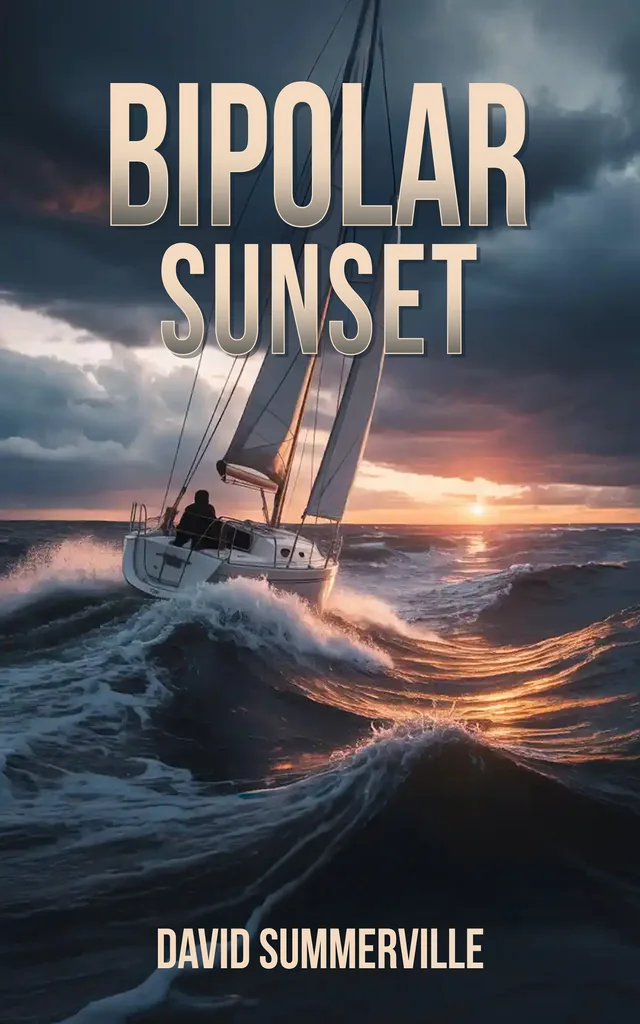
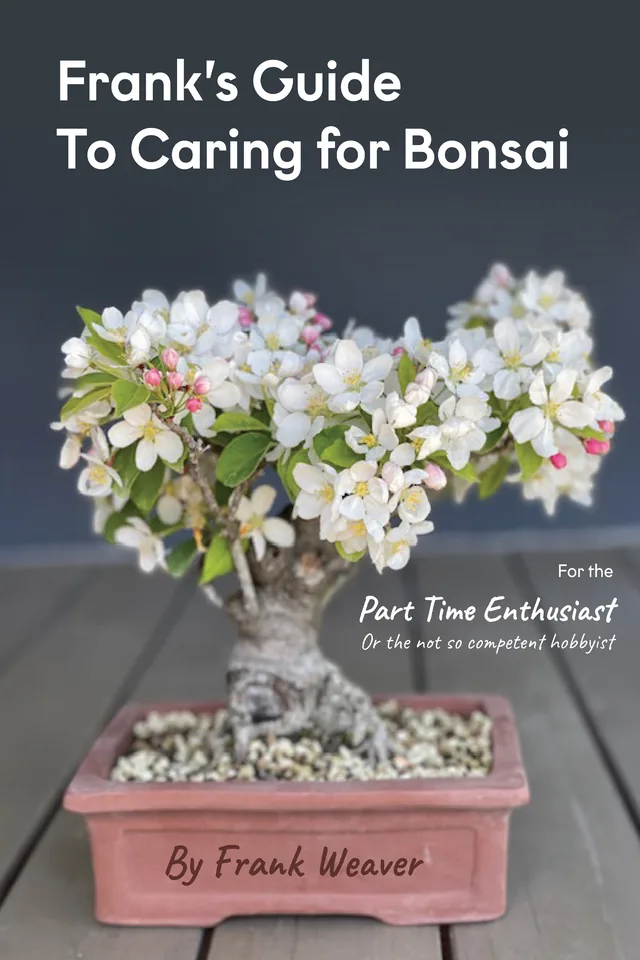
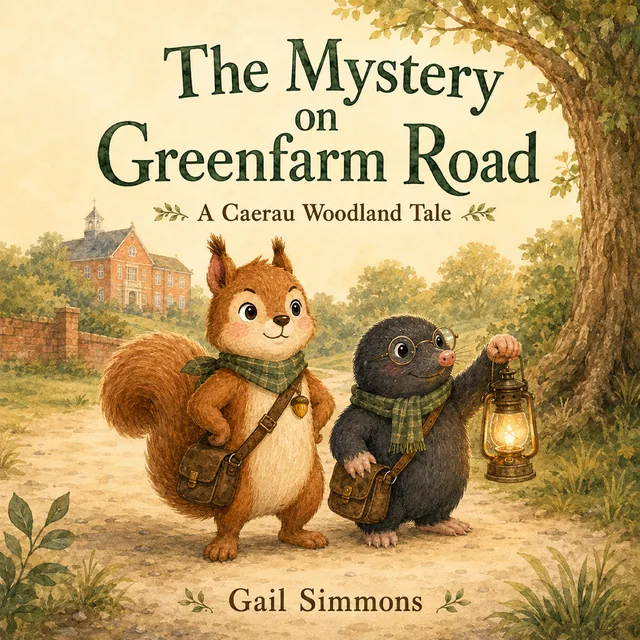
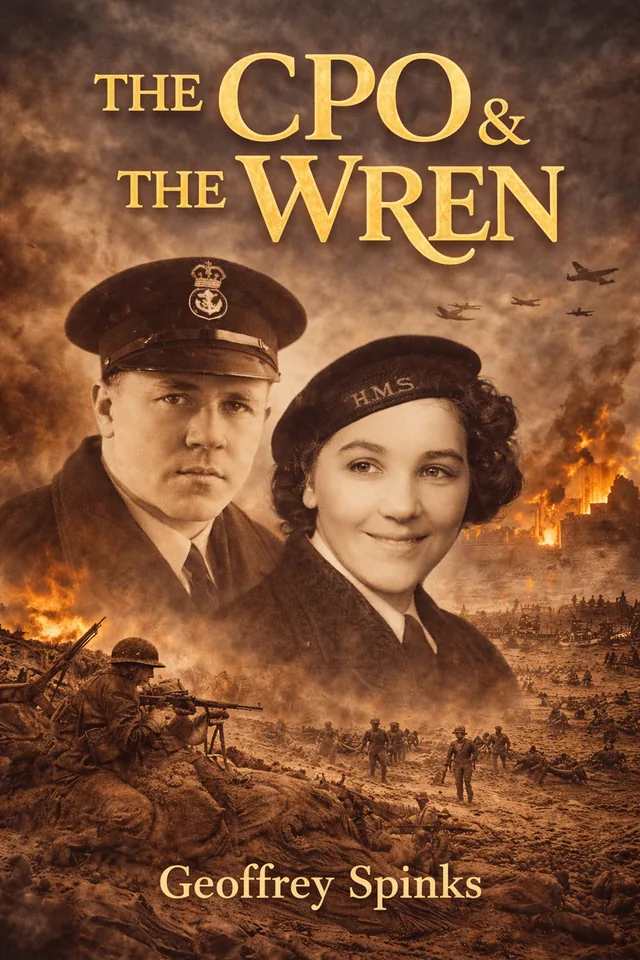






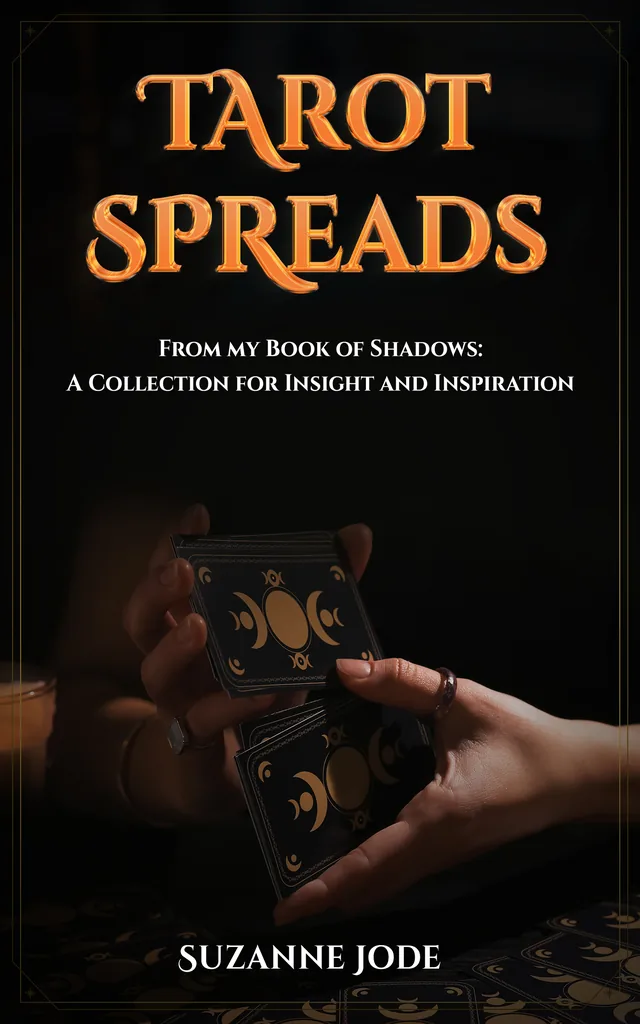
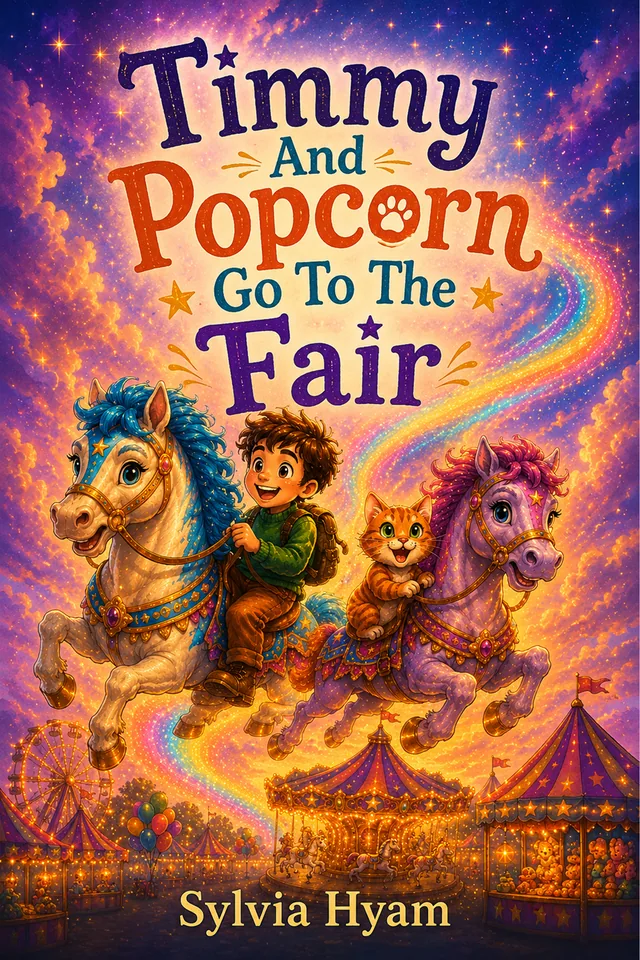
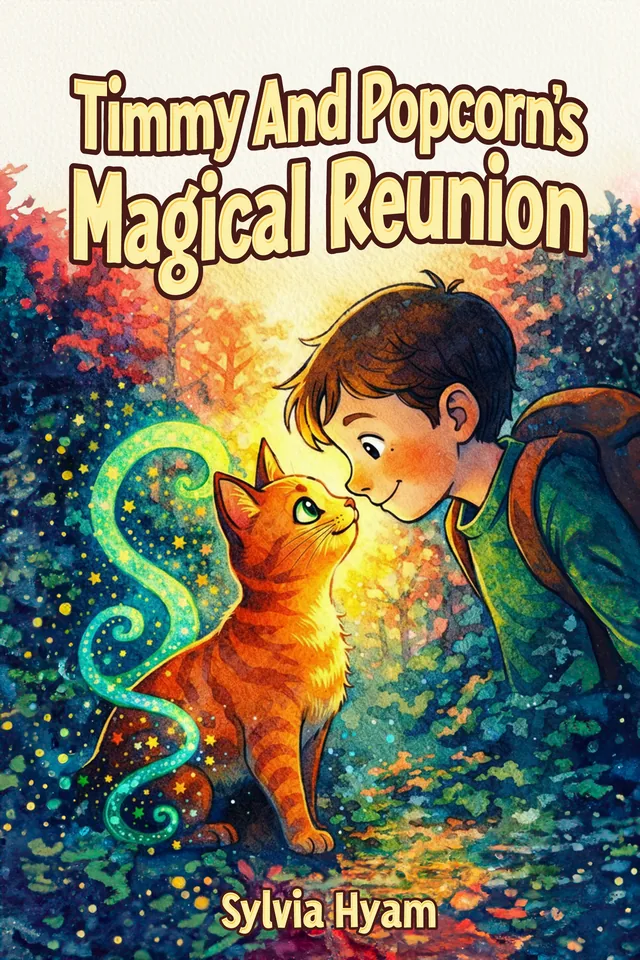
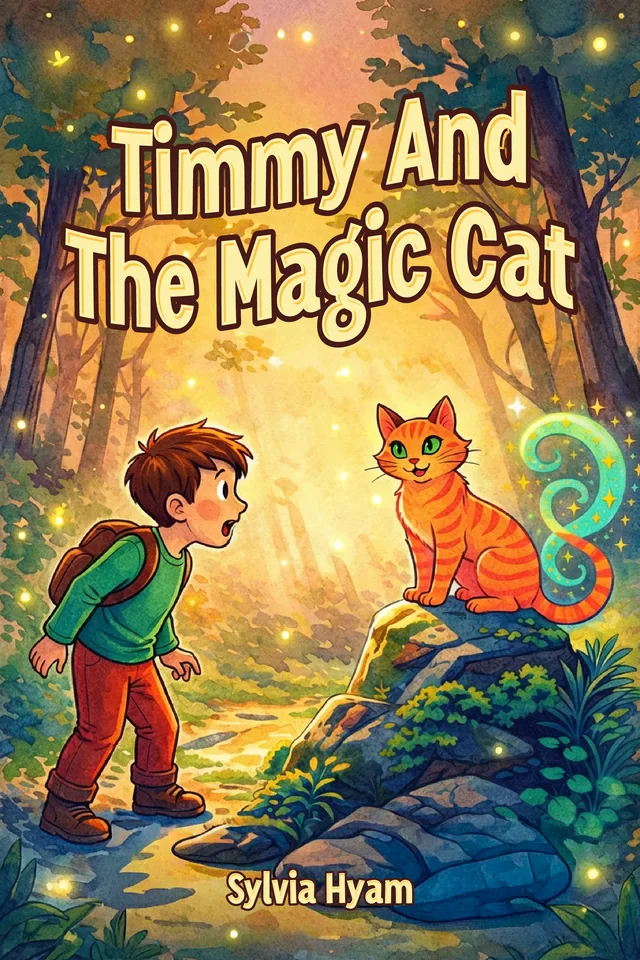
Bipolar SunsetDavid Summerville
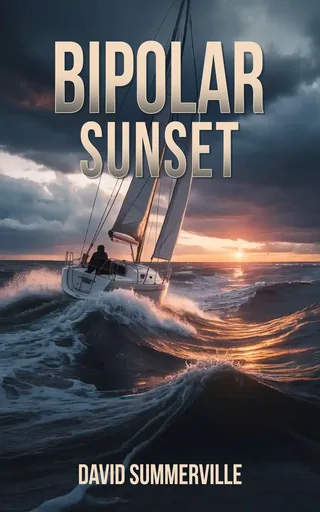 Bipolar SunsetDavid Summerville
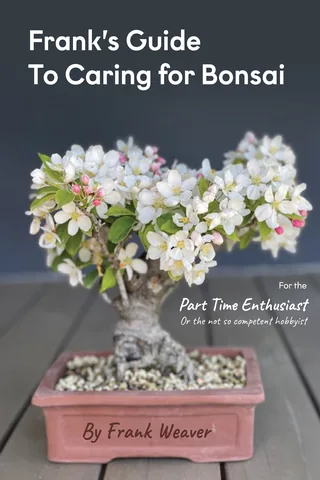 Frank's Guide to Caring for BonsaiFrank Weaver
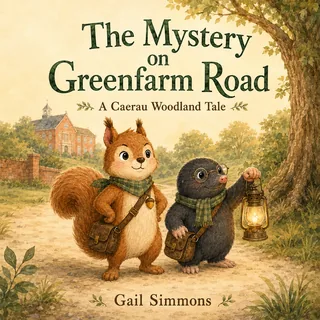 The Mystery on Greenfarm RoadGail Simmons
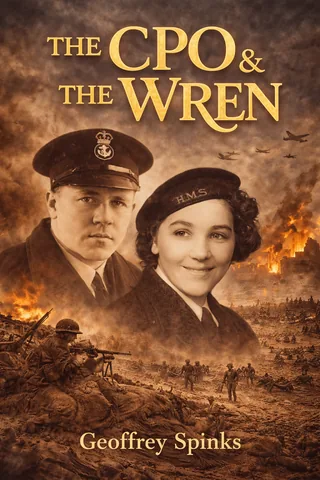 The CPO & The WrenGeoffrey Spinks
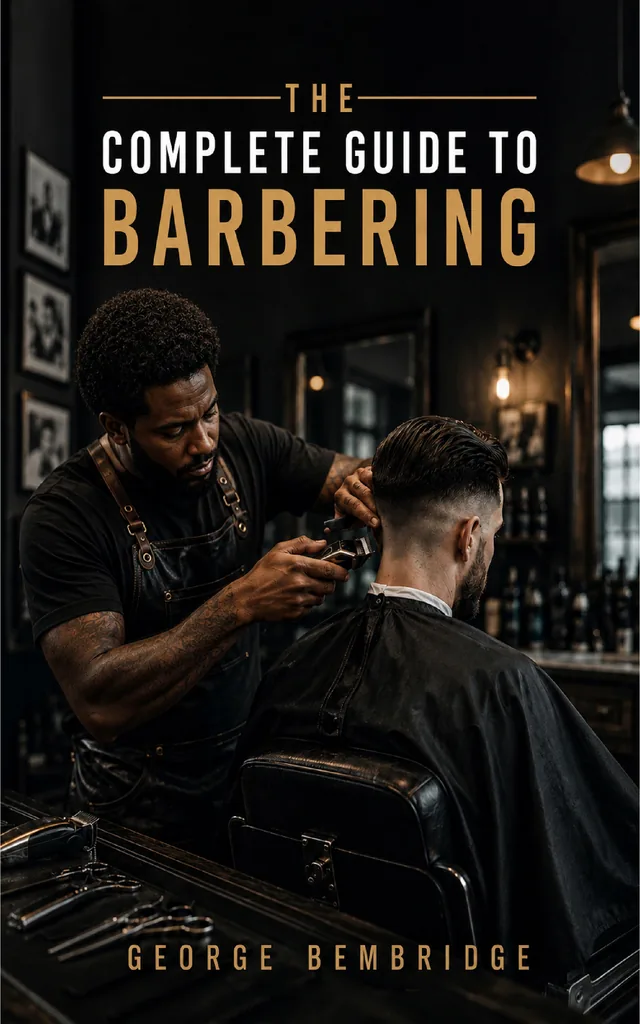
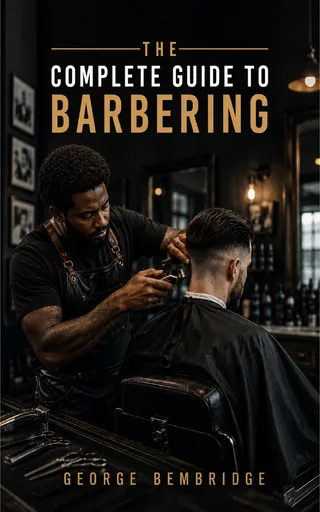 The Complete Guide to BarberingGeorge Bembridge
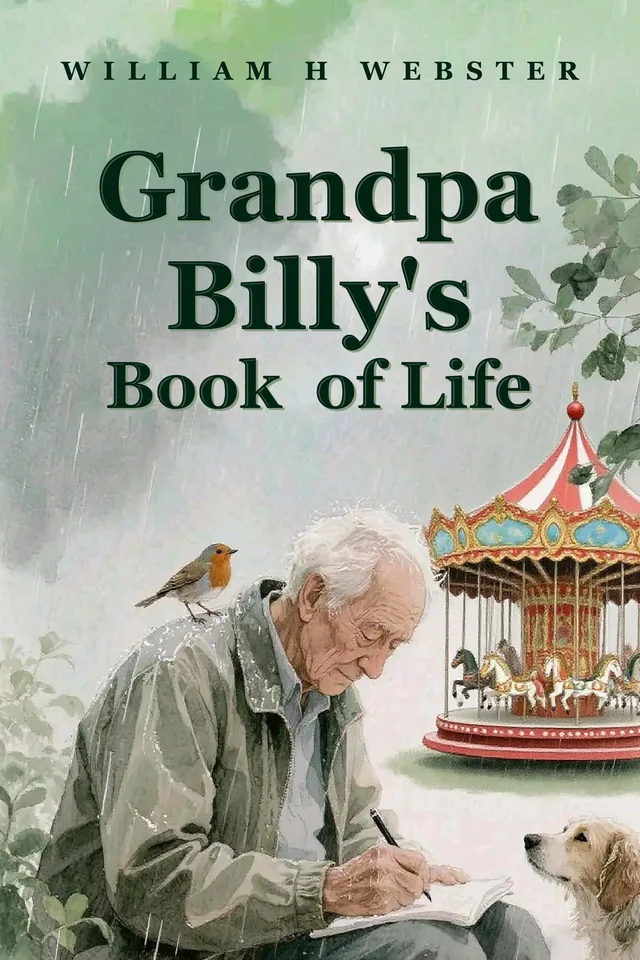
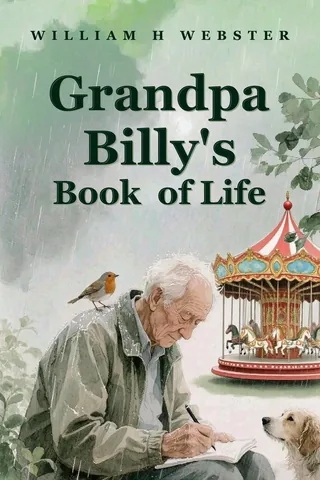 Grandpa Billy's Book of LifeWilliam H Webster
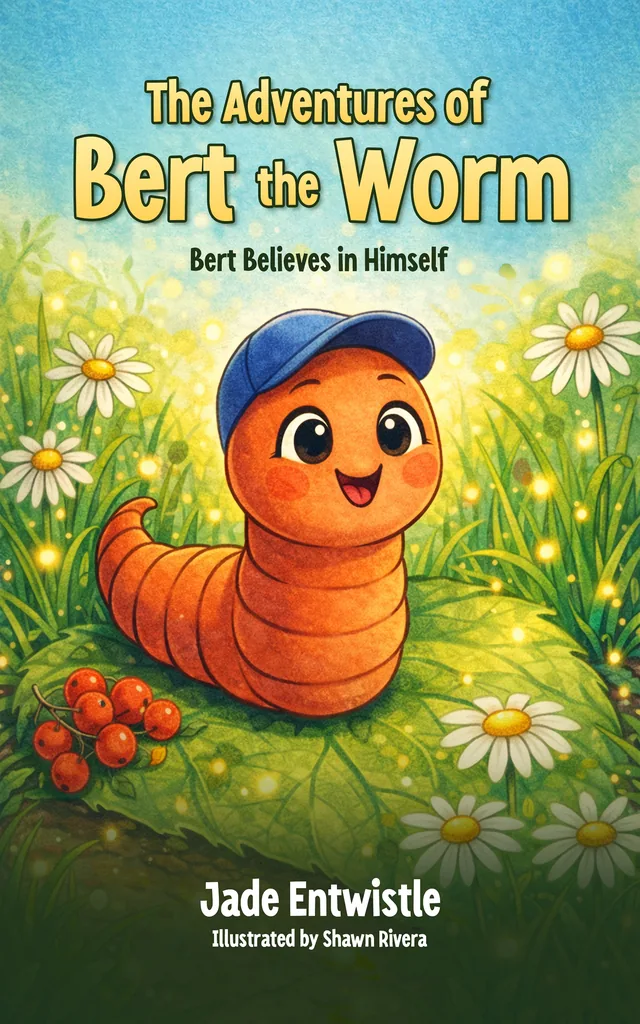
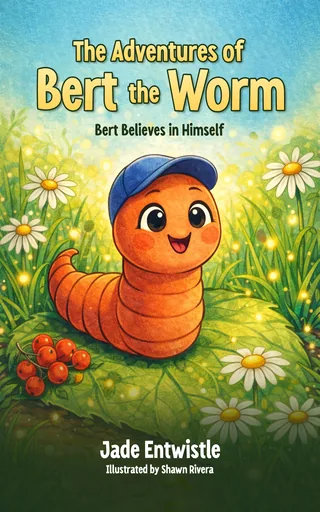 The Adventures of Bert the WormJade Entwistle
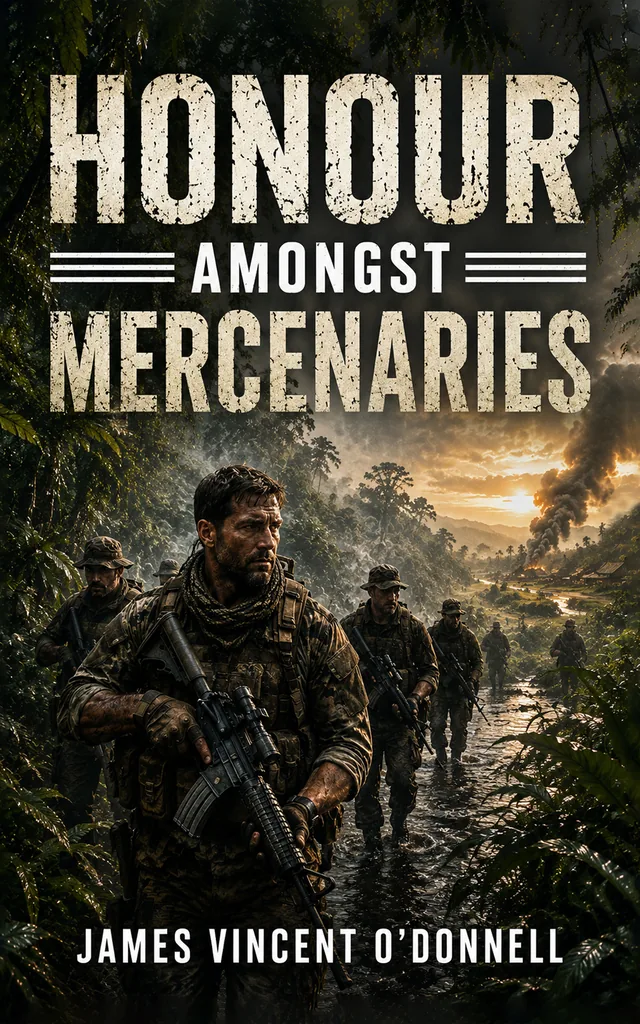
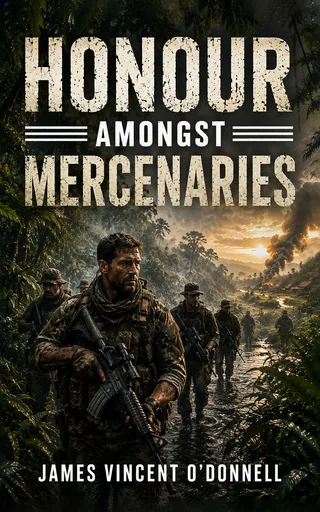 Honour Amongst MercenariesJames Vincent O'Donnell
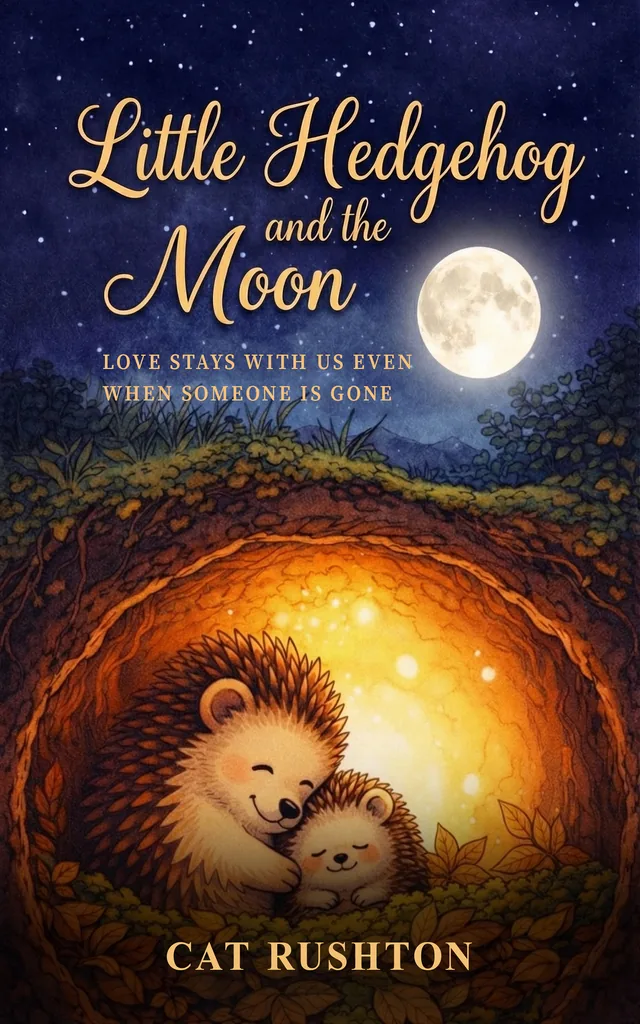
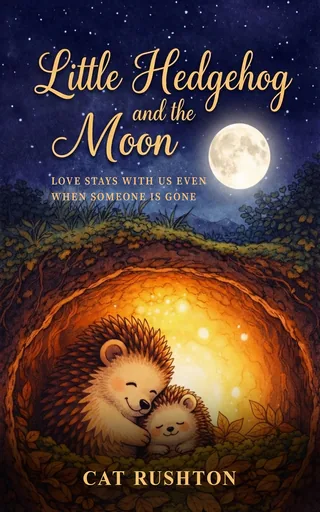 Little Hedgehog and the MoonCat Rushton
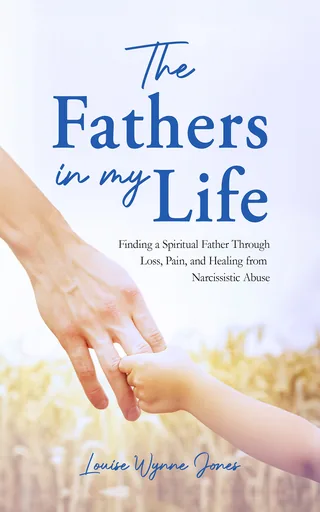 The Fathers in my LifeLouise Wynne Jones
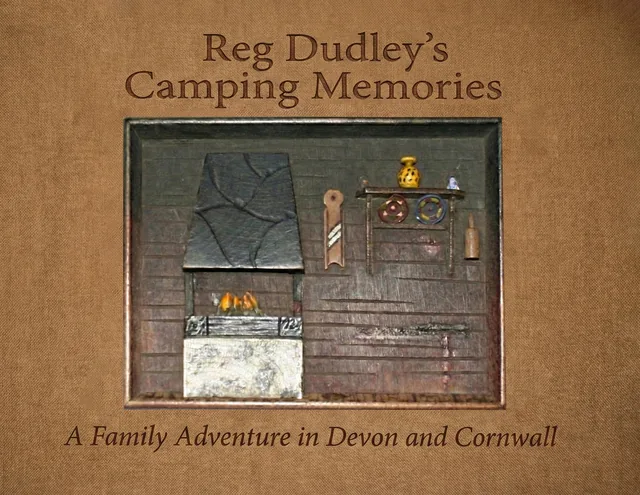
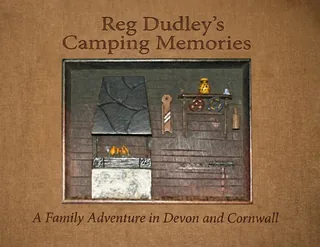 Reg Dudley's Camping Memories
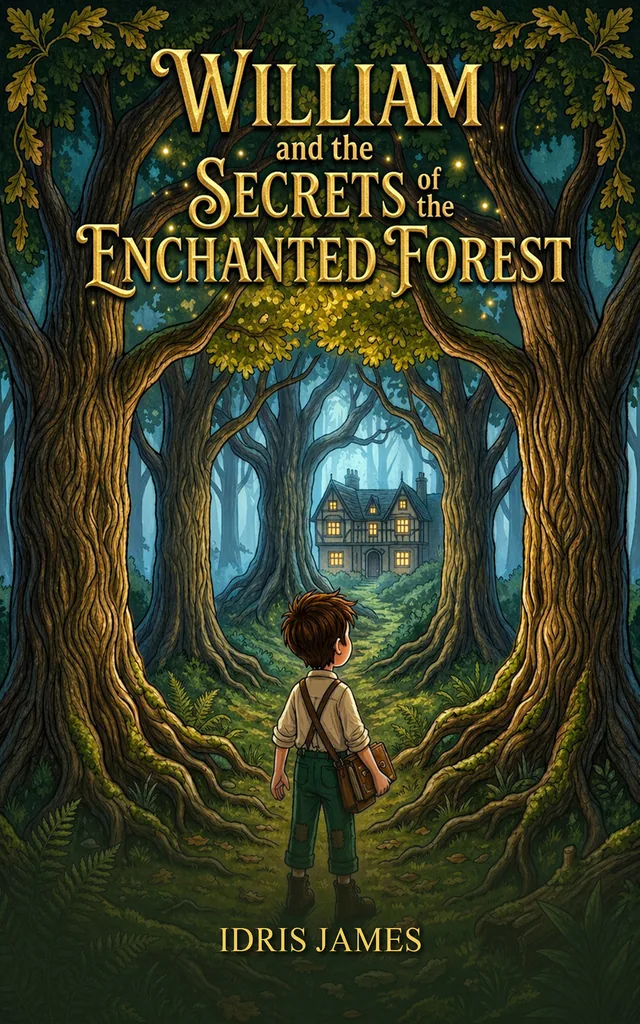
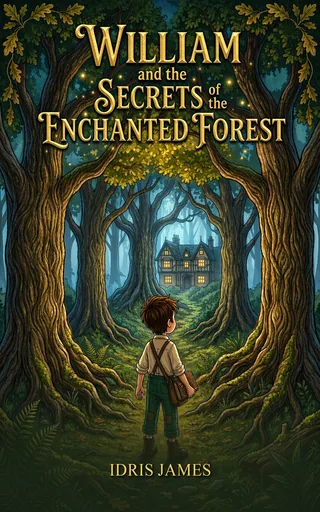 William and the Secrets of the Enchanted ForestIdris James
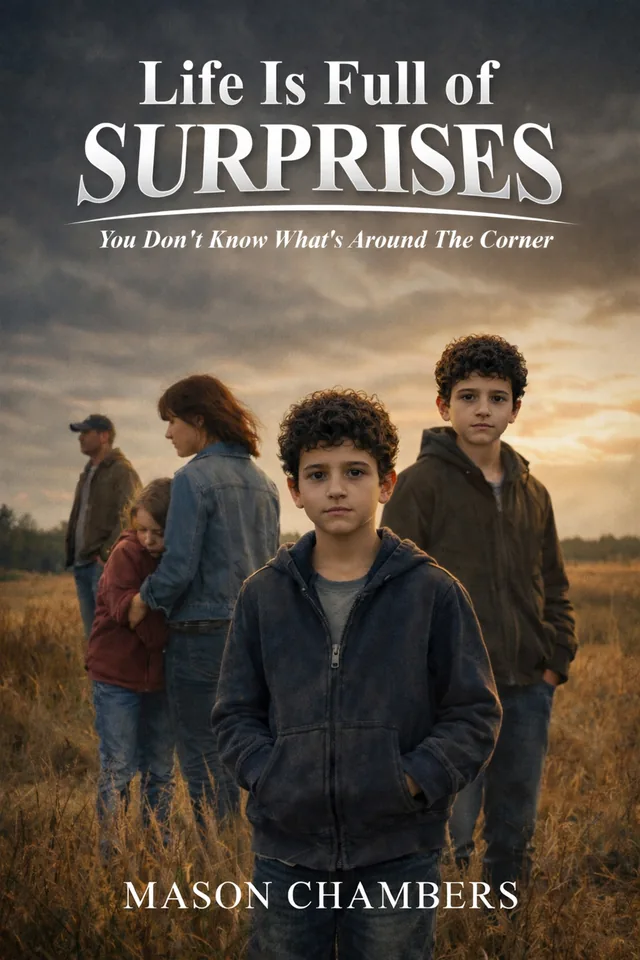
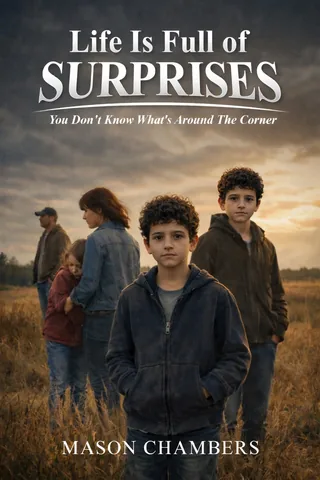 Life Is Full of SurprisesMason Chambers
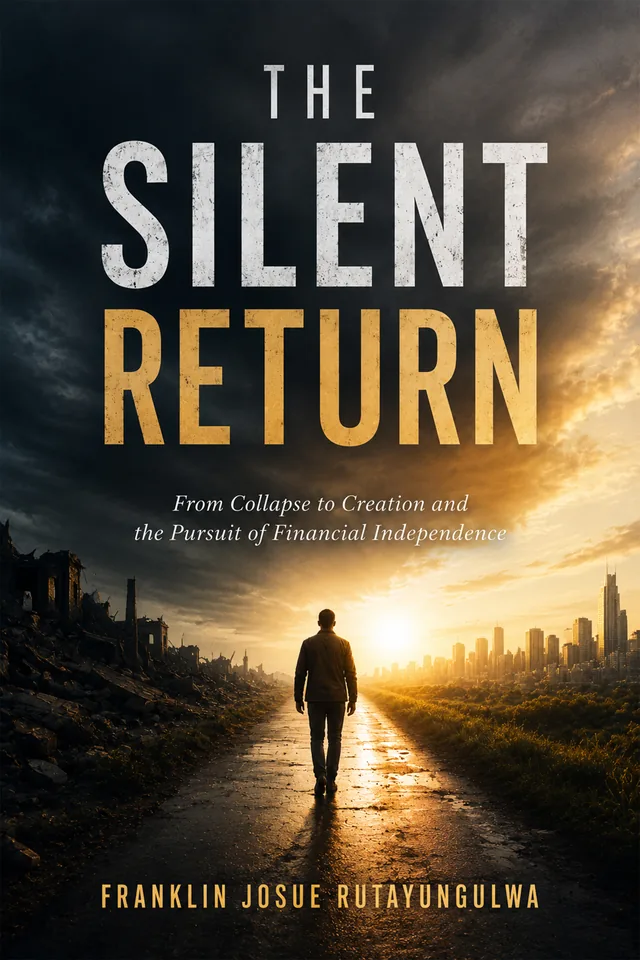
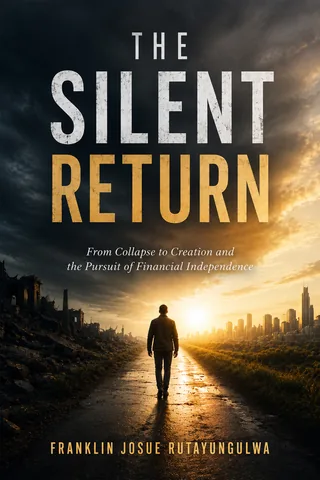 The Silent ReturnFranklin Josue Rutayungulwa
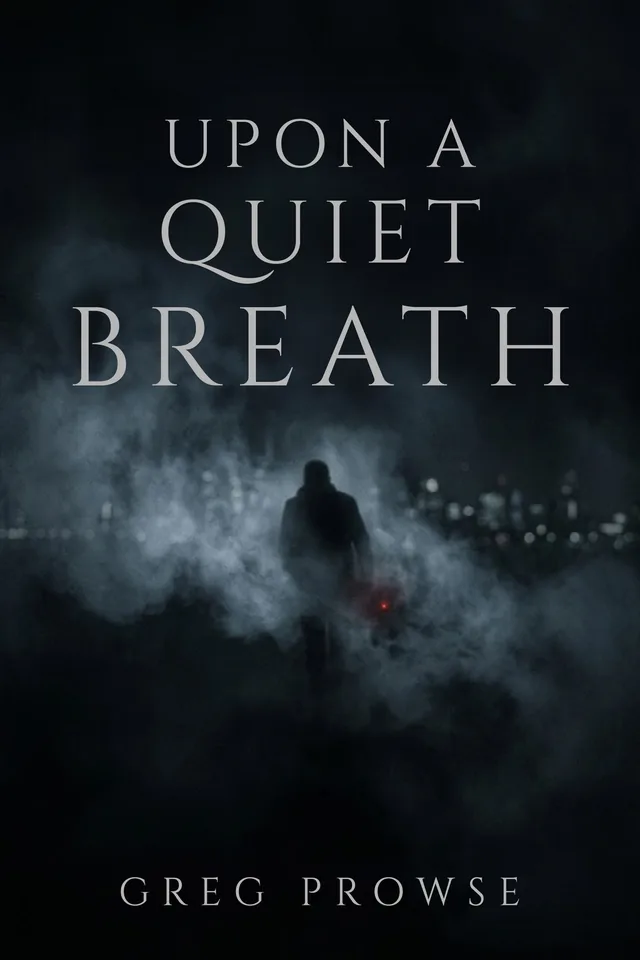
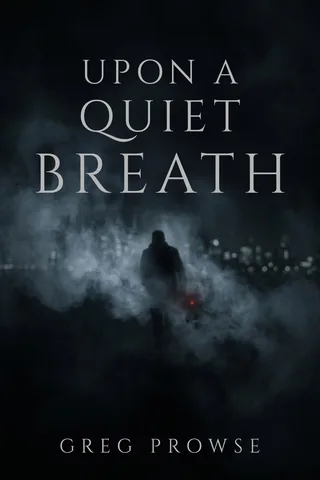 Upon a Quiet BreathGreg Prowse
 A Question of Good HealthAndrew Vincent
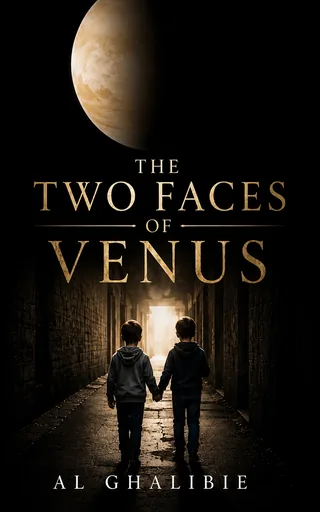 The Two Faces of VenusAl Ghalibie
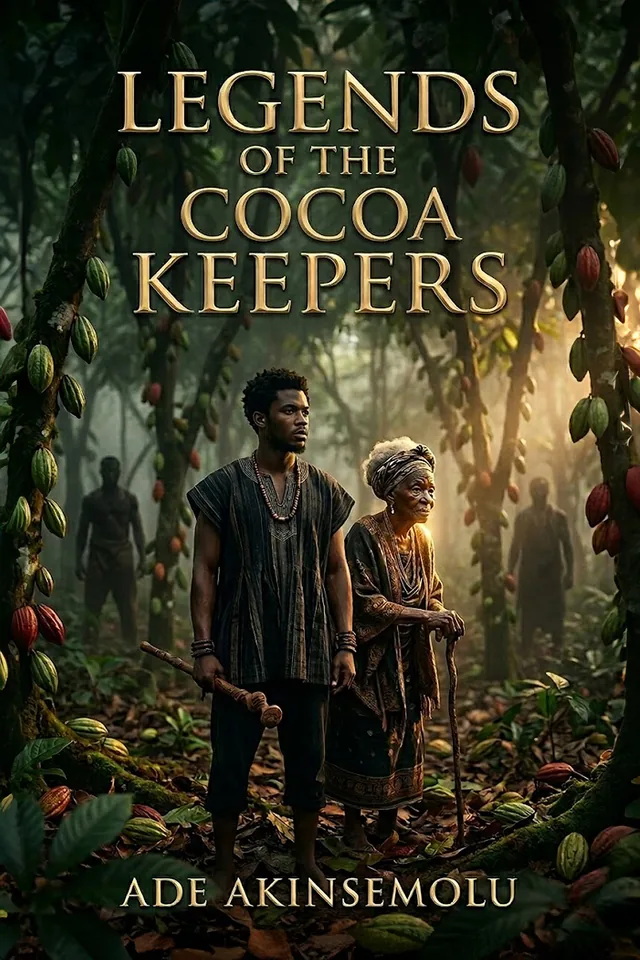
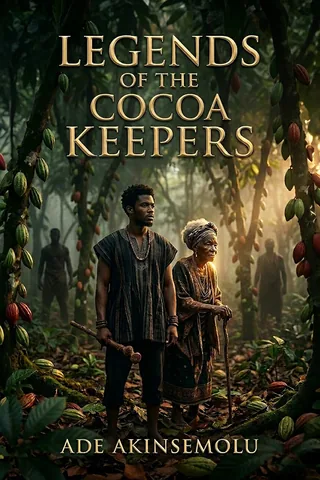 Legends of the Cocoa KeepersAde Akinsemolu
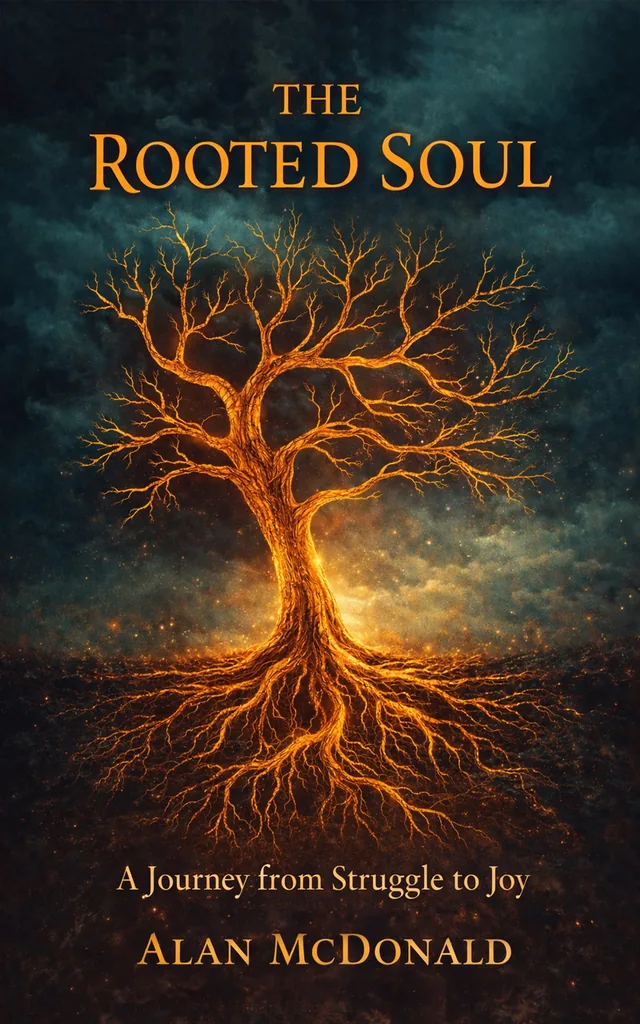
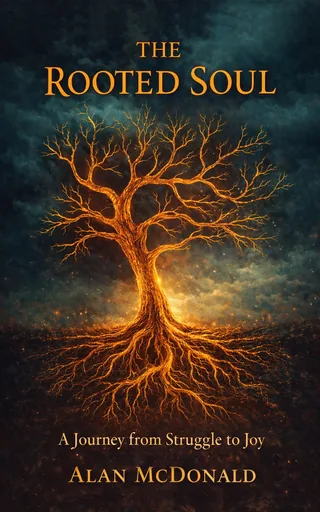 The Rooted SoulAlan McDonald
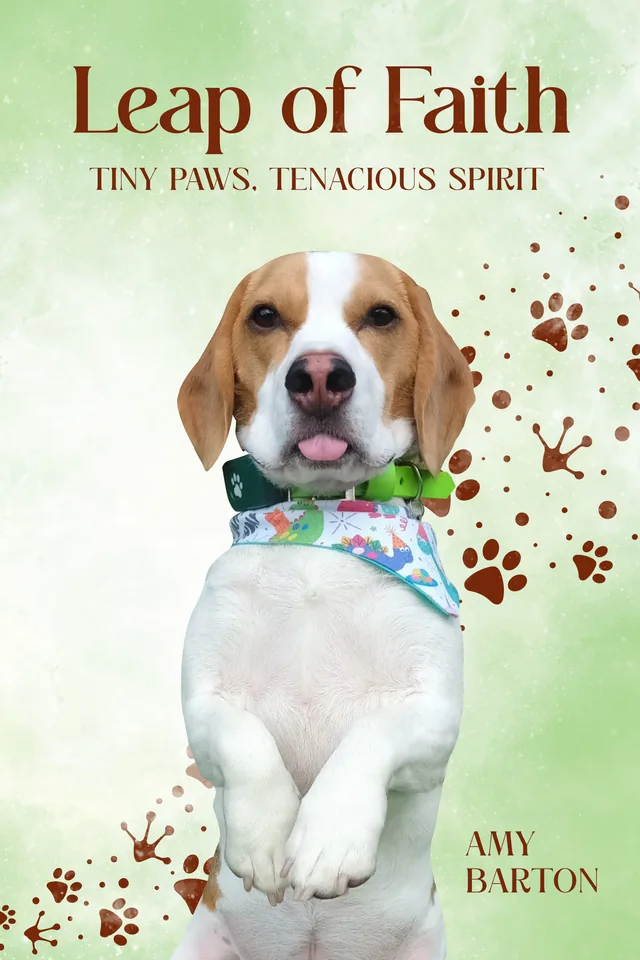
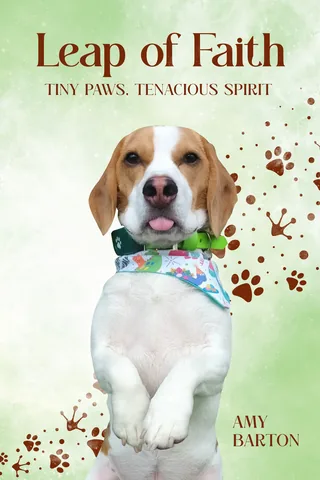 Leap of FaithAmy Barton
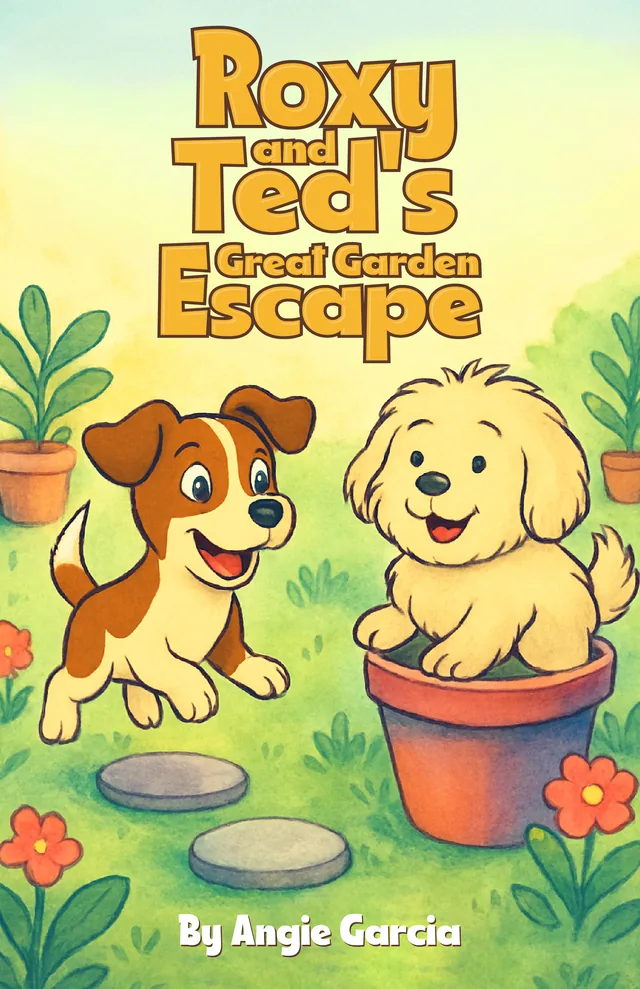
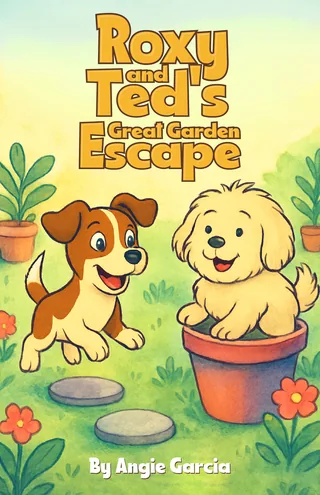 Roxy and Ted’s Great Garden EscapeAngie Garcia
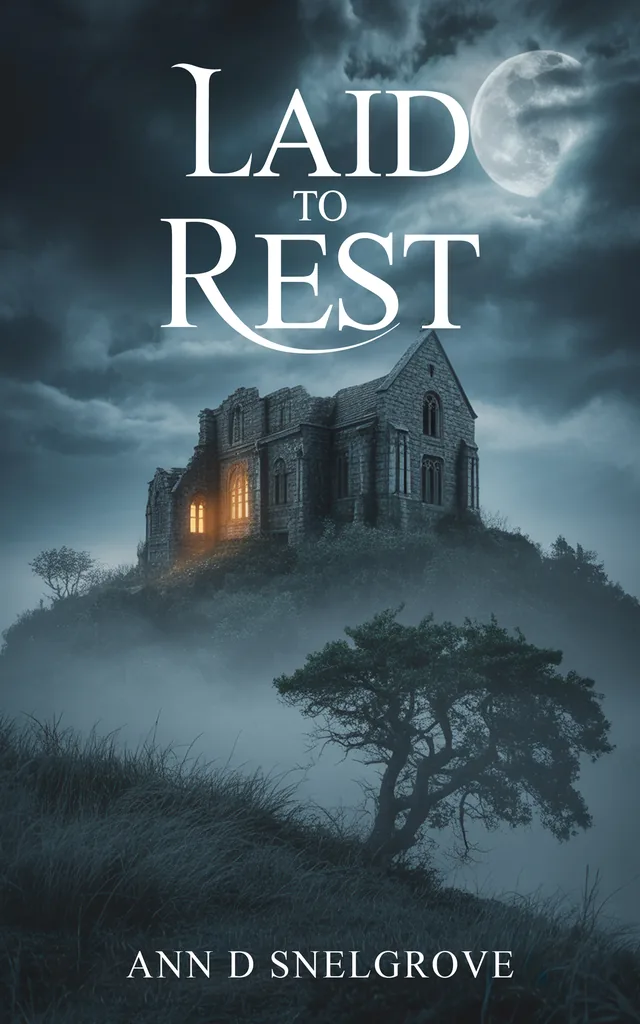
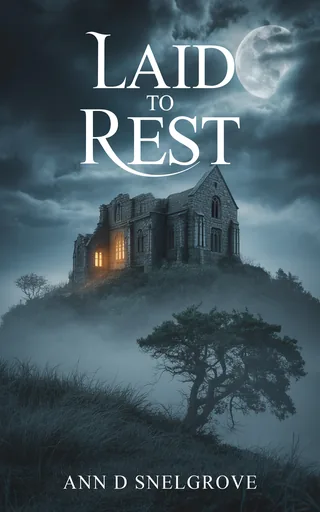 Laid to RestAnn D Snelgrove
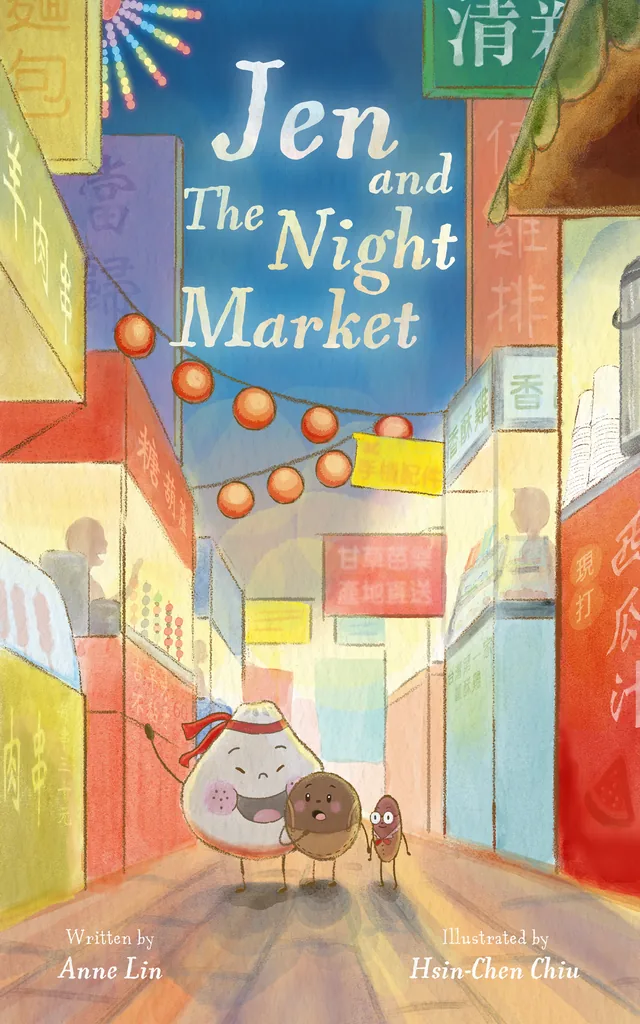
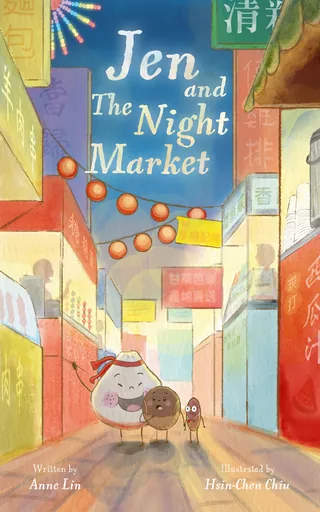 Jen and the Night MarketAnne Lin
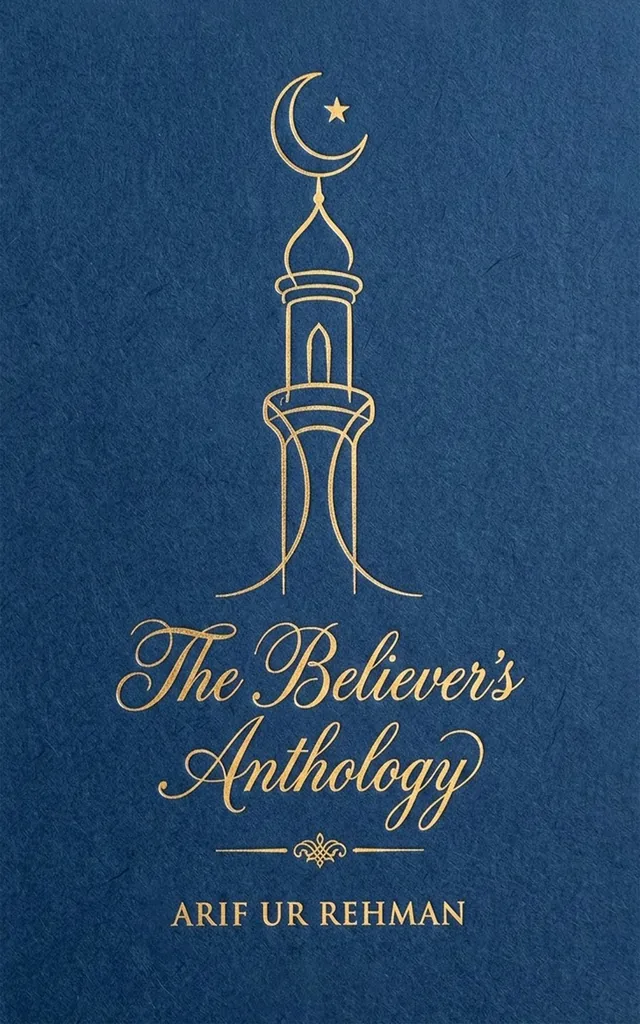
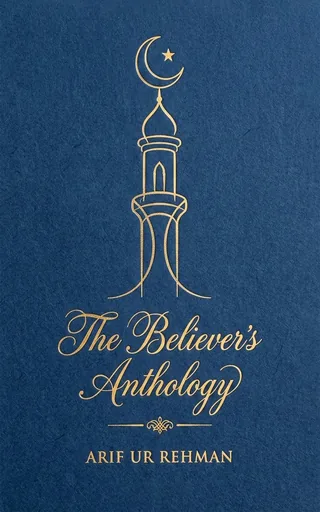 The Believer’s AnthologyArif ur Rehman
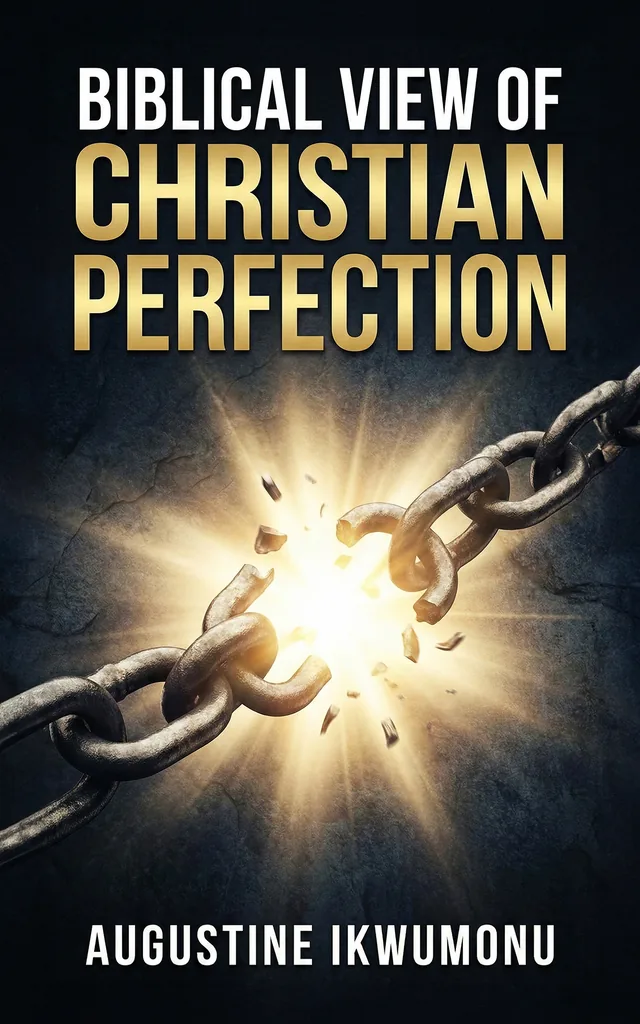
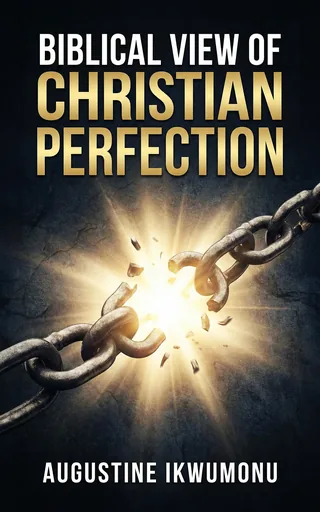 Biblical View of Christian PerfectionAugustine Ikwumonu
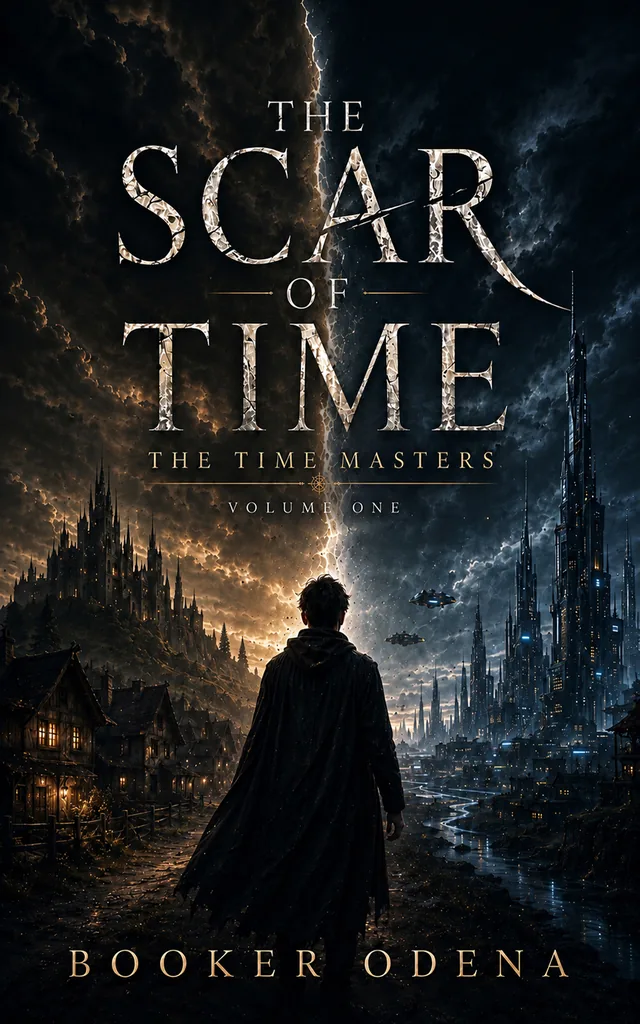
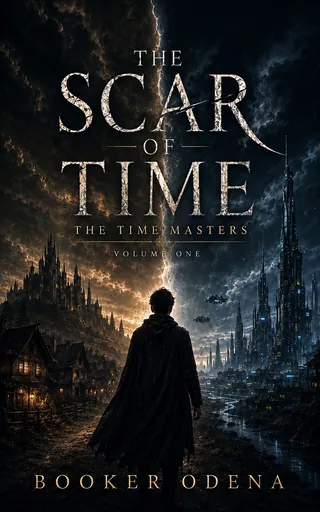 The Scar of TimeBooker Odena
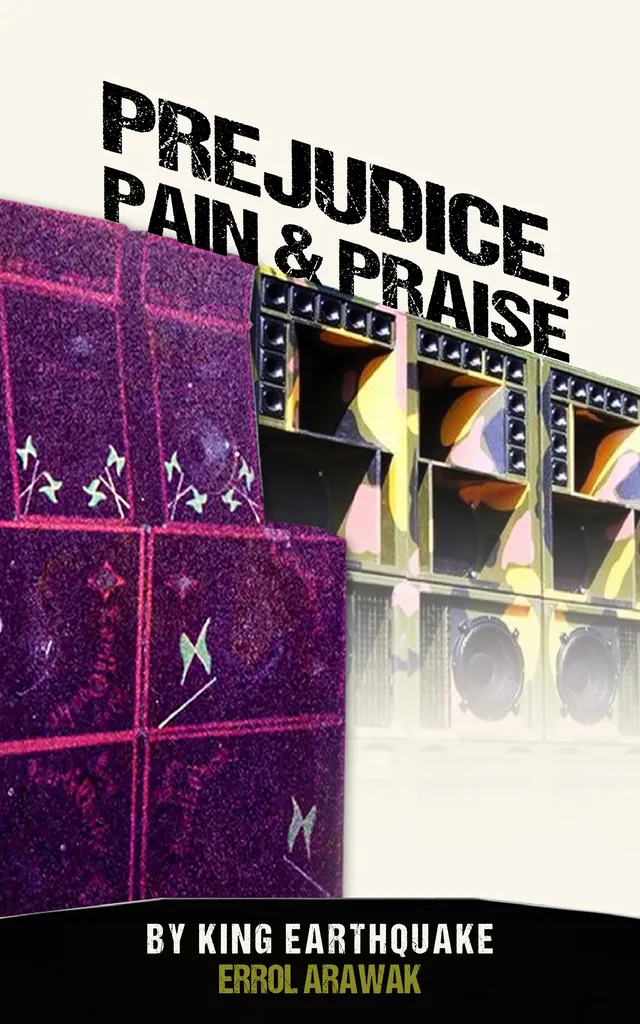
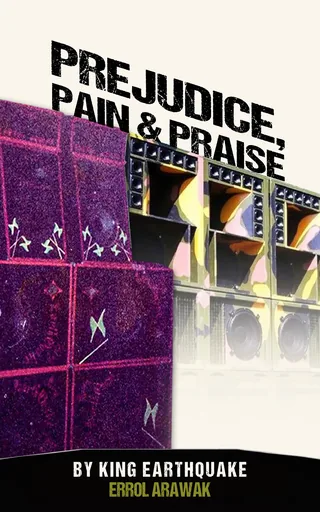 Prejudice, Pain & PraiseErrol Arawak
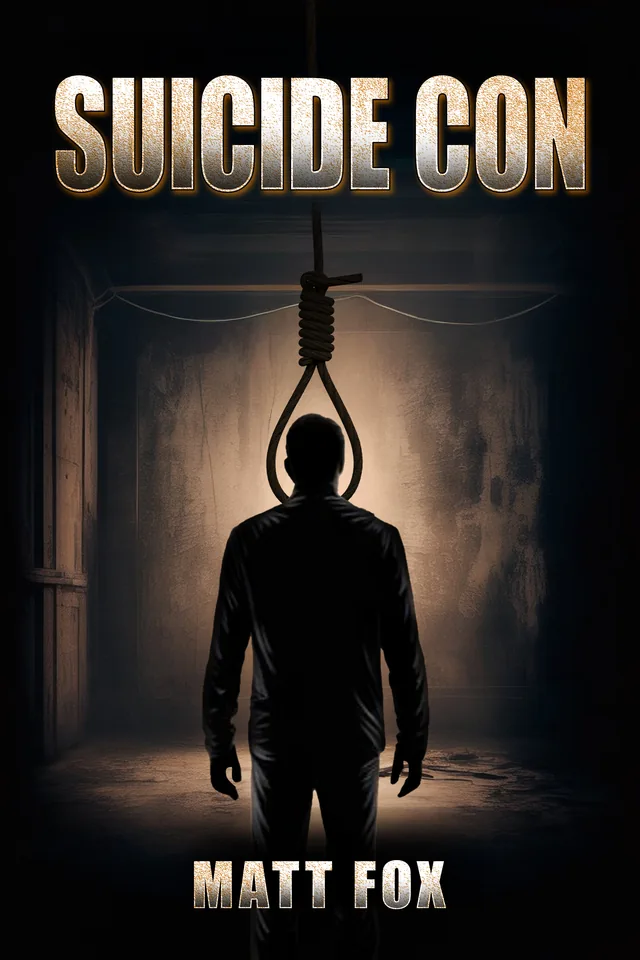
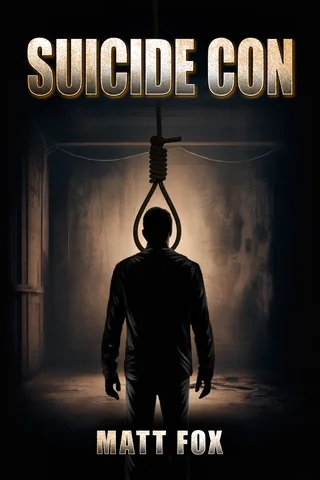 Suicide ConMatt Fox
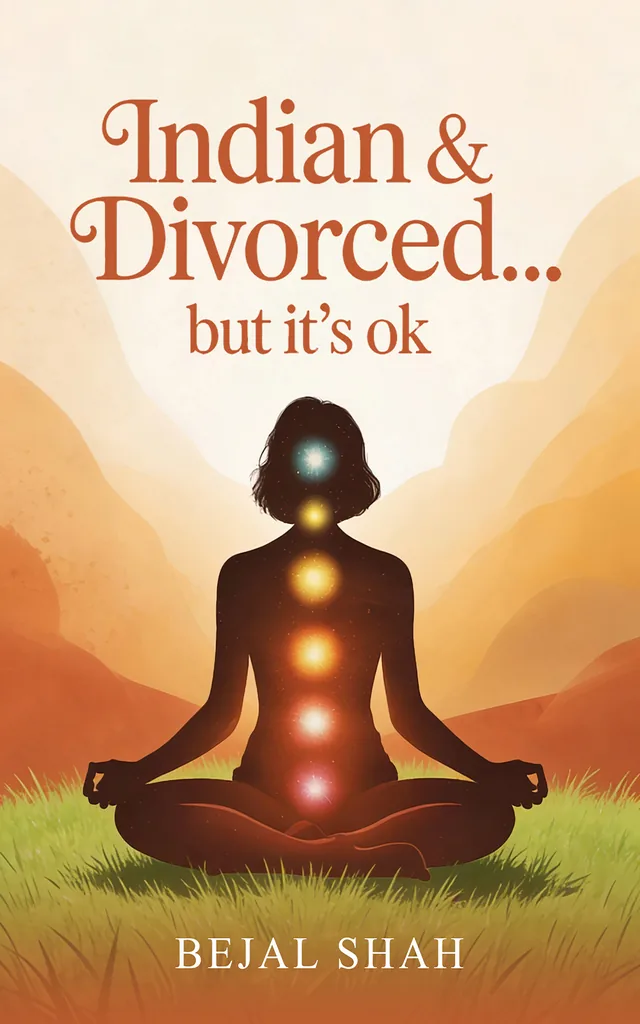
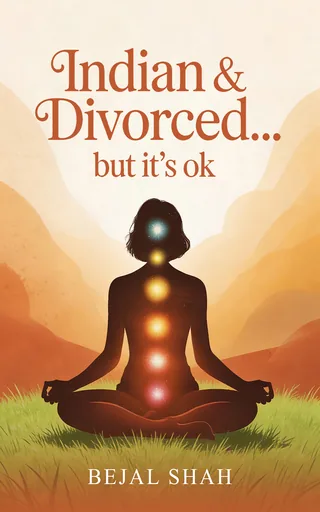 Indian & Divorced… but it’s okBejal Shah
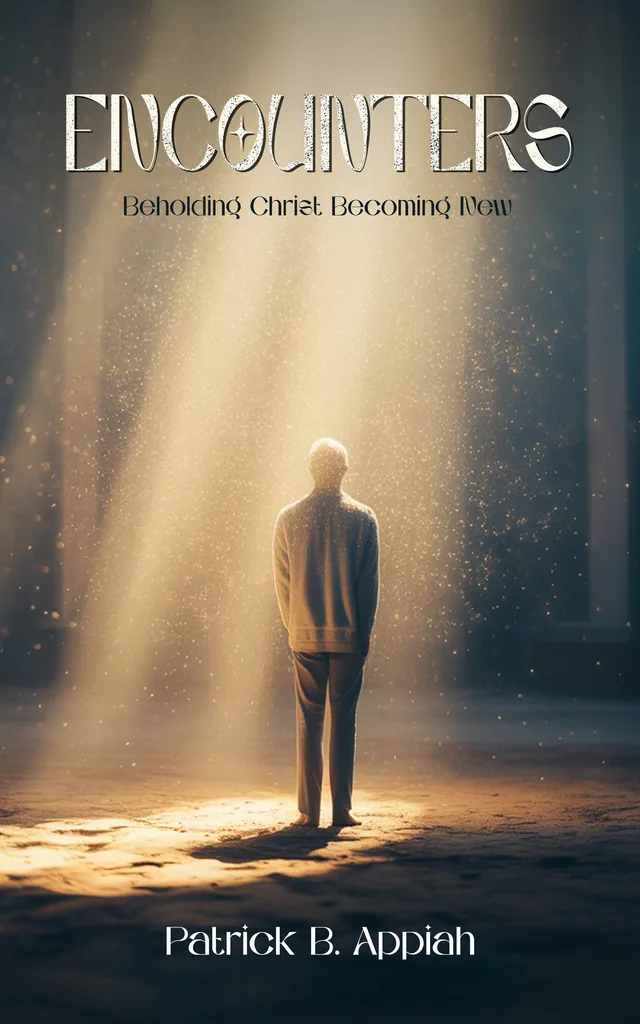
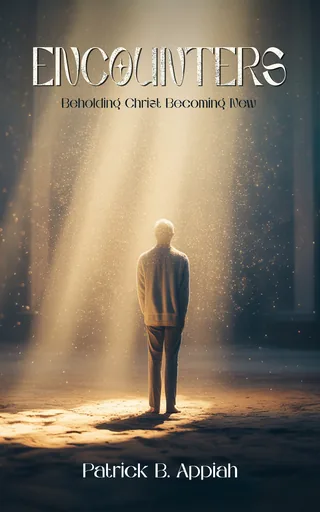 EncountersPatrick B. Appiah
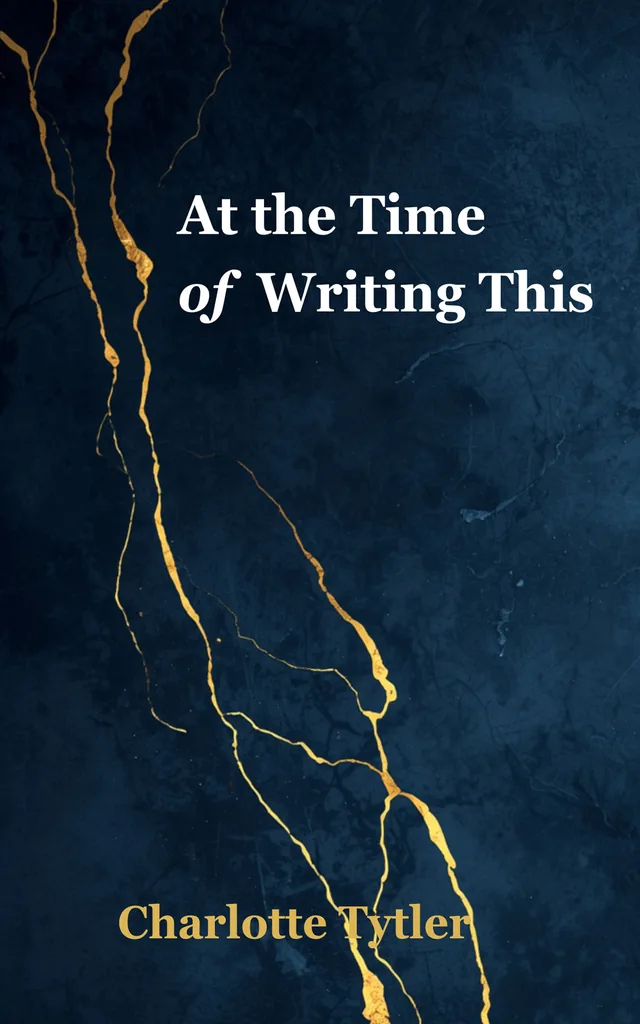
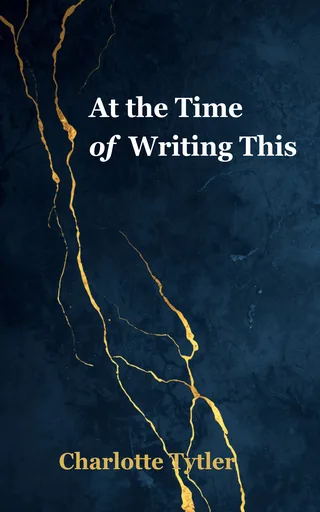 At the Time of Writing ThisCharlotte Tytler
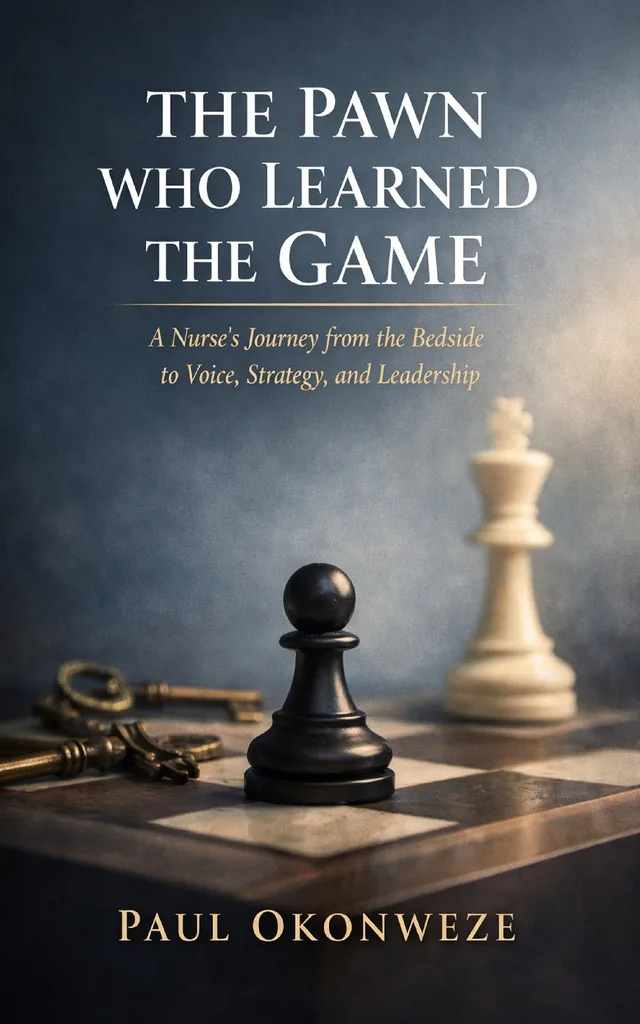
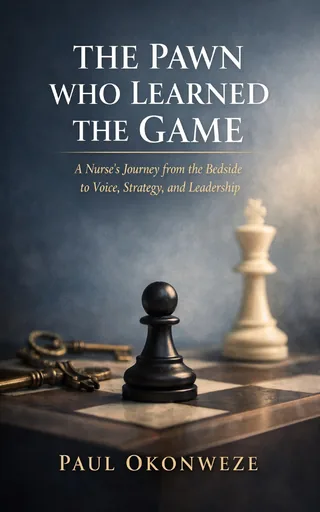 The Pawn Who Learned the GamePaul Okonweze
 Five Centuries of Congolese RumbaDieudonné Pengo Bonket
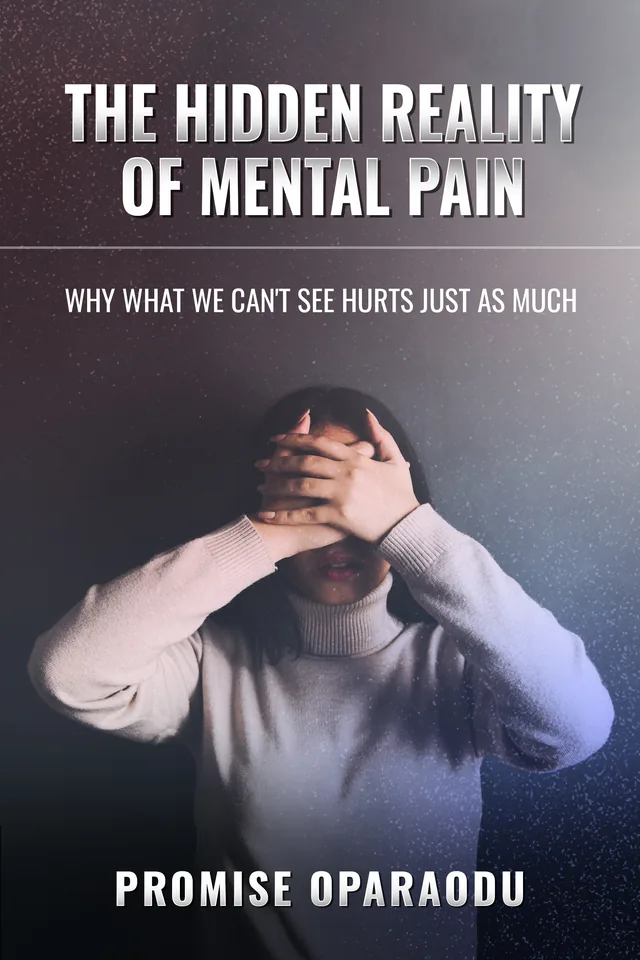
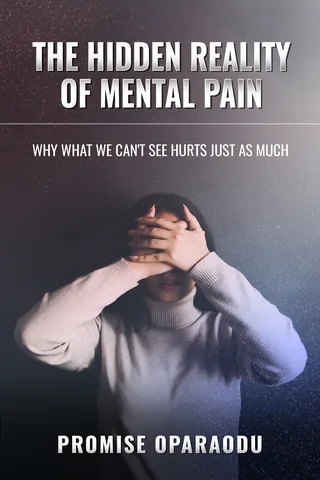 The Hidden Reality of Mental PainPromise Oparaodu
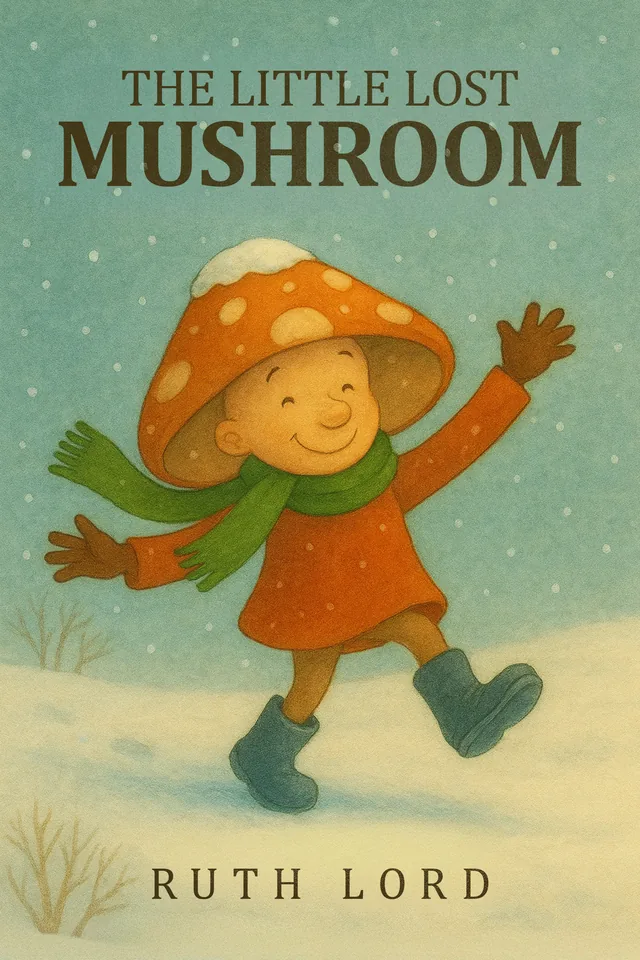
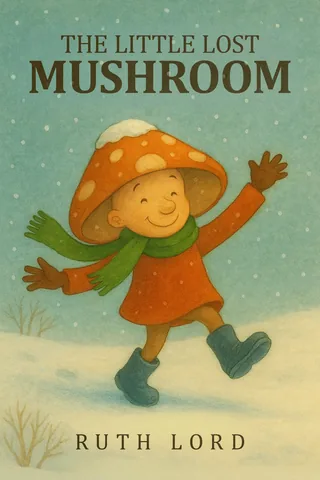 The Little Lost MushroomRuth Lord
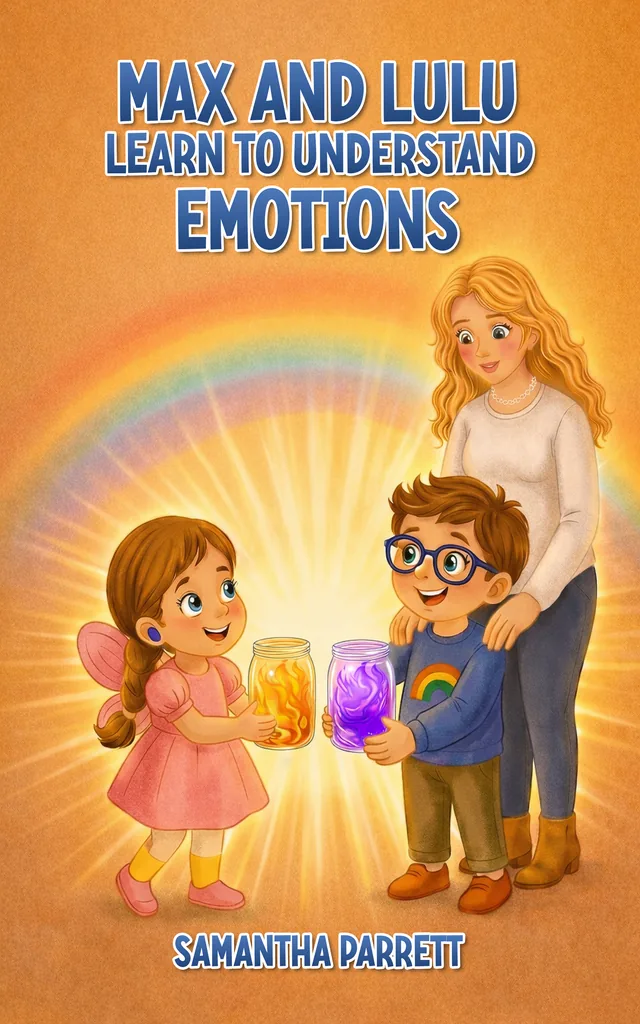
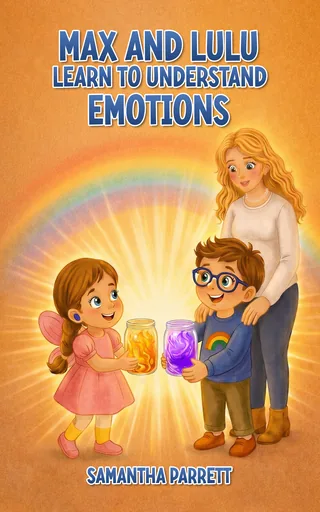 Max and Lulu Learn to Understand EmotionsSamantha Parrett
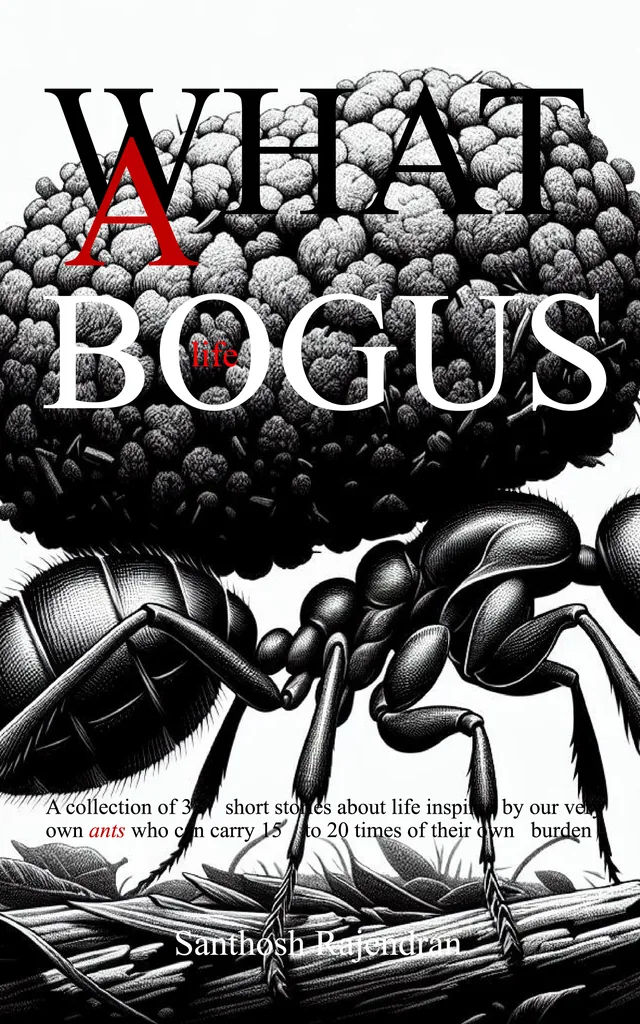
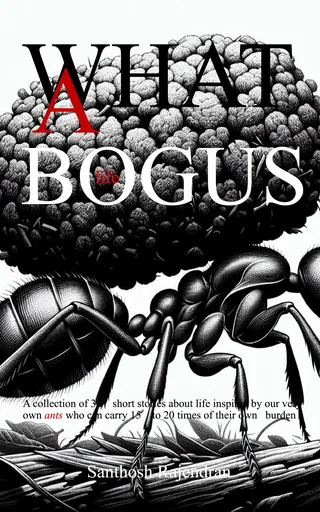 What a Bogus LifeSanthosh Rajendran
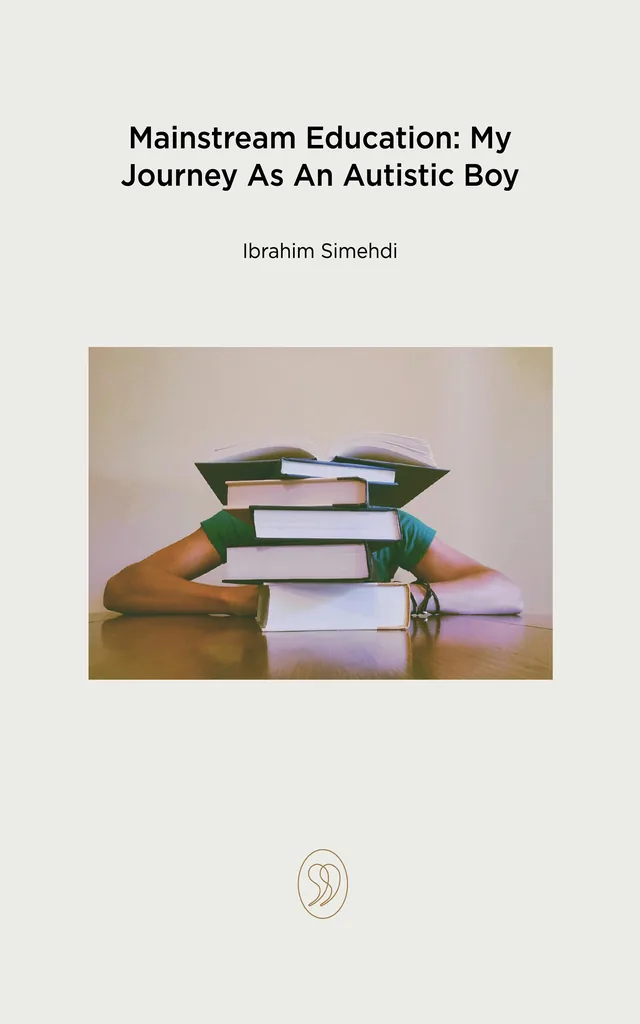
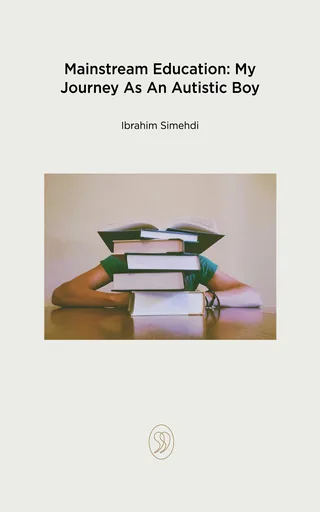 Mainstream EducationIbrahim Simehdi
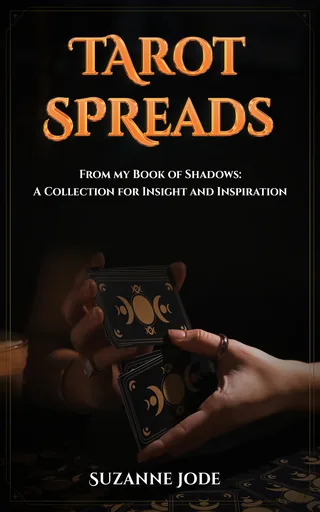 Tarot SpreadsSuzanne Jode
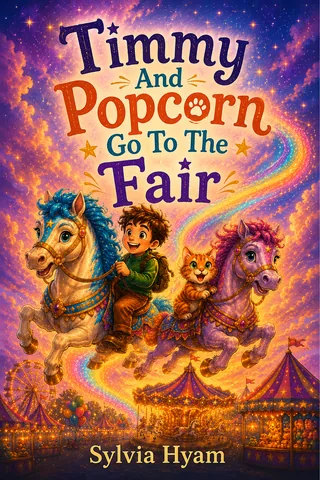 Timmy and Popcorn Go to the FairSylvia Hyam
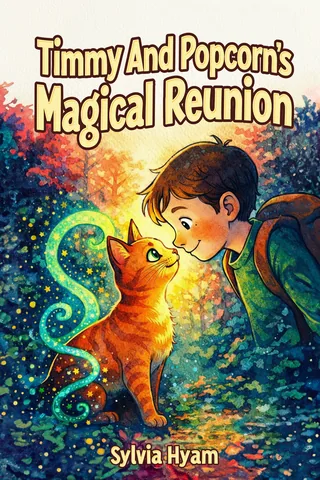 Timmy and Popcorn’s Magical ReunionSylvia Hyam
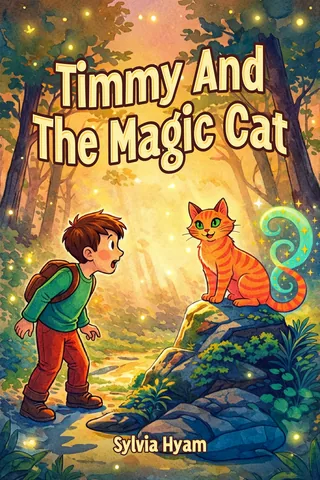 Timmy and the Magic CatSylvia Hyam
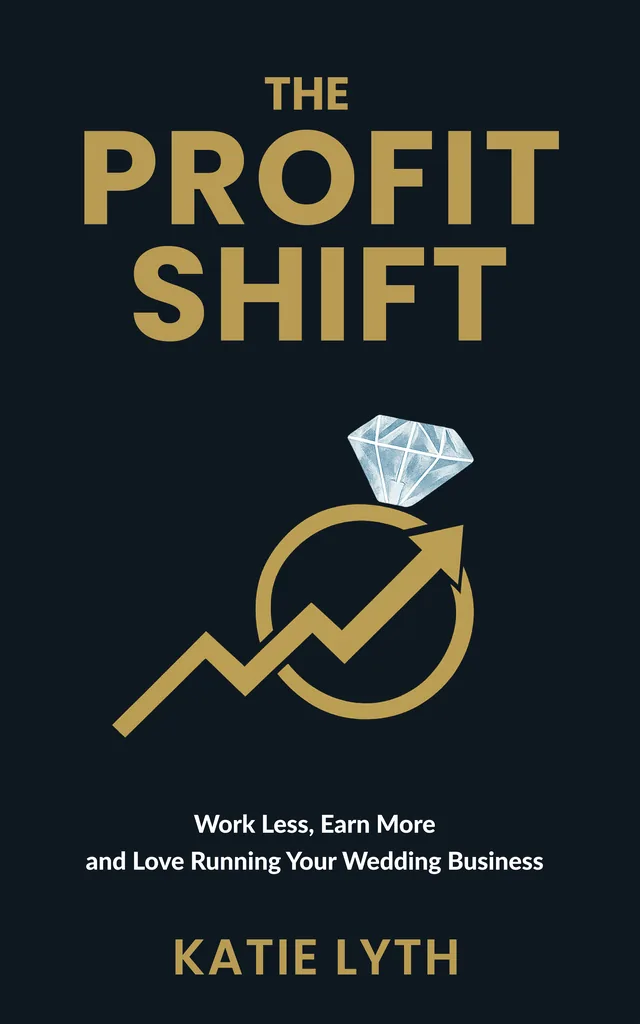
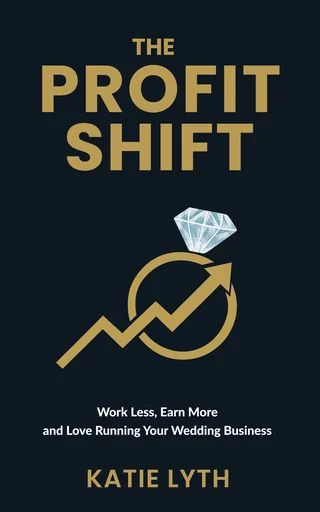 The Profit ShiftKatie Lyth
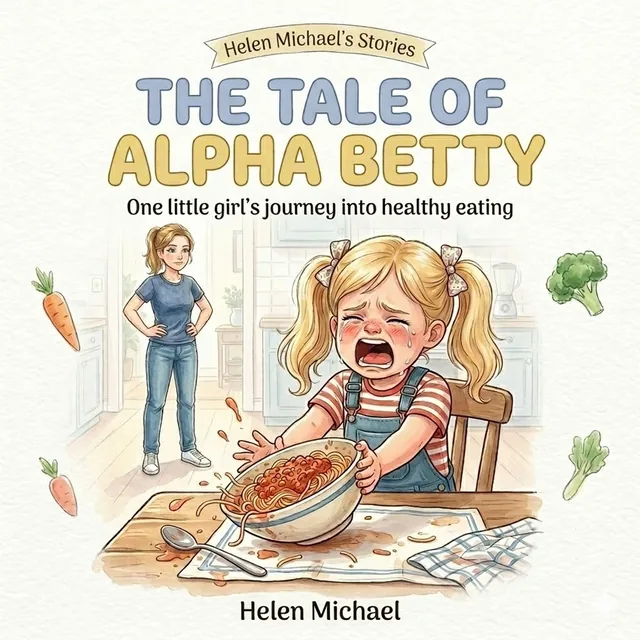
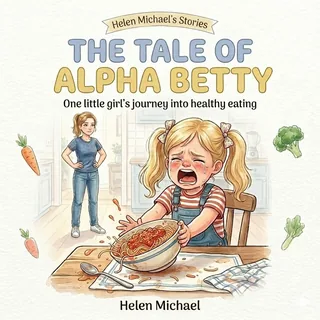 The Tale of Alpha BettyHelen Michael
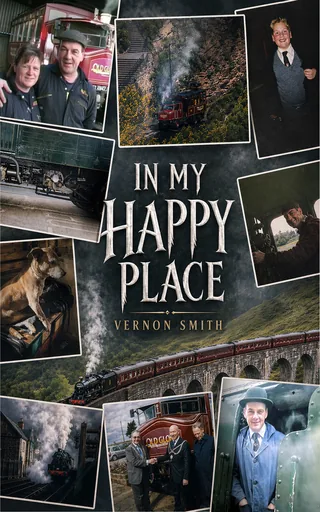 In My Happy PlaceVernon Smith
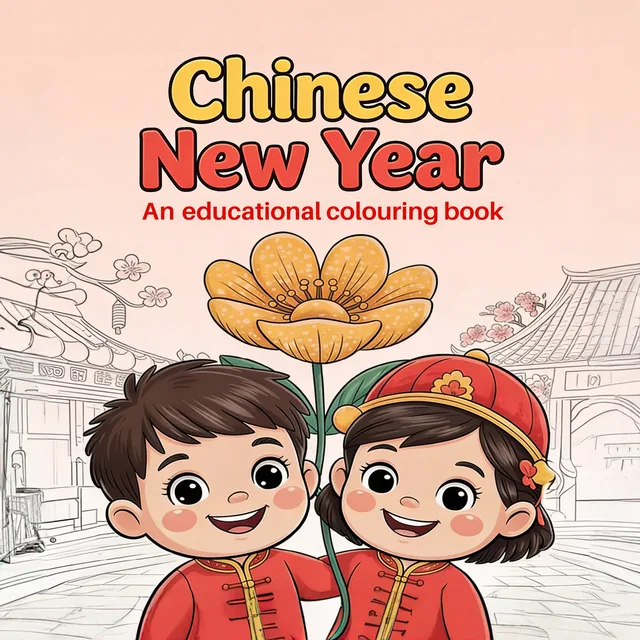
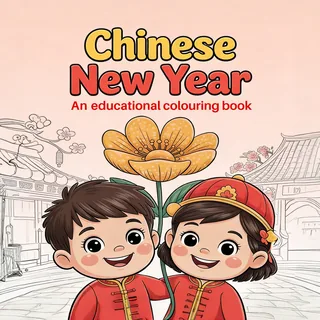 Chinese New Year
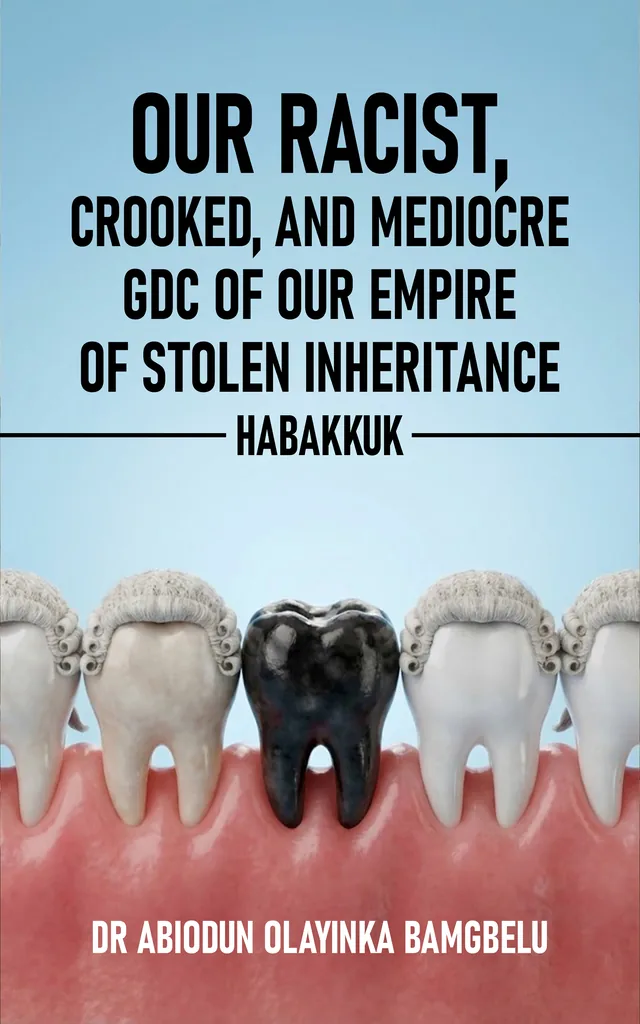
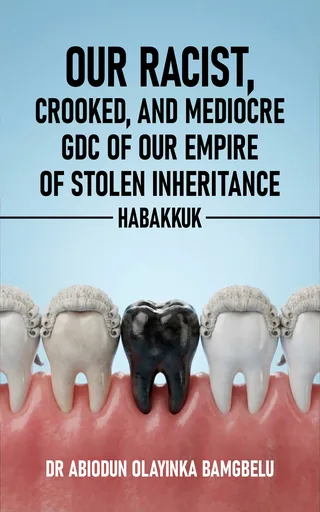 Our Racist, Crooked and Mediocre GDC of Our Empire of Stolen InheritanceDr Abiodun Olayinka Bamgbelu
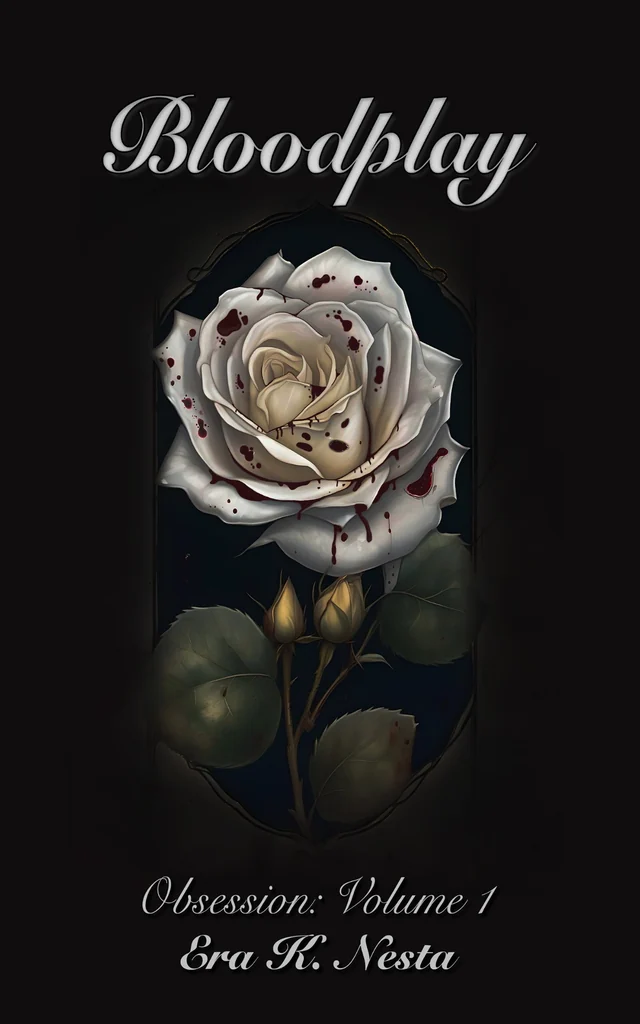
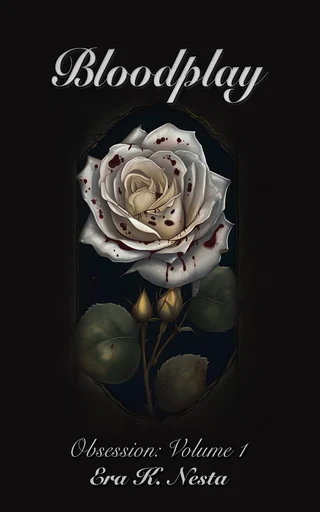 BloodplayEra K. Nesta

Grand
Kidz.
A good part of our shelf is for younger readers: picture books, early readers and illustrated stories, made to exactly the same standard as everything else we publish.
What actually
happens.
Five stages, in order.


Manuscript Assessment
“Is this ready, and is it right for Grand?”
We read the manuscript before we quote for anything. You get our honest reading of where it stands — including, sometimes, that it is not ready, or that we are not the right publisher for it.
- A read of the manuscript as submitted
- A view on readiness, structure and voice
- One of three answers: proceed, revise and return, or not a fit

Editorial Development
“How does the manuscript get stronger?”
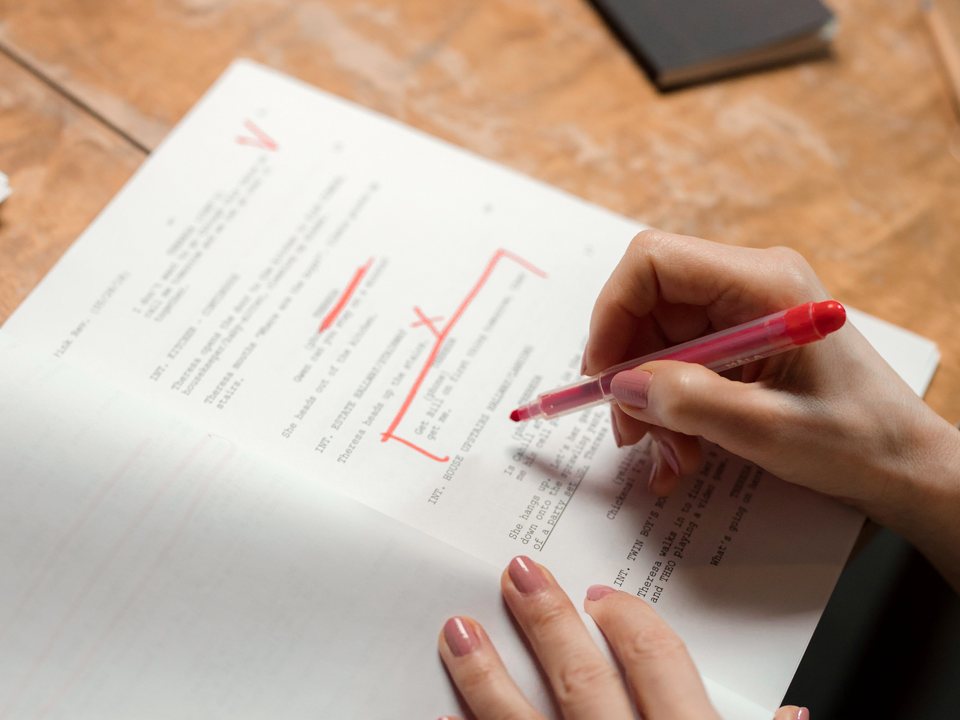
Editorial work is a conversation, not a service ticket. The book changes shape here, and the author stays close to every decision about what changes.
- Structural and line editing
- Copy-editing and proofreading
- Author review at each pass — nothing changes without you seeing it
Design & Production
“How does it become a professional book?”
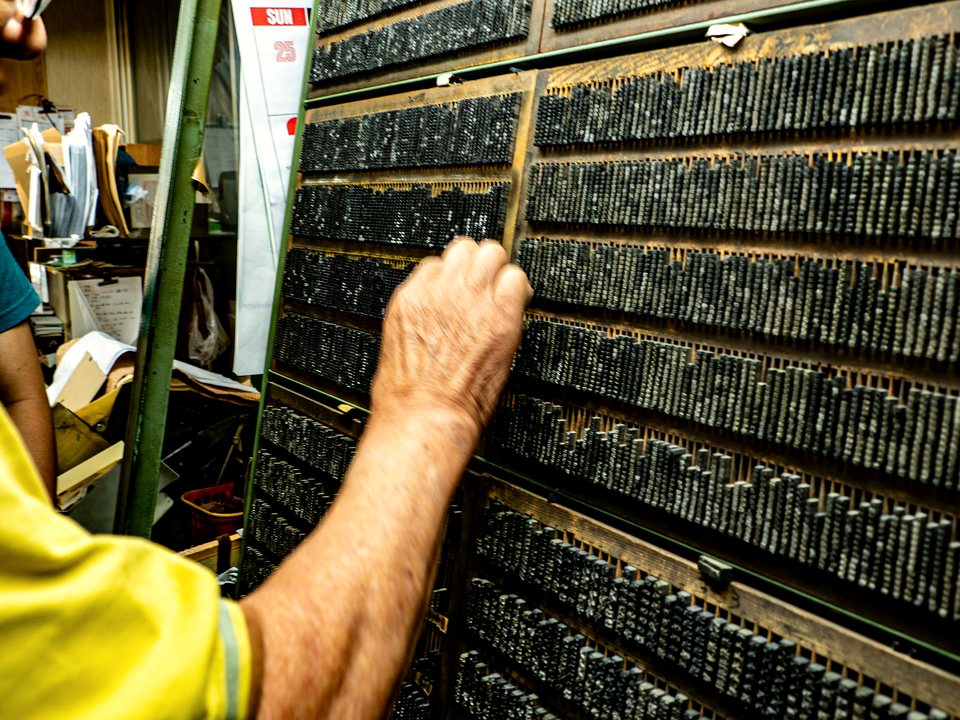
Cover, interior, typesetting and production files. This is the stage where a manuscript stops being a document and starts being an object with a spine.
- Cover design and jacket copy
- Interior typesetting and print-ready files
- Formats agreed per title: eBook, paperback, hardcover
Publishing & Distribution
“How does it enter the market?”
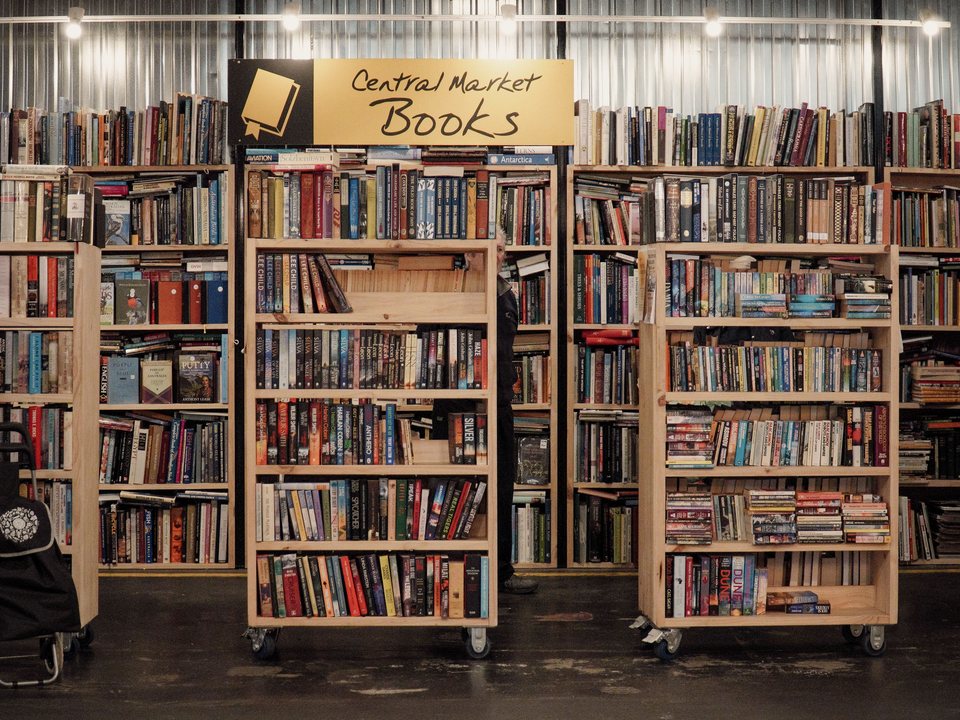
ISBN assignment, bibliographic metadata and distribution. The book gets its own ISBN and a proper catalogue record, which is what lets anyone other than us find it and order it.
- ISBN assignment and bibliographic metadata
- Distribution to Amazon and the book trade
- Retail listings the author can check themselves
Launch & Discovery
“How is it introduced to readers?”
The honest stage. We will tell you what we are doing and what it did. We will not tell you it will sell — no publisher can, and the ones who say otherwise are the ones to be careful of.
- Launch planning around the author's own audience
- Listing optimisation and metadata upkeep
- A record of what was done — reported, not promised in advance
The questions
we get most.
The practical ones. There is a longer list if you want it.
It depends on the book — its length, its condition and which formats it needs. You get a schedule with your proposal, and we hold to it. Ask us for a realistic range on the call and we will give you one rather than a marketing number.
A person, and you will know their name. Editing here is a conversation, not a service ticket. Nothing changes in your manuscript without you seeing it and agreeing to it first.
Amazon, and the wider book trade, so a shop or a library can order it in. Most titles on this site link straight to their own retail listing, so you can see exactly what that looks like before you talk to us.
eBook, paperback and hardcover. Which ones make sense depends on the book; a children's picture book and a business paperback want different things, and we will tell you which we would recommend and why.
Yes. Copyright stays with you and is never assigned to us. What you grant is a licence to publish, set out in writing with its scope and term before you sign anything.
A person reads what you send. Then we come back to you about the book and what publishing it with Grand would involve. No proposal, no quote and nothing to sign before that conversation.
Send us
the book.
Three steps. The longest part is us reading it.
As it is.
One representative chapter and a line about what the book is trying to do. It does not need to be finished, and it certainly does not need to be polished.
Your work stays yours. Always has.