
Thirty seconds of your book.
A cover is a still object in a feed that moves. A trailer is the same book in the one form the scroll actually stops for — and it is thirty seconds of work you keep every file of.
Four cuts
from one shoot.
A trailer is not one film. Making one and cropping it is why most author trailers perform badly.
- 01
The vertical cut
9:16, for Reels, TikTok and Shorts, built to work with the sound off and a caption doing the talking. This is the one that travels.
- 02
The landscape cut
16:9, for your website, your Amazon A+ content and anywhere a page has room for a proper frame.
- 03
The square cut
1:1, for feeds and ads, where a vertical film gets cropped and a landscape one gets lost.
- 04
The six-second hook
The opening, on its own, for paid. If it does not hold in six seconds it will not hold in thirty, and testing that cheaply is the point.
The reel,
as it fills.
We are clearing our finished trailers with the authors before putting them on a public page, which is the right way round and slower than we would like. Ask on a call and we will send you the current set the same day.
The cover
sets the film.
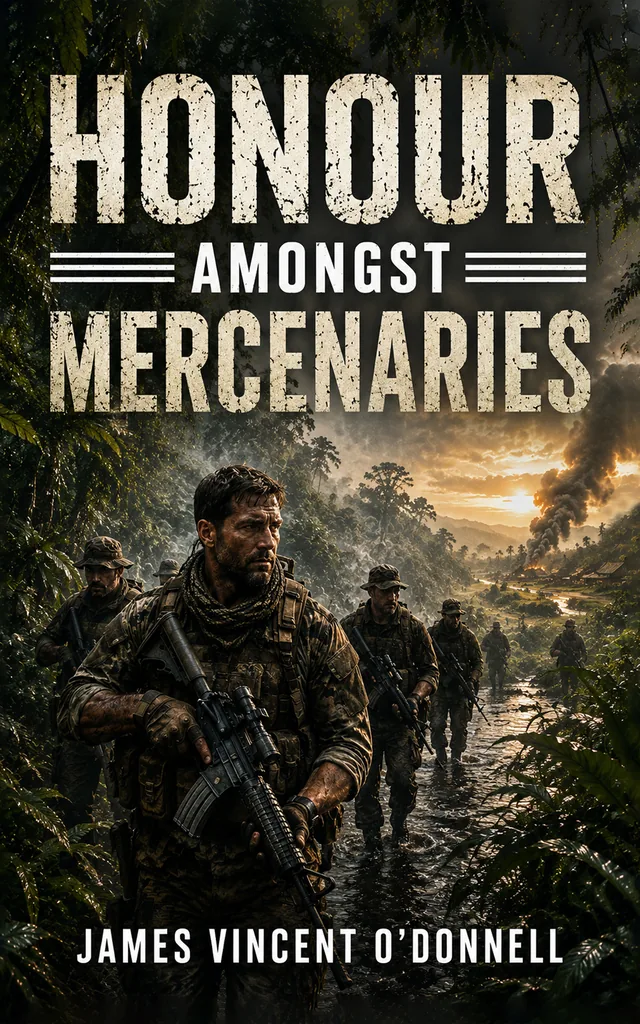
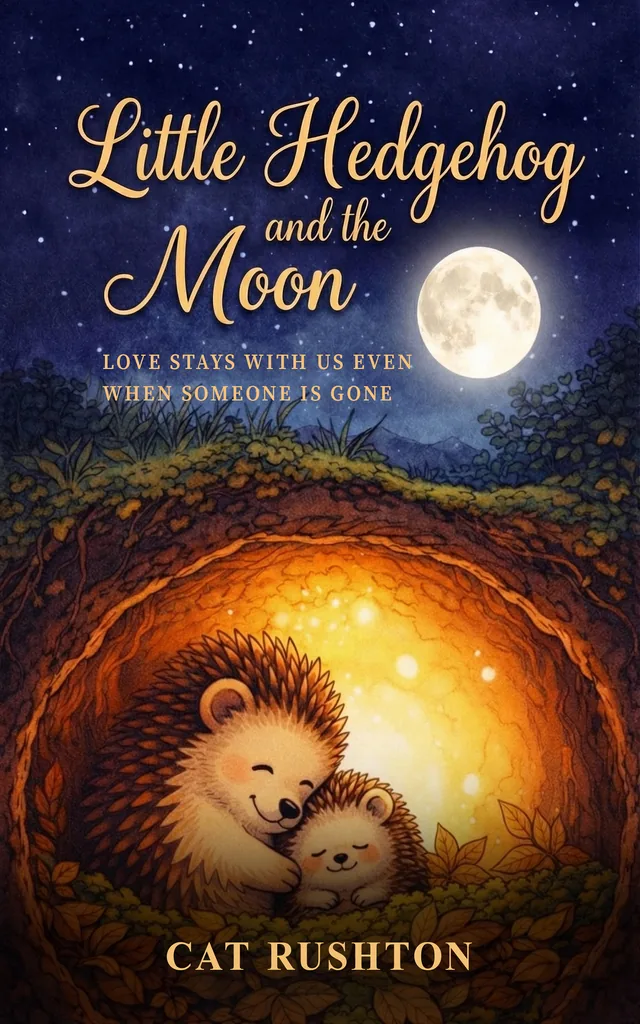
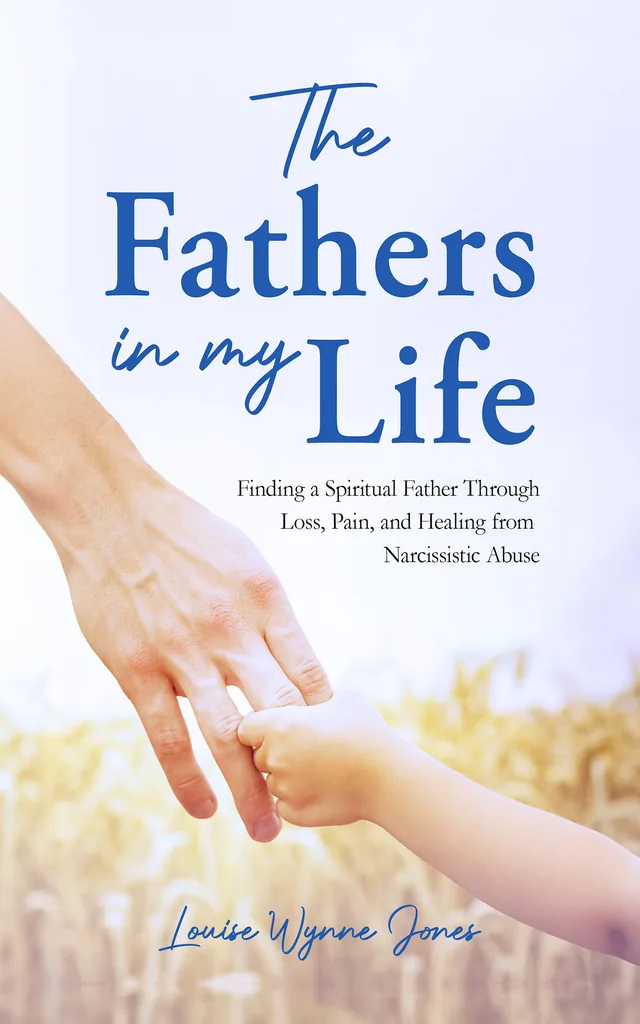
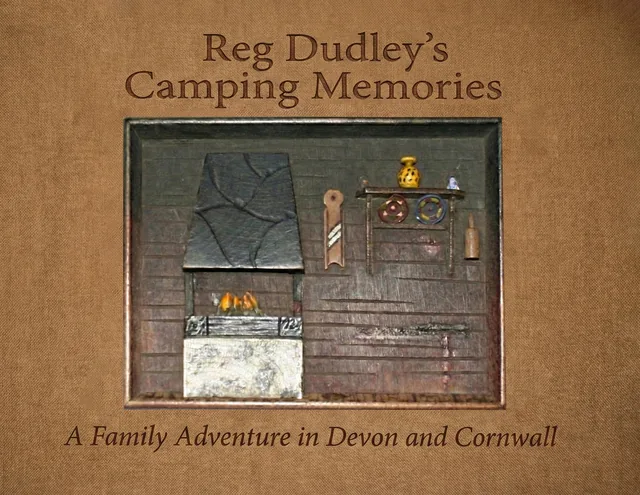
Typography, palette and pace all come off the cover, so the trailer looks like the book rather than like a template. Every cover here was designed in this building — open one and you are looking at the source material.
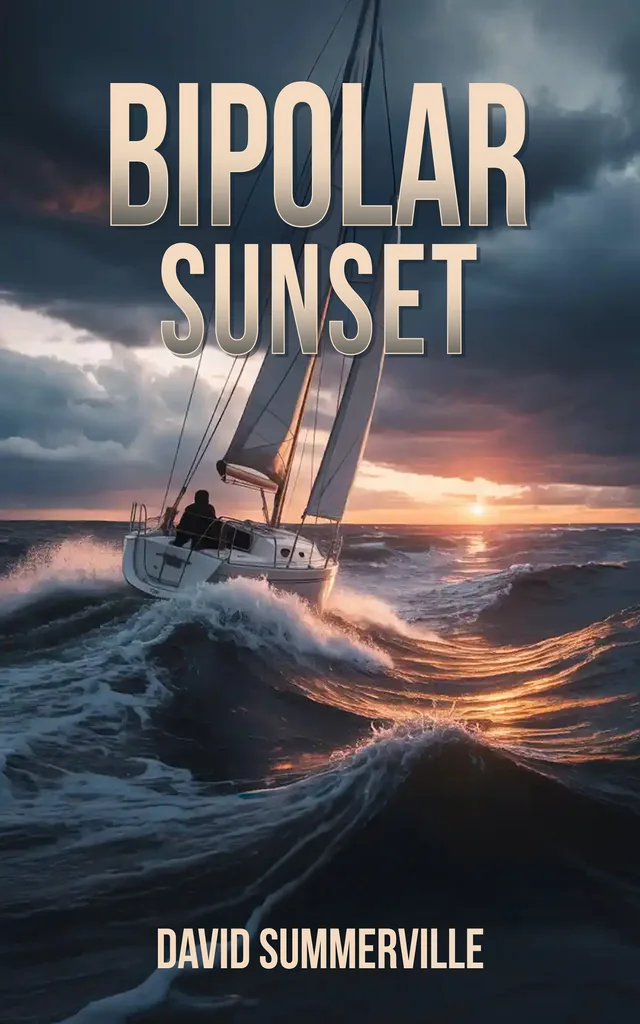
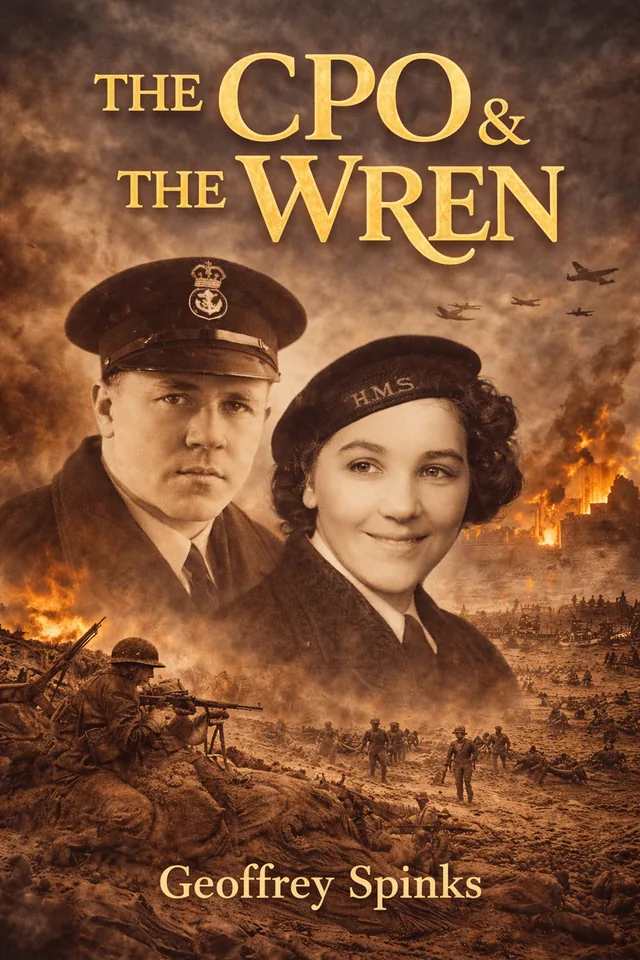
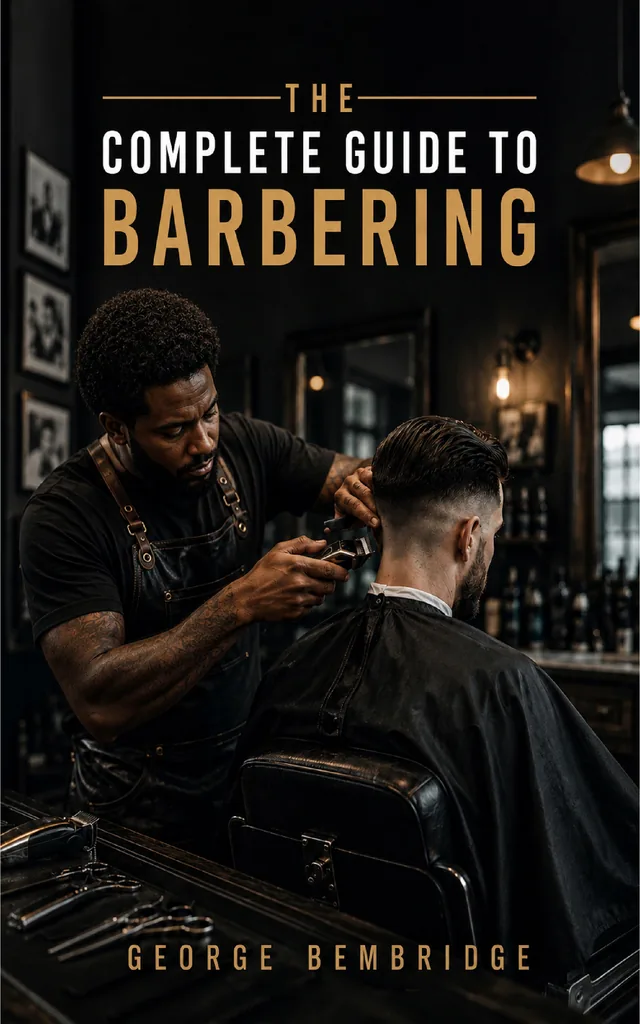
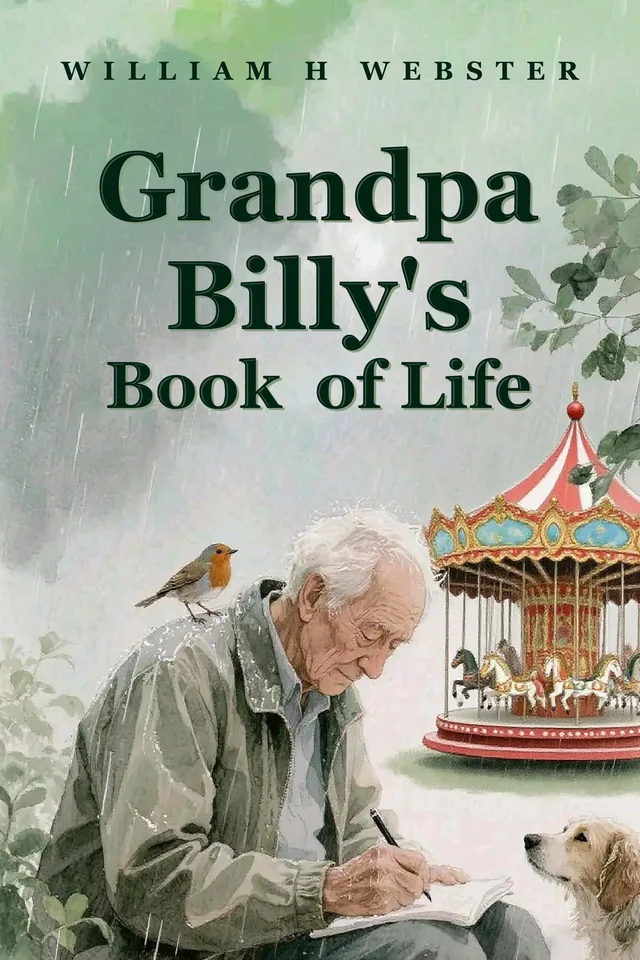

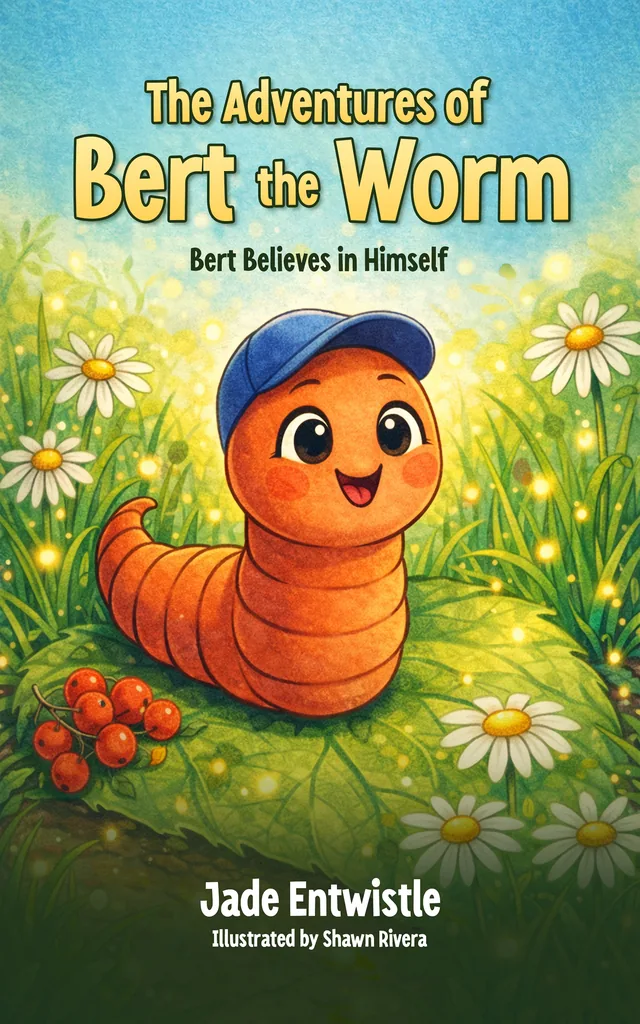
Bipolar SunsetDavid Summerville
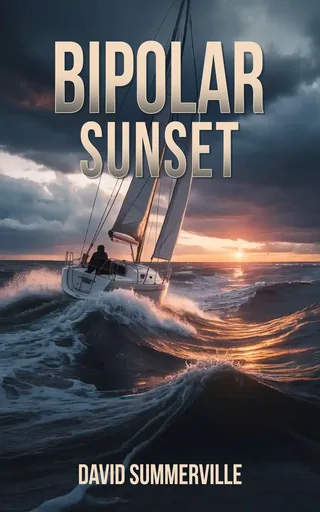 Bipolar SunsetDavid Summerville
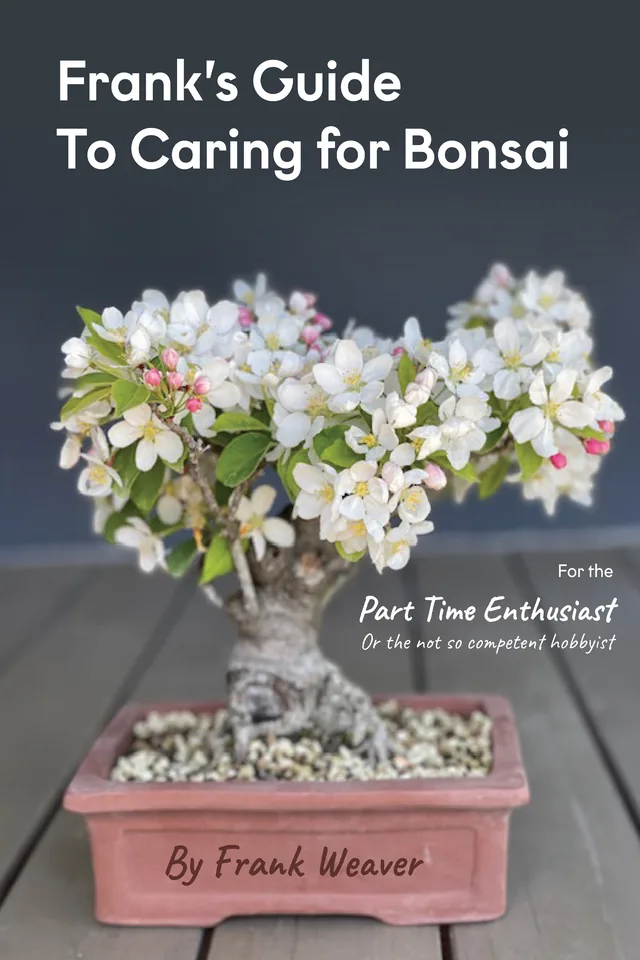
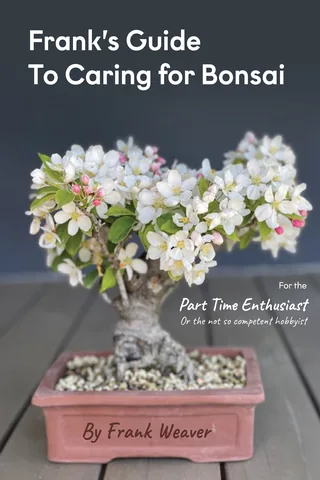 Frank's Guide to Caring for BonsaiFrank Weaver
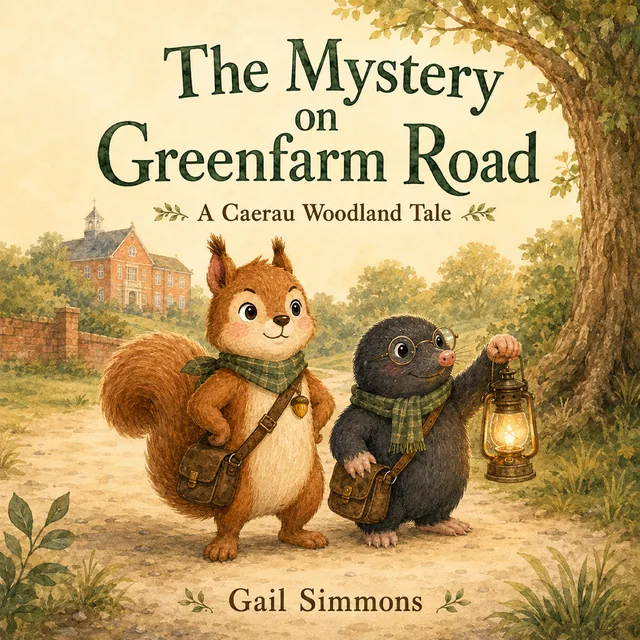
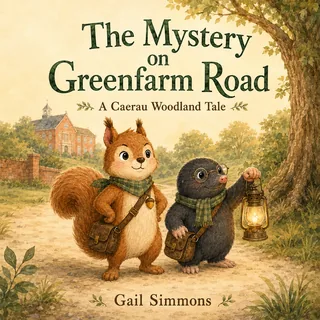 The Mystery on Greenfarm RoadGail Simmons
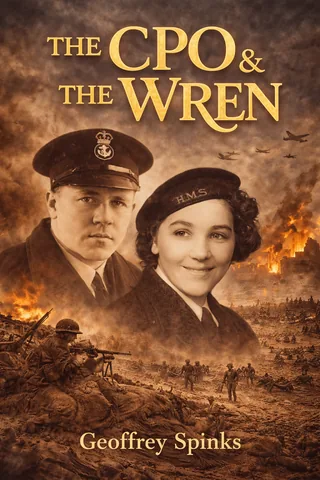 The CPO & The WrenGeoffrey Spinks
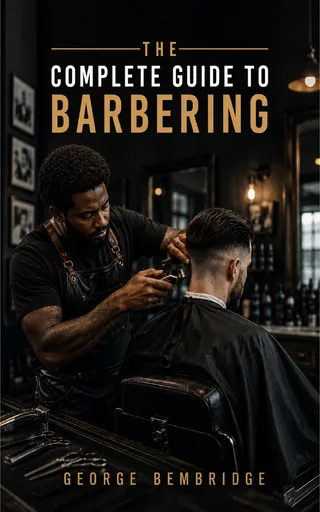 The Complete Guide to BarberingGeorge Bembridge
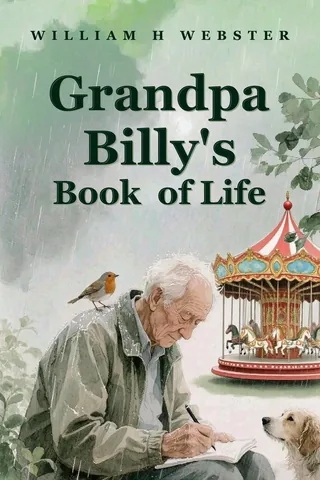 Grandpa Billy's Book of LifeWilliam H Webster
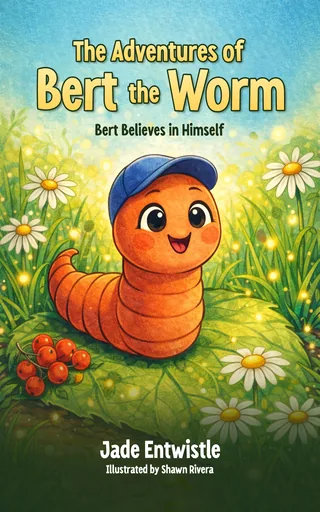 The Adventures of Bert the WormJade Entwistle
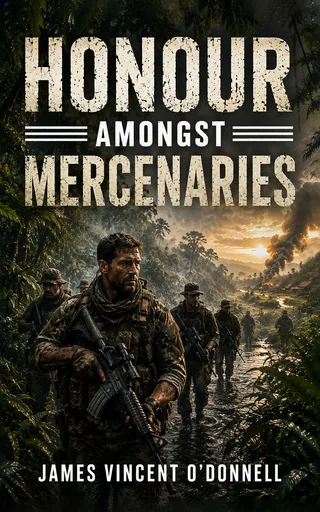 Honour Amongst MercenariesJames Vincent O'Donnell
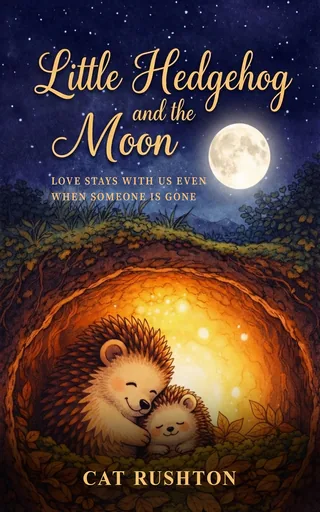 Little Hedgehog and the MoonCat Rushton
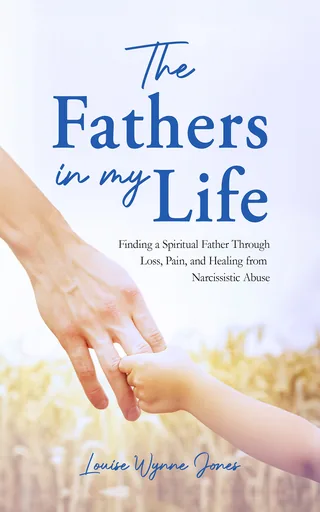 The Fathers in my LifeLouise Wynne Jones
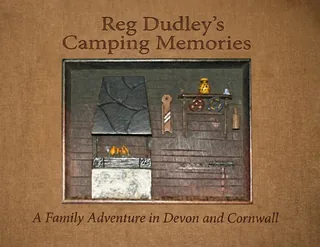 Reg Dudley's Camping Memories
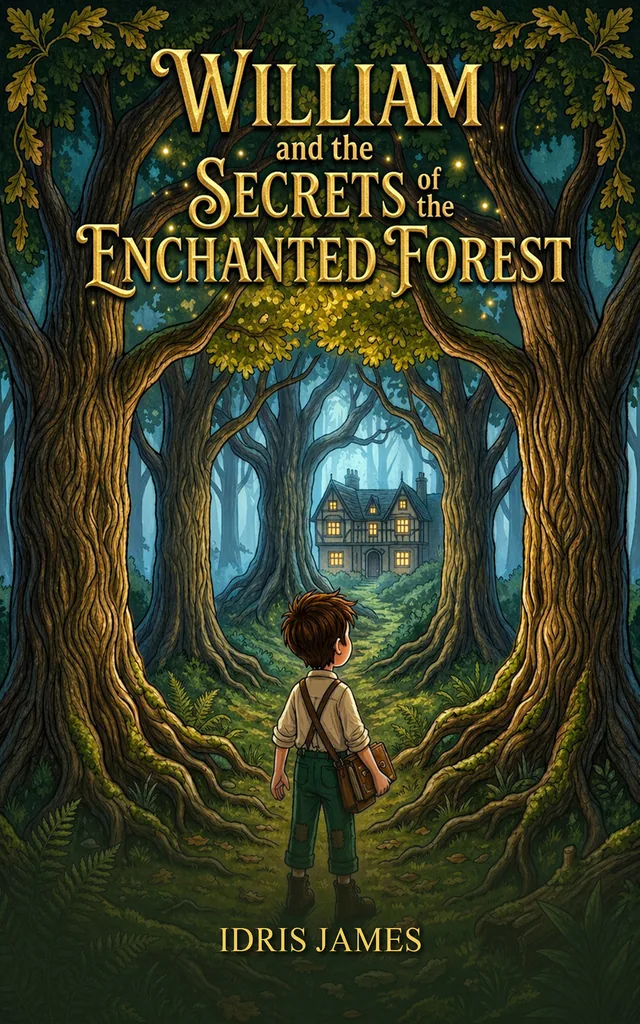
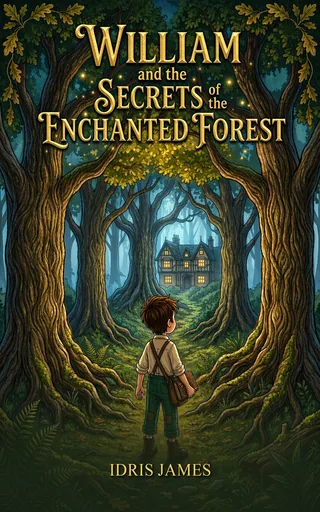 William and the Secrets of the Enchanted ForestIdris James
Script,
then everything else.
- 01
We find the one line
A trailer has room for a single idea. Not the plot — the reason somebody would want to be in this book. That line is the whole job and it is agreed before anything is shot.
- 02
You see a storyboard
Frames, text and pacing, on paper. Changing a shot here costs a conversation. Changing it in the edit costs a day.
- 03
It gets made
Footage, typography drawn from your cover, sound, and a voice if the book wants one. It should look like the book, not like a template with your title dropped in.
- 04
You get every cut and every file
All four ratios, captions burned and separate, and the master. Yours, for whatever you want to do with it later.
What a trailer
is actually for.
The honest version, because trailers are sold badly and often. Almost nobody buys a book straight from watching one. What a trailer does is get a book *seen* by people who were never going to encounter it — because video is the only thing a social feed reliably shows to strangers, and a still cover is not.
So the measure is not sales from the trailer. It is reach, and what that reach feeds: profile visits, a click to your site, a follow, an email address. Judge it on whether it put your book in front of people who had not heard of you.
Why sound-off matters more than the music
The overwhelming majority of feed video is watched muted. A trailer whose meaning lives in a voiceover is a trailer most people experience as a silent slideshow. The text on screen has to carry it on its own, and the sound has to be a bonus for the people who turn it on.
Why we make four versions
A vertical film cropped to a square loses its edges; a landscape film in a vertical feed is a stamp in the middle of a screen. Every platform wants a different shape, and the cost of cutting four from one shoot is small. The cost of running the wrong shape is that nobody watches it.

Trailer
questions.
Not unless the book is yours in a way that makes you the story — memoir, usually. Most trailers work better as the book's world rather than the author's face.
Fifteen to thirty seconds for the main cut. Longer than that and the completion rate falls off a cliff, which is the number the platforms actually use to decide who else sees it.
Yes, and that is where the six-second hook earns its place. Every file is yours, including the master.
It will get the book seen by people who would never have found it. Whether they buy depends on the book, the cover and the price — which is true of every marketing thing anybody will sell you, and worth being sceptical of when somebody claims otherwise.
What is the one line of your book?
If you can say it, we can film it. If you cannot yet, that is the first thing we would work out together.