

Publishing puts the book in the world. This finds it readers.
Two different jobs, and most authors are left alone for the second one. Everything below is something we have already made for somebody, and you can open all of it.
What our authors say, where we cannot edit it
Pulled straight from Trustpilot's own API and not retyped. Many were written by authors whose books and sites are further down this page, so you can read what somebody said and then go and look at the work they said it about.
- Absolutely incredibly helpful team
Absolutely incredibly helpful team. Happy for feedback and to help my vision come to life! David and Arthur have guided me through the whole process and I cannot wait to move even further forward on this!
Jay McCabe - Amazing experience with Grand Publishers
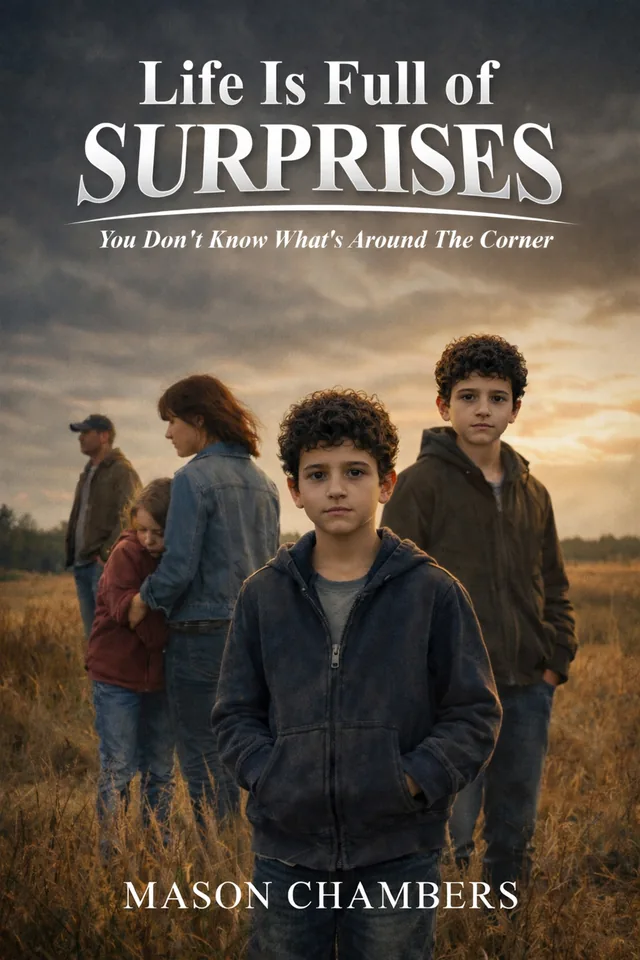
I did a lot of research into different publishers before deciding who I wanted to publish my book, Life Is Full of Surprises, You Don’t Know What’s Around the Corner, and Grand Publishers came out on top for me. What can I say about Grand Publishers? They have delivered everything that was agreed when I first signed up with them. Jason, David and the whole team have supported me every step of the way throughout the publishing process, from getting the book ready for publication to the marketing and promotional side. I would like to say a huge thank you to Jason, David and the entire Grand Publishers team for all your hard work, support and encouragement. It has been fantastic having you alongside me on this journey. I’m extremely proud to see my book published, and I’m looking forward to continuing this journey with you all as we work towards Seasons 3 & 4. Thank you, Grand Publishers, for believing in my work and supporting me every step of the way. Here’s to the next chapter! 🚀
Jay Robertson - First time author
I am in the process of having my first children’s book published by Grand Publishers. As a new author I required guidance and advice in order to bring my book up to publishing standards. Grand Publishers provided me with this help and advice when I was introduced to Project Manager, David Alonzo and Marketing Manager Jason Parker. They understood my vision for the book and were respectful of keeping the style of the hand painted illustrations and author voice as authentic as possible. As the Project Manager, David Alonzo was my point of contact throughout the process. He was very open to answering my questions and suggestions during the editing process. David went above and beyond, guiding me from start to finish, explaining everything in detail. His patience was very much appreciated as was his availability when I required assistance or clarification on details. He was very responsive and would call or message whenever I needed help or information, despite his very busy schedule. His enthusiasm and love for his chosen career in publication, his professionalism, and his guidance for me during this process was impressive. His support and dedication for first time authors was invaluable. The service that David and his team provided was excellent. I would absolutely use the service of Grand Publishers in the future if I were to create another book. I would highly recommend using Grand Publishers.
Pauline - Grand Publishers especially David Alonsa were brilliant
Grand Publishers especially David Alonsa extremely helpful and talked me through everything. He was also very patient with me.l would certainly recommend you all and have already done so
Gail Simmons - Book publishing and promotion
Jason and David and the team have worked hard to get my second book into the public eye, and have made some really good social media pictures and promotions. "The CPO & The Wren" is now selling on both sides of the Atlantic. Geoffrey Spinks
Mr Geoff Spinks - I can't tell you how amazing it has…
I can't tell you how amazing it has been working with Grand Publishing. From the very beginning, the experience has been outstanding. When I first reached out, I wasn't even sure if I wanted to publish a project I had been working on for quite some time. Jerry gave me a call and patiently walked me through the entire process. He answered all of my questions and genuinely motivated me to move forward with publishing my book. I was then introduced to David Alonso, who became my project manager. He has been fantastic throughout the journey, keeping me updated every step of the way, answering any questions I had, and making the whole process smooth and stress-free. As a first-time author, I couldn't have asked for a better experience. If you're hesitant about publishing, I'd encourage you to speak with the team. If you don't come away from that conversation feeling confident, then I'll have to call myself a liar! Thank you, Grand Publishing, and especially Jerry and David, for making this such a positive and memorable experience.
Booker Odena - Outstanding Service from Grand Publishers
I had a very positive experience working with Grand Publishers. As a new author, I really needed guidance throughout the process, from editing to preparation for publication. David and Jerry, who were incredibly helpful, professional, and supportive, made a significant difference. They took the time to explain each stage clearly and did an amazing job with the marketing, illustrations, and overall development of my book. Their dedication to making the final result as strong as possible was exceptional. I would highly recommend Grand Publishers, especially David and Jerry, who were fantastic to work with.
Juliet - My book, In my happy place.
Some while ago I submitted a raw manuscript to Grand Publishers. Honestly, at first I was cautious about their enthusiasm, in fact I thought it a sales ploy. How wrong I was! The project has been managed by David Alanza, with input from Arthur J Wayne the marketing director. At every stage I have been afforded full control of the artistic direction and have now got a highly polished book that I could never have produced. I'm now in the launch phase and the marketing so far is beyond my wildest dreams. I know that there's much more to come, but wanted to highly recommend anyone with a book that they believe in to listen to and trust Grand. To verify everything I've said, please search Vernon Smith I my happy place and see for yourself.
Vernon Smith - Helpful and professional
Helpful and professional
Elikem Debrah - Understanding and supportive
I worked with Grand Publishers for my debut picture book, and overall I had a positive experience. As a first-time author, I didn't know what to expect, and the process did take longer than I initially anticipated — but what really made the difference was the support I received from David and the team throughout the journey. They were responsive and genuinely cared about the project. They also took my budget constraints seriously and gave me the flexibility to make decisions that worked for me. If you're a new author looking for a publisher, Grand Publishers is worth considering.
Anne - Grand Publishing LLC made me realise that it is not always about money, they regarded my story as a painful piece of creativity.
I am a 62-year-old British man and partially disabled. Four years ago, my wife left me with our two young boys, who were just five and seven at the time. It was an incredibly difficult period in my life, and writing my book, The Two Faces of Venus, became a way of telling my story and helping me move forward. When I finished the manuscript, I found it very difficult to get it published. Some publishers weren't interested, while others quoted fees that were simply far beyond what I could afford. I was beginning to lose hope until I found Grand Publishers. From my very first conversation with them, I felt that they genuinely cared about both me and my book. They offered me a publishing solution that was affordable for my circumstances, and throughout the entire process David and Jerry have been outstanding. They have been patient, professional, supportive, and always willing to answer my questions and guide me through every stage of the journey. Publishing a book can feel overwhelming, especially when it's your first time, but they made the experience enjoyable and gave me the confidence to keep going. I am genuinely grateful for everything they have done for me and for believing in my story. Based on my own experience, I would happily recommend Grand Publishers to anyone looking for a supportive and professional publishing partner.
Abdul Al-Ghalibie - Grand publishers.Great experience working with t new…
Great experience working with the new member of the team at Grand. David Alonzo has worked tirelessly to get the book launched on time for Father’s Day. Yay! My book ‘The Father’s in my Life’ was published on Amazon and other platforms right on time. I recommend Grand publishers for the quality of work they produce and the sensitive and considerate aspects of pulling together a finished work. I have a book to be proud of thanks to David’s patience and grounded approach to finalising the publication. Thank you 😊
Louise Wynne-jones - David
David was very helpful especially towards the final stages of publishing answering any questions I had. Very thorough and patient and really cares about his work. I'd definitely recommend his help 😀
Jade Entwistle - Publishing my first novel has been an…
Publishing my first novel has been an incredible experience, and I’m grateful for the support I received throughout the journey. From the very first meeting, the process was clearly explained and the available options were laid out in a way that made everything feel manageable. I was assigned a project manager, and from that point onward the entire experience was smooth and well‑organised. During the editing phase, my project manager, David Alonzo, became more than just a professional contact—he became like a brother to me. I genuinely appreciate him. His professionalism, patience, and genuine commitment to the project were matched by the rest of the team at Grand Publishers, who worked diligently to ensure the best possible outcome. Today, my novel sits proudly on the shelves of major booksellers, Amazon, and other platforms. I couldn’t be happier with the result or more appreciative of the team that helped bring my story to life.
Ade Akinsemolu - I cannot rate highly enough
I cannot rate highly enough. The Rooted Soul is my book and they took care of me and it from day 1. You get much more than you pay for with Grand. Amazing publishing house with great care and attention to detail.
Alan - I have really benefited from the…
I have really benefited from the expertise of David and his team in bringing my book to completion. They were always available and ready to give their advice and encouragement. They made many great suggestions to help improve the book. I would highly recommend Grand Publishing to any prospective author. Publishing can be a daunting prospect but with the help of David and his team it was seamless. Many thanks.
Mark Short - David
David! What can I say…. What an amazing person you are. I can’t thank you enough for all the kind words of support, guidance and encouragement you have given me throughout this project. I felt totally overwhelmed a few times and there you were to set my mind at ease and reassure me that everything will come together in the end. You were right! I stand here today with my first completed book in my hands! From illustrations, to formatting, you advised and guided me along the way. I felt like I was apart of a team! My voice and vision was heard and acknowledged. I can’t thank you and Grand enough and I very much look forward to our next project together. Samantha Parrett Author of ‘Max and Lulu learn to understand emotions’ (Eeeek! An author! Me! Still feels surreal)
Samantha Morgan - The fast turn around as well as clear…
The fast turn around as well as clear guide of the process as this was my first book
Mr Augustine - The Grand Publishers have been amazing
The Grand Publishers have been amazing, as a first time author I was very anxious about publishing but my whole team in particular David have been so supportive and have helped me along the way. Any questions I have had have been answered promptly and all discussions were all ran through me. My children's book is about to be published and I'm sure if it goes well I will be back with Grand for my 2nd book.
catherine rushton - As a first time author Grand Publishers…
As a first time author Grand Publishers did a fantastic job of editing my manuscript and publishing my book, "Bipolar Sunset". In particular Ava, Jason and David were extremely knowledgeable and helpful.
DAVID SUMMERVILLE - I used Grand Publishers for Book…
I used Grand Publishers for Book Branding, and the visual direction they created truly matched my concept. The cover design and overall branding elements looked modern and cohesive. They listened carefully to my ideas and translated them into a professional presentation. The process was structured and efficient. I now feel confident presenting my book to readers and retailers. Their branding support made a real difference.
Aven CalderVerified - A Big Thank you!
I would like to express my heartfelt thanks to Travis Hunt of Grand Publishers for his invaluable assistance in the production of my second book, “Timmy and Popcorn’s Magical Reunion.” Travis, along with his dedicated team, has provided unwavering support and guidance throughout every stage of the publishing process. Their encouragement and professionalism have been instrumental in bringing my book to life, and I am truly grateful for their help and commitment. Sylvia Hyam
Sylvia Hyam - Worth it!
I have been working with Grand Publishers for 5-6 months now and the experience had been fantastic. The team is going above and beyond to prepare my dark romance for the world. Phenomenal service! Communication is fantastic. If you have real drive to get your book out there I do recommend working with Grand Publishers. I am very impressed and will continue to sing my praises. Arthur, David, Travis and Ava have been hands on and constantly thinking of ways to step to the next level. Very happy! Peak professionalism and passionate about their projects. I will be coming back to Grand Publishers to help out with my future works. That's a no brainer.
Ernesta - You handled the process professionally from start to finish
I experienced your professional approach to book publishing. I would especially like to appreciate Ava for her tireless efforts in keeping me informed with regular updates on the progress. I also appreciate every member of the team for a job well done.
Promise - I chose Grand Publishers to publish my…
I chose Grand Publishers to publish my children’s book, and they handled every detail beautifully. From illustrations to layout design, everything was done with a strong sense of creativity and professionalism. They helped refine my story to make it more engaging for young readers while keeping my original message intact. The team was patient, ponsive, and genuinely invested in the project. The final printed book looked vibrant and high-quality, exactly what I hoped for. A great experience overall!
Hildegard Dewalt - My identity as an author was greatly…
My identity as an author was greatly aided by Grand Publishers. For my genre and target audience, their marketing and branding team developed a strategy. They created an eye-catching cover, promotional images, and a unified concept for all platforms as part of their powerful visual identity. Their well-run promotions reached thousands of new readers and gave my book launch significant momentum. The best part was how they described each process without using technical jargon. Besides they monitored statistics and modified the campaign according to its effectiveness. By the end, my book acquired a level of visibility that I couldn't have attained on my own. I felt like a legitimate author thanks to their branding support.
Luke Thompson - They kept regular contact throughout…
They kept regular contact throughout and answered my questions even in the evenings, which fitted around my work schedule.
Suzanne Jode - Working with Grand Publishers on my…
Working with Grand Publishers on my Publishing journey was the best decision I could’ve made. From formatting to distribution, they handled every aspect like professionals who truly understand authors. They guided me through ISBN registration, print layout, and even global reaes options I didn’t know existed. The team was transparent and responsive throughout. Seeing my book finally live on Amazon and in stors felt like a dream realized. I'll definitely be coming back for my next project.
Asher Bell - Publishing my first Children’s book…
Publishing my first Children’s book with Grand Publishers was such a wholesome experience. They understood exactly what I wanted bright visuals, simple language, and a heartwarming tone that kids could connect with. The illustrations were absolutely adorable and perfectly matched my story. The team handled editing and formatting so smoothly that I didn’t have to worry about a thing. Their marketing tips even helped me reach local schools and parents’ groups. I’m already planning my next book with them!
Grace Jane - Grand Publishers helped me establish my…
Grand Publishers helped me establish my Author brand from scratch. They worked on my aurhor bio, visuals, and social presence with creativity and strategy. The branding gave me confidence and made my book stand out instantly. I could tell they really understand the publishing indutry and reader psychology.
Alberta - Hi everyone that is my review of Grand Publisher
Hi everyone that is ready to publish. I had a great experience with Grand Publisher. There formatting and editing was great Nice increase of my story to bring it to Book size on content. Cover and illustration great . It as so was produced at a affordable price. As most first time Authors are watching the pennys. My book Suicide Con was my first of a series of 5 books. Can't wait to get 2 nd book published now. Garry Moore Pen name MATT FOX
Garry Moore - Grand Publishers built my author brand…
Grand Publishers built my author brand from scratch, boosting my book’s presence with smart, creative strategy.
Elida Strixner - I’ve always been protective of my…
I’ve always been protective of my poetry, but Grand Publishers treated my words with real care. They refined the layout and helped me create a minimalistic yet elegant Book Design. I loved how they made the emotional rhythm of my writing shine through.
Klanty Farzana - As someone who had an idea but no clue…
As someone who had an idea but no clue how to write a book, Grand Publishers changed everything. Their Ghostwriting service helped me express my vision beautifully. The writer they paired me with was not only talented but also patient taking my messy notes and turning them into a story that felt deeply personal. Every chapter had heart and clarity. The communication was smooth and respectful, and deadlines were always met. I owe them my first published book!
Thomas David - New author’s must for support and inspiration.
I’m a new author with a quarter of a manuscript written and it was really great to get some assistance and support as well as encouragement and inspiration. Especially when I’ve thought a lot about giving up the dream I’ve held onto so many years. The support was outstanding and patient and understanding!
RadioMystic - Really do put the grand into publishing
I discovered Grand Publishers on Instagram, I've been toying with the idea for a while. The ad alone spoke thousands of words, this was the company to work with. Right away Zane made me feel relaxed, he gave me so much to think on, my options, what I want from the company. There was nothing he didn't cover, he was so friendly, not under pressure, no pushy sales , went with the flow. He was so open and honest how things worked, what he can do for me, how would it benefit me and how fast I'd like to get my book out on the shelf. Speaking to Zane, I feel much more positive & powerful that I will be taken seriously, someone will be interested in my work and we can work along side each other whatever way I chose. If you really are ready to get your manuscript to be published, use these guys as they really do put the grand into publishing, you won't be disappointed
Lynne Gerry - The entire experience of working with…
The entire experience of working with Grand Publishers was amazing. I entered with only a manuscript and left with a finished book that exceeded my expectations in both appearance and content. The team showed professionalism, patience, and a sincere love of sharing stories. Without altering my voice, they assisted me in making my writing more coherent and clear. The cover design looked amazing and went viral on the internet right away. The way they helped me with royalties, KDP setup, and Amazon listings was what most impressed me. Everything was transparent and efficient. I would recommend them to ant serious.
Lana LambertVerified - My idea was excellently realized by…
My idea was excellently realized by their Book Design Team. The cover art was lovely and nicely complemented the tone of my narrative. Before anyone ever read the book, I received praise! Also, they carefully structured the interiors for digital and print. Everything appeared balanced and crisp. Better design support could not have been asked for.
Mabel BakerVerified - I have been fortunate enough to come…
I have been fortunate enough to come across such a good team of individuals. I was worried about how to go about the editing of my manuscript and who to trust. Thankfully, trusting Daniel and Arthur paid off. Arthur is very easy to work with and has strong communication skills which made things smooth for me. RECOMMENDED!
Tony Cruz - Excellent Book Publishing services were…
Excellent Book Publishing services were offered by Grand Publishers from beginning to end. They made sure my book was of the greatest caliber by professionally handling every detail. Their team oversaw the production, formatting, and other requirements for a perfect publication. The print and digital versions of the book look amazing, and I'm really pleased with how it turned out. A genuinely talented team that helped me have a successful and stress-free publishing experience!
Ray D.Verified - Grand Publishers helped me bring my…
Grand Publishers helped me bring my book to life most recently and I'm really happy with their assistance! They were professional and considerate in every way, from the first consultation to the finished project. Their editorial skills really made my manuscript stand out, and their design team created an amazing cover. The team's commitment to making sure my book was polished and prepared for release was outstanding. Also, they helped me with the marketing process, which greatly increased the visibility of my book. Any author searching for excellence, dependability, and excellent support should definitely check out Grand Publishers!
Heidi ButlerVerified - It was easy to Publish with them
It was easy to Publish with them. From formatting to production, they handled it all, and they communicated quickly and clearly. Knowing that my book was well-cared for gave me total peace of mind. I strongly recommend Grand Publishers offerings!
Pegaso KirklandVerified - Grand Publishers is excellent
Grand Publishers is excellent! The team is responsive, proficient and really committed to ensuring the author has a successful and simple trip. An overall five-star experience!
Nina CarterVerified - My expectations have been totally…
My expectations have been totally surpassed by Grand Publishers! Their expertise and commitment were evident throughout the entire process from the first consultation to the final publishing. They heled me at every stage, making sure my book was not only released but also effectively promoted to the appropriate readership. My manuscript was expertly polished by the editorial team, and I'm in love with the cover that the design team came up with. The entire transaction was delightful and stress-free because of their attention to detail and dedication to quality. I'm really pleased with the outcome!
Jonathan BrandtVerified - Working with the Grand Publishers team…
Working with the Grand Publishers team was a pleasure! My novel was able to reach a much larger audience than I ever imagined because of their Book Marketing services. The sales have been outstanding, and I am incredibly appreciative of their knowledge and assistance during this process.
SamVerified
Somebody else
saying it.
A book described by its publisher is marketing. The same book in a paper with a masthead is a fact. These are live pieces, not summaries of pieces.






Live sites,
running right now.
Not screenshots. The real sites, live in this page. Click one and scroll it. Every domain is registered in the author's own name, and every mailing list sits in their account, not ours.
Four of them,
and who they belong to.
Every domain below is registered in the author's own name. That line on an invoice is the difference between owning the work and renting it, and it is argued in full on the websites page.
- Alan McDonald's site, in his name, for his poetry collectionA live author platform we built and he owns outright.therootedsoulbooks.com ↗
- Vernon Smith's, built around one book and its storyA single-title site: cover, sample, buy links, press page.inmyhappyplace.co.uk ↗
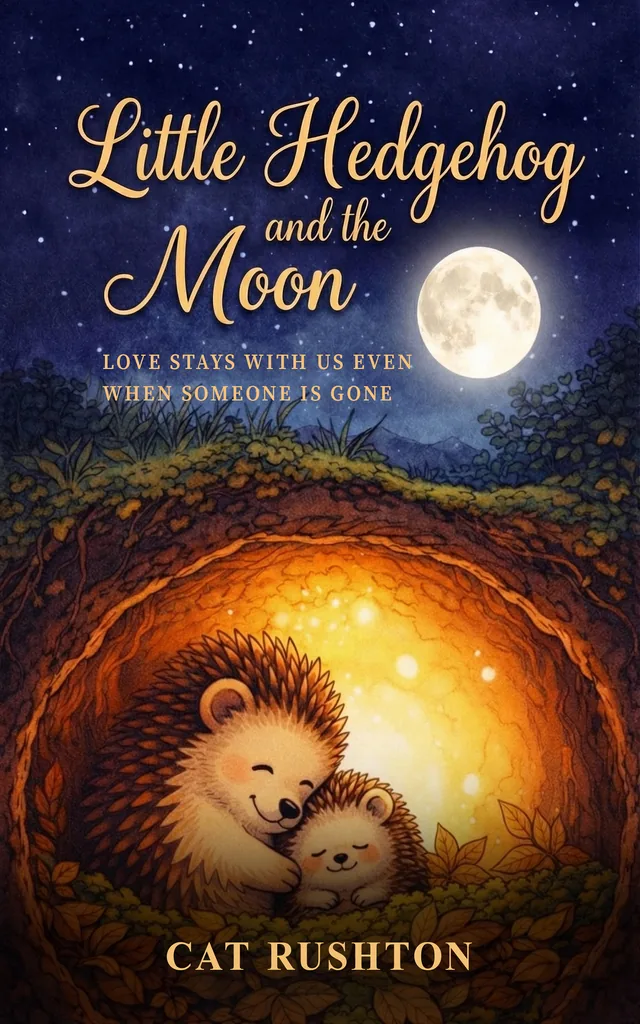
- Catherine Rushton's, for a children's picture bookA children's title needs a different site to a memoir. This is what that looks like.littlehedgehogandthemoon.co.uk ↗
- Helen Michael's, doubling as her teaching platformAn author site earning its keep beyond the book.helen4english.com ↗
Buy it for the record,
not for the feature.
This is the service most often oversold, so the useful question is not what a release can do at its best. It is what you are certain to get.
- 01
What is guaranteed
It gets written, it gets distributed to desks that cover your category, and it exists at a permanent address afterwards. That happens every time, whether or not a journalist reads it.
- 02
What is not
Coverage. Nobody can promise a journalist will run something, because it is not their decision to sell. Vernon reached the BBC and The Yorkshire Post because the story was there.
- 03
When to spend on it
When there is a story that is not the book — a trade, a life, a local connection. Without one, a release is a well-written page nobody has a reason to open.
- 04
The full argument
How the story gets found, how the release is written, and every placement we can point at — on its own page.
The one asset
a feed will show a stranger.
Everything else here works on somebody who already knows your name. Video is the exception: it is the only format a social platform reliably puts in front of people who have never heard of you.
- 01
What you are actually buying
One shoot, cut four ways — vertical, landscape, square and a six-second hook for paid. Not one film cropped three times, which is why most author trailers underperform.
- 02
When it is worth it
After the listing is right. A trailer sends people to a page, and a page that does not convert turns a good film into an expensive way to be scrolled past.
- 03
How to judge it
Not on sales. On reach, profile visits and email addresses — because that is the job it can actually do, and measuring it against sales is how authors conclude marketing does not work.
- 04
The full argument
What gets made, what it costs you in time, and the honest limit of what a film can do — set out properly on its own page.
Read the service
before you buy it.
Each of these has a page of its own, written to be read by somebody deciding whether it is worth the money. That is deliberate: a service you can only hear about on a sales call is a service you cannot compare.
- 01Author websitesThe one piece of the platform you own outright. Ours are running live further up this page — open one and scroll it.↗
- 02Press releasesWhat a release reliably buys, what it does not, and the placements we can point at.↗
- 03Book trailersFour cuts from one shoot, and how to tell whether one is working.↗
The unglamorous work
that decides everything.
None of this photographs well and all of it compounds. An author still selling books in year three is almost always the one who did these.
- 01Amazon A+ contentThe part of your listing below the fold, which is where an undecided reader goes before they buy.↗
- 02Amazon Author CentralSmall, specific, and the reason a reader who liked one book can find your others.↗
- 03GoodreadsWhere readers decide what to read next, and where your book is discussed whether you are there or not.↗
- 04Articles and blogsPublished pieces with your name on them, so a search finds something other than a shop.↗
- 05SubstackAn audience you own and can write to on the day the next book lands. Strongest for non-fiction.↗
- 06ARC and reviewsAdvance copies to readers who choose to review. Nobody is paid — that distinction is what stops a book getting pulled.↗
Rented attention,
spent in the right order.
Genuinely useful, and almost always bought too early. Paid traffic pointed at a weak listing is money handed to a retailer.
- 01
Amazon ads
Keywords, categories and bid strategy. Reported with dates and figures attached rather than as a ratio with no period next to it.
- 02
Reader promotions
Your book in front of people who already buy in your genre, on the days that matter. We run these; we do not name the services, because that is the part you are paying us to know.
- 03
Why the listing comes first
Wrong category and thin keywords make a book invisible for free. Fixing that costs nothing and doubles what every advertising pound afterwards is worth.
- 04
What we report
Spend, where it went, and what happened. Not a screenshot of a good week.
Every cover
was made here.
The catalogue is the portfolio. Open any title and follow it through to the shop it is sold in.
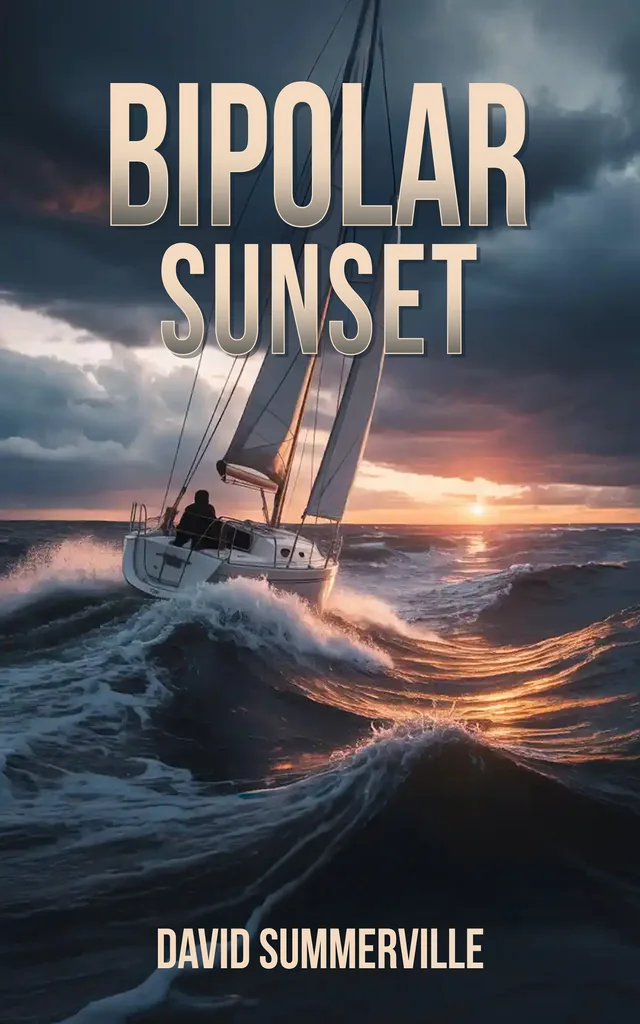
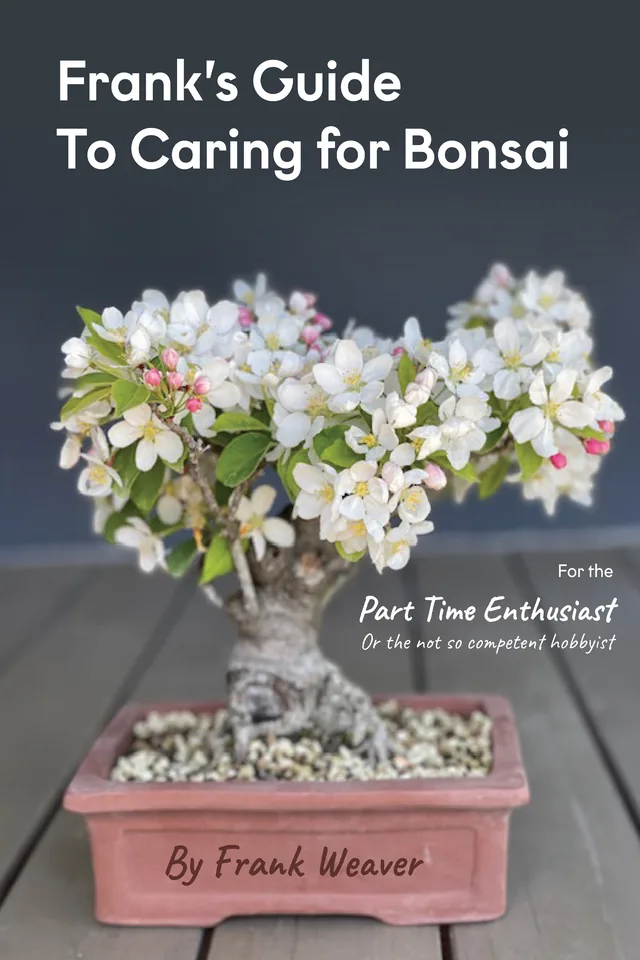
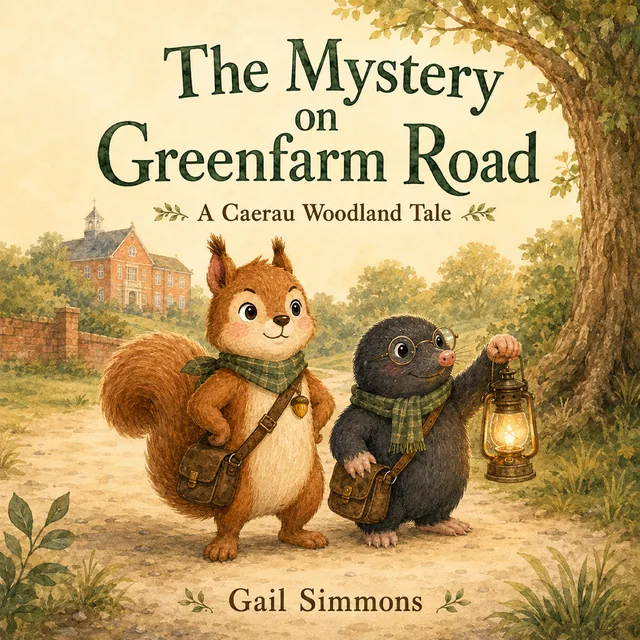
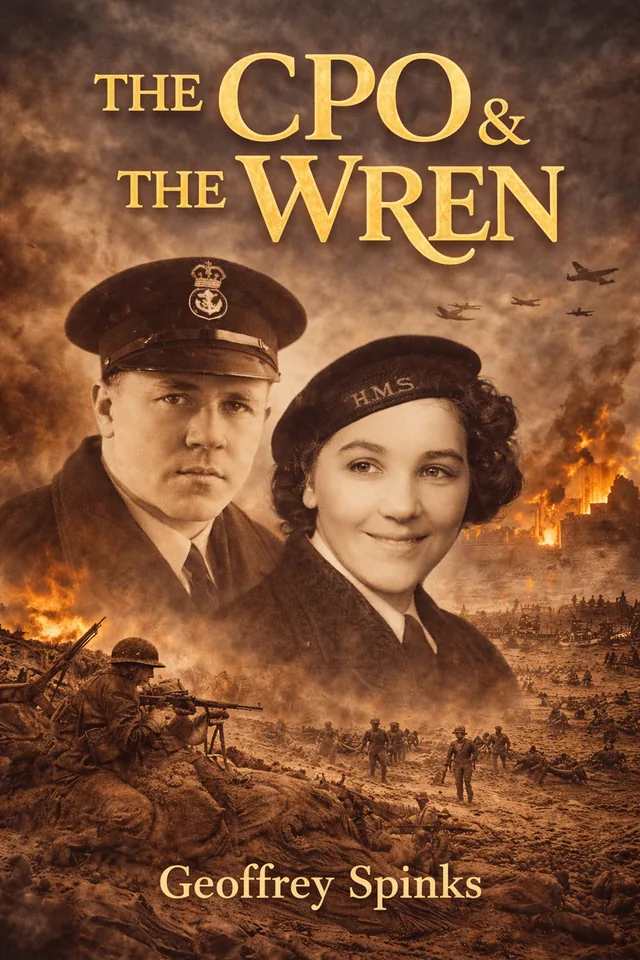
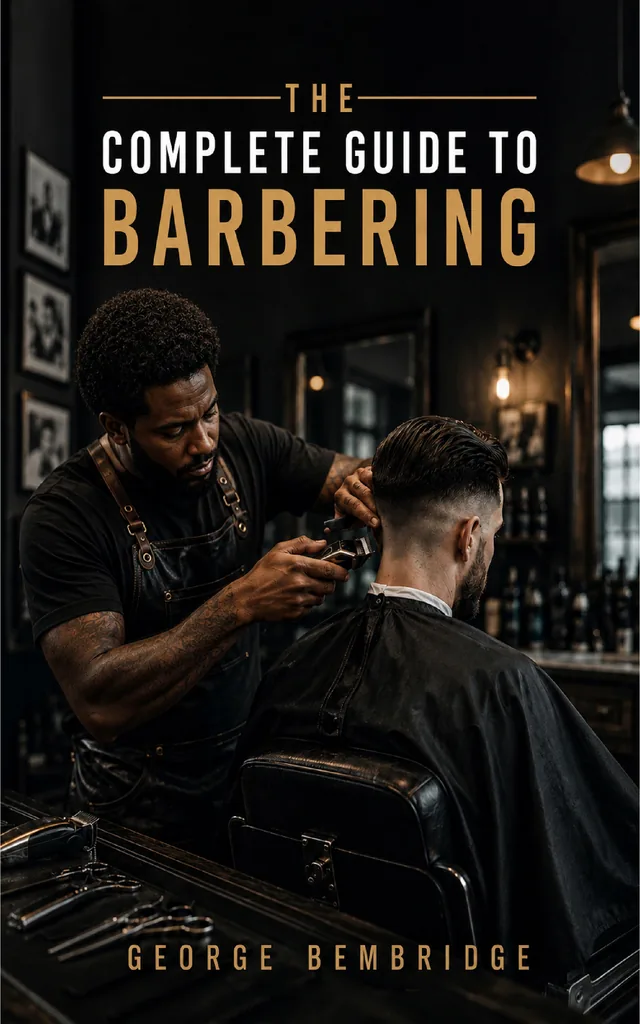
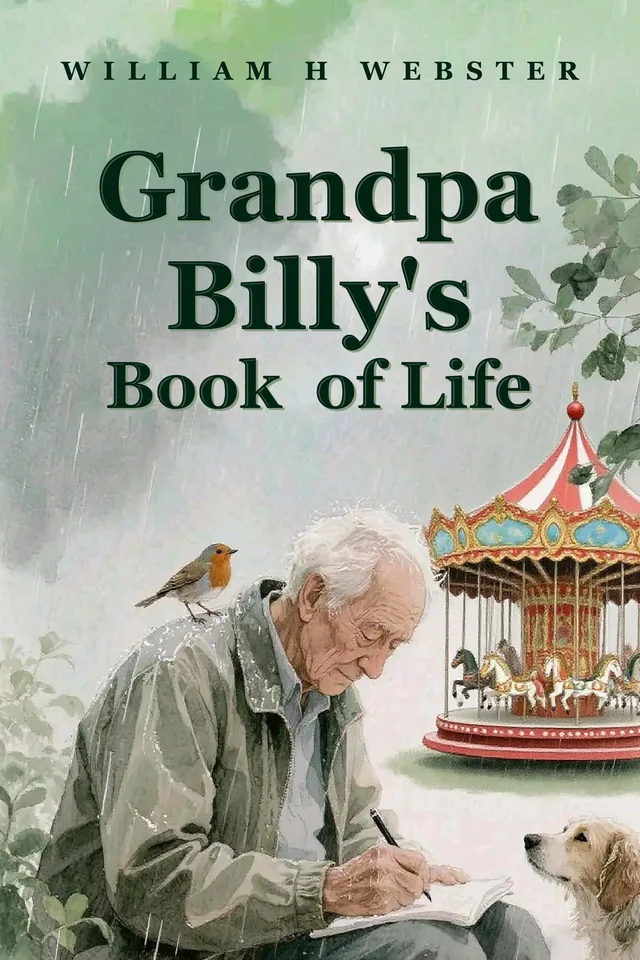

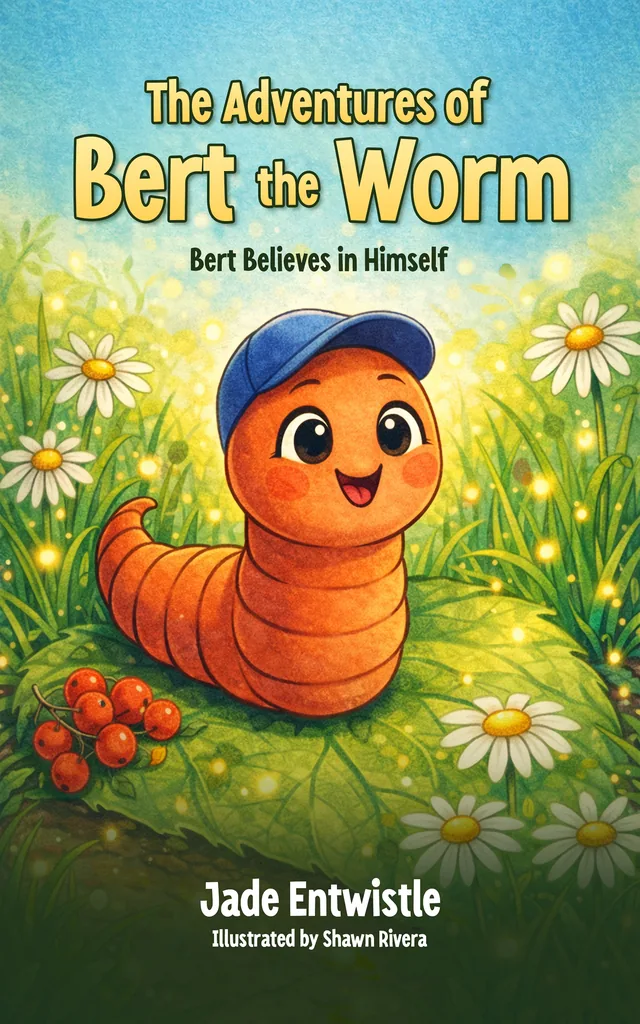
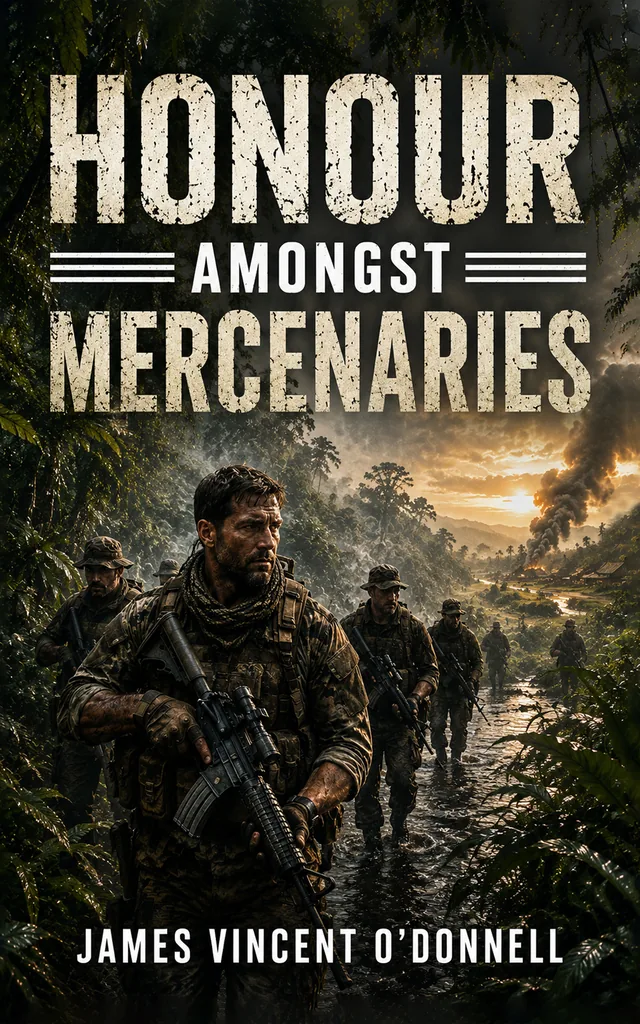



Bipolar SunsetDavid Summerville
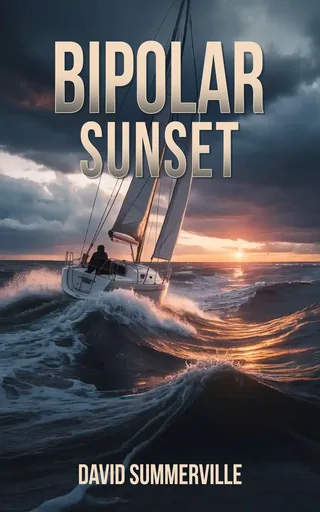 Bipolar SunsetDavid Summerville
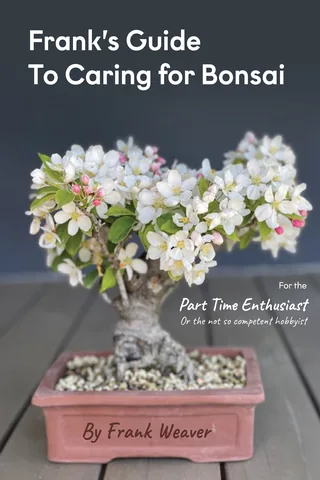 Frank's Guide to Caring for BonsaiFrank Weaver
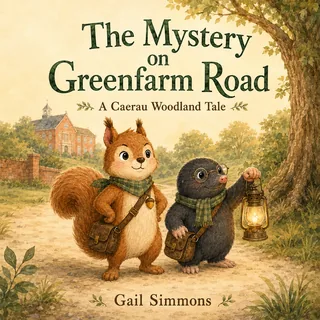 The Mystery on Greenfarm RoadGail Simmons
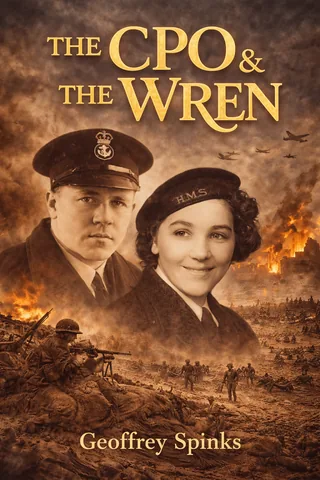 The CPO & The WrenGeoffrey Spinks
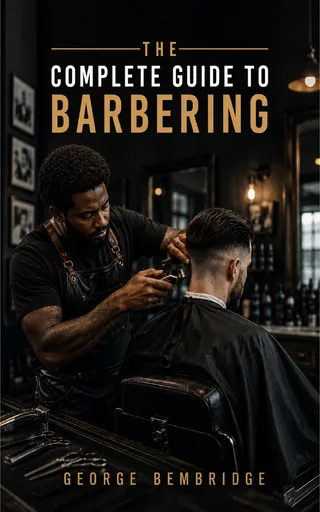 The Complete Guide to BarberingGeorge Bembridge
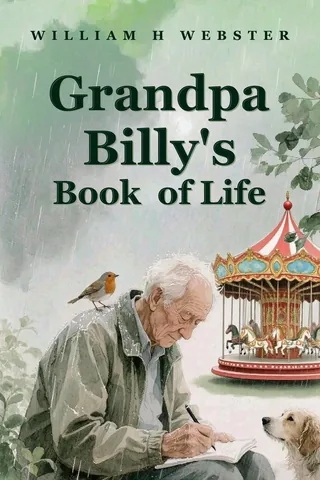 Grandpa Billy's Book of LifeWilliam H Webster
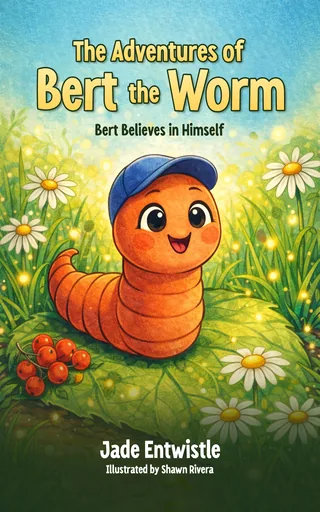 The Adventures of Bert the WormJade Entwistle
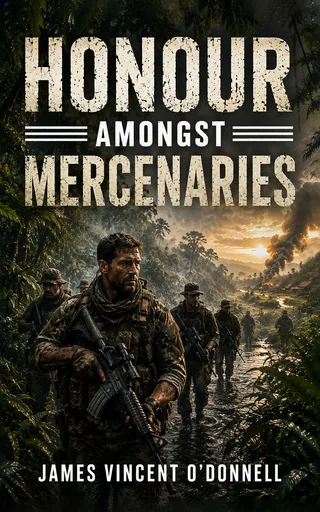 Honour Amongst MercenariesJames Vincent O'Donnell
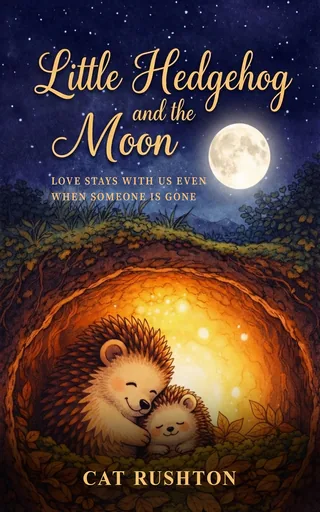 Little Hedgehog and the MoonCat Rushton
 The Fathers in my LifeLouise Wynne Jones
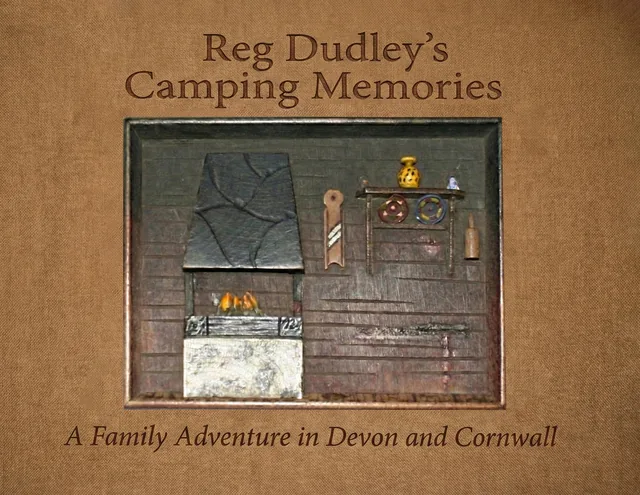
 Reg Dudley's Camping Memories
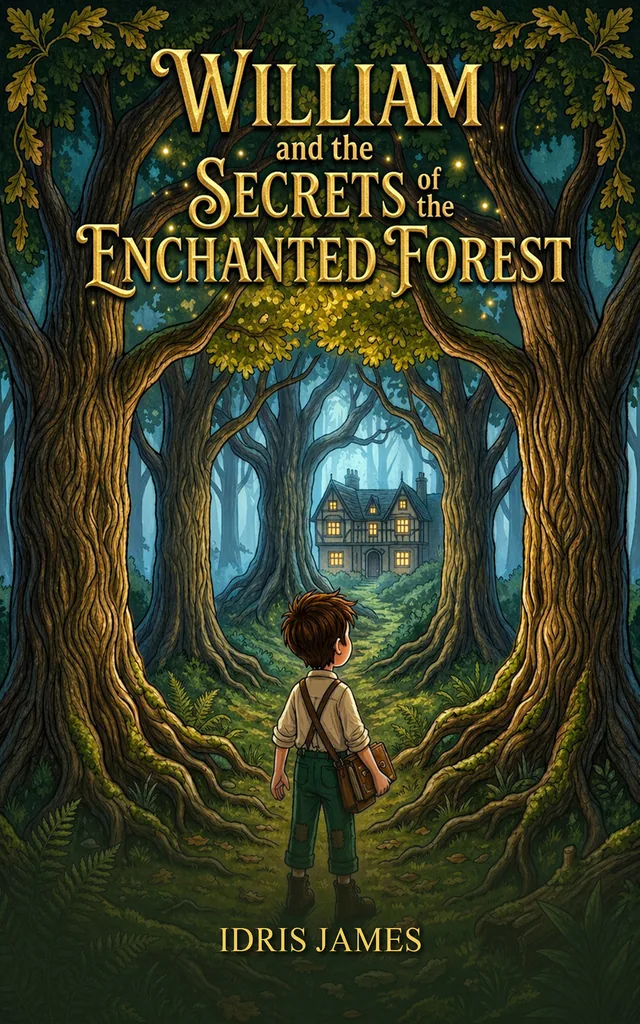
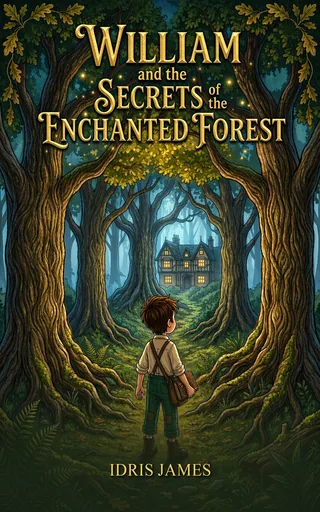 William and the Secrets of the Enchanted ForestIdris James
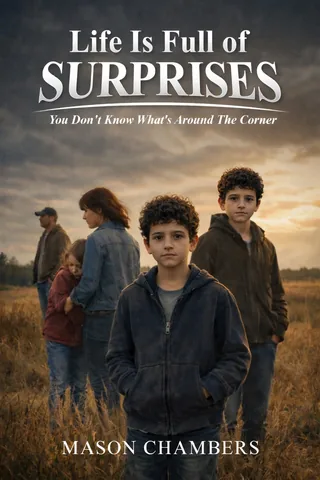 Life Is Full of SurprisesMason Chambers
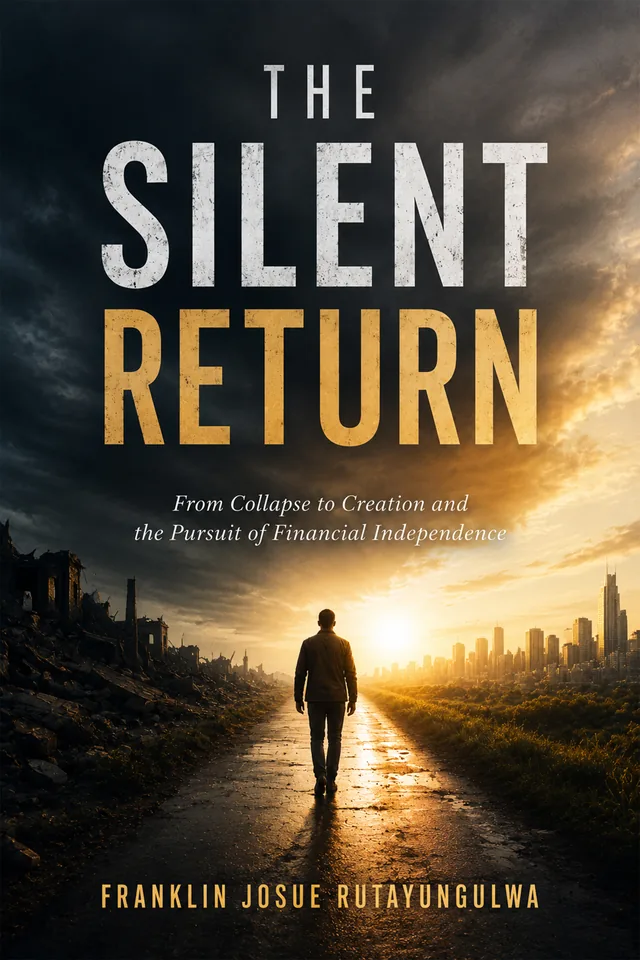
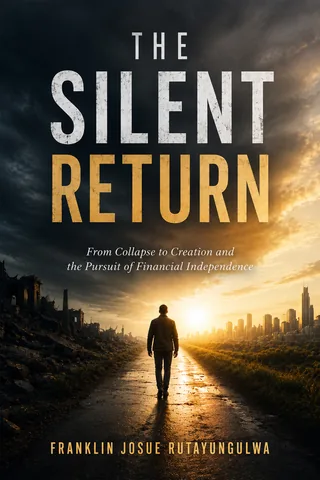 The Silent ReturnFranklin Josue Rutayungulwa
How to spend
on this.
Marketing a book is not one purchase, and treating it as one is the expensive mistake. There are three kinds of spend here and they behave completely differently.
Assets you keep
A website, a trailer, a press release, an author photograph, a set of A+ modules. Paid for once and used for years, in every campaign, on every platform. If the budget is tight this is where it goes first, because everything else works better once these exist.
Ground you hold
Author Central, Goodreads, a mailing list, a Substack, published articles. Mostly labour rather than spend, slow, and the only part that compounds.
Attention you rent
Ads and promotions. You pay, people see the book, and when you stop paying that stops. Useful — after the first two, not before.
The order almost everybody gets wrong
Assets, then ground, then attention. Most authors buy ads first, see nothing happen, and conclude that book marketing does not work. It was the sequence, not the marketing.

Tell us about
the book.
What it is, where it is on sale, and what you have already tried. Somebody who does this for a living writes back within one business day.
Marketing
questions.
No, and you should not. They are separate for a reason. Tell us the book and the budget and we will tell you which two or three would actually move it.
No, and anybody who says otherwise is selling you the confidence rather than the work. Marketing gets the book seen. Whether it sells depends on the book, the cover, the price and the category.
Usually yes. Send us the title and we will look at the listing first, because that is often the cheapest thing to fix.
The domain, the source files, the artwork, the mailing list and the coverage links. All of it, in your name.
What is the book, and who is it for?
Those two answers decide which of these is worth your money. A call is the fastest way to work it out, and a person answers.
Authors, filmed
talking about their books.
Video is the only thing a feed reliably shows to strangers. These are our authors, in their own words — the same 9:16 format the platforms reward, and the most persuasive asset any author has.
David SummervilleAuthor of Bipolar Sunset